
iPhone

Compare models
Differences at a glance
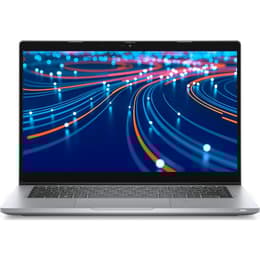
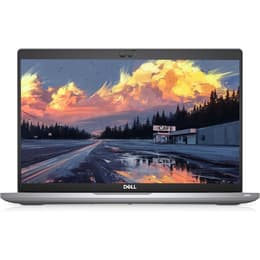
The Dell Latitude 5320 13 and Dell Latitude 5420 14 are business-oriented laptops released in 2021, designed to offer reliable performance and robust features for professionals. While both models share a common foundation in Dell's Latitude series, they differentiate themselves primarily through their screen size and portability, catering to slightly different user preferences. Both devices operate on the Windows operating system, providing a familiar and consistent software experience for business users.
Storage
Processor
Memory
When considering the long-term viability of these laptops, several factors come into play, including their release timeline, software support, and physical construction.
Year of Release
Last Os Compatibility
OS
Both the Dell Latitude 5320 13 and 5420 14 are equipped with 11th Generation Intel Core processors, providing a solid foundation for business and productivity tasks.
Graphic card
The visual experience on these laptops is tailored for productivity, with differences primarily in size and specific panel characteristics.
Resolution
Screen type
For communication and multimedia, both Latitude models provide functional camera and audio capabilities suitable for business use.
Beyond core performance and display, these laptops offer a range of practical features that enhance their usability in a professional setting.
Weight
Screen size
The Dell Latitude 5320 13 and Dell Latitude 5420 14 are both capable business laptops, each with distinct advantages that cater to different user needs. User feedback often highlights the portability of the 5320 as a significant benefit, making it a preferred choice for those who frequently travel or work in various locations. Its compact form factor is generally praised for ease of carrying. However, some users have noted concerns regarding the build quality, specifically some flex in the chassis.
The Latitude 5420, with its larger 14-inch display, is frequently appreciated for providing a more expansive viewing area for productivity tasks. Its robust construction is often cited as a positive, suggesting good durability for daily office use. A common criticism, however, revolves around its clickpad, with some users finding the feedback less satisfying compared to traditional trackpads with physical buttons.
Users prioritizing maximum portability and a smaller footprint will find the Latitude 5320 well-suited to their needs. It is an excellent option for students or professionals who value a lightweight device for on-the-go work. Conversely, users who prefer a larger screen for multitasking and a potentially more robust, albeit slightly heavier, build will likely lean towards the Latitude 5420. This model is ideal for those who spend more time at a desk but still require a capable and reliable machine.
For those seeking a sustainable choice, both models are available as quality-assured refurbished options, offering an eco-friendly alternative to purchasing new devices.