
iPhone

Compare models
Differences at a glance
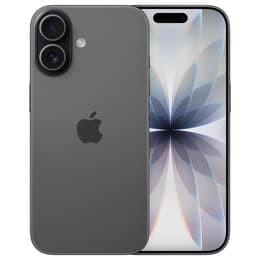
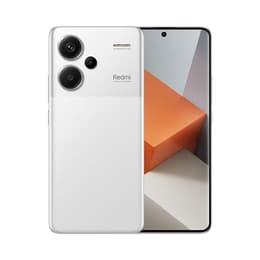
The iPhone 17, released in late 2025, represents Apple's latest iteration of its flagship smartphone, building on a foundation of premium design and a robust ecosystem. In contrast, the Xiaomi Redmi Note 13 Pro Plus, launched in late 2023, positions itself as a feature-rich Android device. While both offer advanced smartphone experiences, the iPhone 17 focuses on refined performance and deep software integration, whereas the Redmi Note 13 Pro Plus emphasizes high-end specifications within the Android framework.
Colour
Storage
When considering the long-term usability of these devices, their release timelines and software support are key factors. The iPhone 17, being a more recent release, benefits from Apple's extended software update policy, typically receiving major iOS updates for five to six years from its launch. This ensures access to the latest features and security patches for a prolonged period.
Year of Release
Compatible with latest Update
OS
Foldable
The performance of a smartphone is crucial for daily tasks, from browsing to demanding applications. Both the iPhone 17 and the Xiaomi Redmi Note 13 Pro Plus are designed to deliver smooth and responsive experiences, though they achieve this through different hardware and software optimizations.
The display is a primary interface for any smartphone, and both the iPhone 17 and the Xiaomi Redmi Note 13 Pro Plus offer high-quality viewing experiences with distinct characteristics.
Resolution
Screen type
Camera capabilities are a significant consideration for many users, and both the iPhone 17 and the Xiaomi Redmi Note 13 Pro Plus offer advanced photographic systems, each with its own strengths.
Main camera
Front camera
Beyond the core features, several practical elements contribute to the overall user experience and differentiate these two smartphones.
Weight
Screen size (in)
Network
SIM card
Carrier compatibility
The iPhone 17 and the Xiaomi Redmi Note 13 Pro Plus cater to different user preferences, each excelling in various aspects. Users often praise the iPhone 17 for its seamless software experience, long-term software support, and consistent camera performance. Its robust ecosystem and integration with other Apple devices are frequently highlighted as significant advantages. Some common feedback for the iPhone line includes its premium build and strong resale value.
Conversely, the Xiaomi Redmi Note 13 Pro Plus receives commendation for its vibrant AMOLED display, rapid 120W fast charging, and the high-resolution 200-megapixel main camera. Users appreciate its generous RAM and storage options, as well as its IP68 rating for durability. However, some criticisms have been noted regarding the presence of pre-installed software (bloatware) and the less consistent performance of its secondary cameras. The fact that it launched with an older Android version has also been a point of discussion among users.
Users prioritizing a highly integrated ecosystem, extended software longevity, and a consistently refined user experience may find the iPhone 17 well-suited to their needs. Its focus on computational photography and a powerful, efficient processor makes it a strong contender for those who value smooth performance and advanced features. On the other hand, users who prioritize a large, high-refresh-rate display, exceptionally fast charging speeds, and a high-megapixel main camera, along with more customizable software, may lean toward the Xiaomi Redmi Note 13 Pro Plus. This device offers a compelling package of hardware specifications for those seeking a feature-rich Android experience.
For those considering either of these devices, exploring quality-assured refurbished options can be an eco-friendly alternative, providing access to advanced technology while supporting sustainable consumption.