
iPhone

Compare models
Differences at a glance
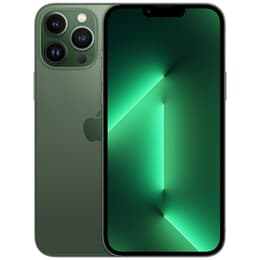
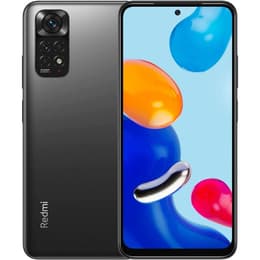
The iPhone 13 Pro, released in September 2021, and the Xiaomi Redmi Note 11, launched in January 2022, are smartphones that cater to different user priorities. While both devices offer modern smartphone experiences, they diverge significantly in their underlying operating systems and hardware philosophies. The iPhone 13 Pro operates on Apple's iOS, known for its integrated ecosystem, whereas the Redmi Note 11 runs on Android with Xiaomi's MIUI overlay, offering a more customizable experience. This comparison will explore their practical differences to help users make an informed decision.
Colour
Storage
The longevity of a smartphone is influenced by its release timeline, software support, and physical durability. These two devices present different expectations in terms of their practical lifespan.
Year of Release
Compatible with latest Update
OS
Foldable
Performance in smartphones is about how smoothly tasks are executed, from launching applications to handling demanding games and multitasking. Both devices approach performance with different hardware configurations.
The display is a primary interface for smartphone interaction, and both devices offer distinct visual experiences through their screen technologies and specifications.
Resolution
Screen type
Camera capabilities are a significant factor for many smartphone users, and both the iPhone 13 Pro and Redmi Note 11 offer different photographic strengths.
Main camera
Front camera
Beyond core performance and display, several practical features and design elements contribute to the overall user experience of these smartphones.
Weight
Screen size (in)
Network
SIM card
Carrier compatibility
Connector
The iPhone 13 Pro and Xiaomi Redmi Note 11 cater to distinct user needs and preferences, reflecting their different design philosophies and target markets. User feedback for the iPhone 13 Pro frequently praises its exceptional camera system, particularly its low-light capabilities and video features like Cinematic mode. The vibrant and adaptive 120Hz ProMotion display is also a common highlight, alongside its robust performance for demanding applications and overall software fluidity. Some users note its weight and the continued use of the Lightning port as points of consideration.
For the Xiaomi Redmi Note 11, common praise points include its bright AMOLED display with a 90Hz refresh rate, which offers a smooth visual experience for its category. Its long-lasting 5000mAh battery and 33W fast charging capabilities are also frequently appreciated by users who prioritize extended usage without frequent recharges. Criticisms often revolve around its camera performance in challenging lighting conditions, the absence of 5G connectivity, and the relatively shorter software update support compared to some competitors.
Users prioritizing a highly integrated ecosystem, advanced camera features, sustained software longevity, and a premium, compact build may find the iPhone 13 Pro to be a suitable choice. Conversely, users who value a large, vibrant display, extended battery life with fast charging, expandable storage, and a 3.5mm headphone jack, and who are comfortable with a shorter software support window, may lean towards the Redmi Note 11. Both devices, when considered as quality-assured refurbished options, offer an eco-friendly alternative for consumers looking to make sustainable choices.