

Compare models
iPhone 17 Vs Xiaomi Redmi Note 13 4G
- 1-year minimum warranty
- Free delivery on all orders
- Free 30-day returns
Differences at a glance
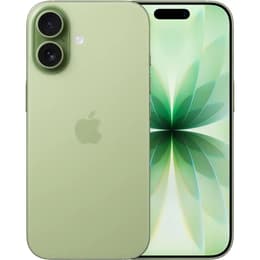
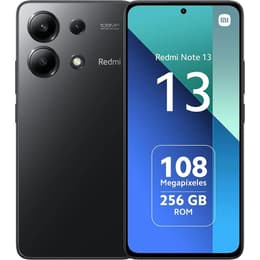
The Apple iPhone 17 (2025) and the Xiaomi Redmi Note 13 4G (2024) cater to completely different segments of the smartphone market, representing distinct operating systems, design philosophies, and feature sets. While the iPhone 17 operates on iOS and targets flagship-tier functionality, the Redmi Note 13 4G runs on Android and focuses on delivering core everyday essentials. Choosing between them depends entirely on personal software preferences and intended daily tasks.
Available Models
Colour
Storage (GB)
Scores
Durability
When examining longevity and durability, both devices handle software updates and build resilience differently based on their market positioning and release timeline.
- Software Support: The iPhone 17 benefits from extended operating system upgrades typical of flagship tier devices, whereas the Xiaomi Redmi Note 13 4G receives a more standard multi-year update cycle suited to its class.
- Build and Repairability: The iPhone 17 features robust glass protection and advanced water resistance ratings, while the Redmi Note 13 4G utilizes durable plastics and standard glass protection with reliable everyday build quality.
- Expected Lifespan: Both smartphones maintain steady daily operation over several years, though high-end internal components allow the iPhone 17 to retain heavy multitasking capability further into the future.
Year of Release
2025
2024
Compatible with latest Update
Yes
Yes
OS
iOS
Android
Foldable
No
No
Performance
Internal hardware configurations dictate how each device manages daily applications, multitasking demands, and energy efficiency during continuous use.
- App Responsiveness: The iPhone 17 handles demanding 3D games and resource-heavy software smoothly with immediate load times, while the Xiaomi Redmi Note 13 4G manages standard messaging, web browsing, and casual apps reliably.
- Multitasking and Memory: Generous system memory on the iPhone 17 permits seamless background app switching, whereas the Redmi Note 13 4G handles everyday multitasking adequately for standard users.
- Battery Behavior: Both models sustain a full day of typical mixed usage, though charging speeds and battery capacity profiles vary according to their internal hardware designs.
Screen quality
Display configurations shape media consumption, outdoor visibility, and overall visual comfort across both smartphones.
- Display Technology: Both devices employ vibrant panel technology that delivers sharp text and deep contrast, though the iPhone 17 adds high-tier refresh rate adaptation for smoother scrolling.
- Outdoor Brightness: High peak brightness levels on the iPhone 17 ensure clear visibility under direct sunlight, while the Redmi Note 13 4G remains legible during normal daylight conditions.
- Viewing Experience: Generous screen dimensions on both models provide immersive viewing areas for streaming video, reading articles, and browsing photo galleries.
Resolution
2622x1206
1080 x 2400
Screen type
Super Retina XDR
AMOLED
Audiovisual
Imaging hardware and audio outputs differ significantly, influencing how each device captures memories and reproduces sound.
- Camera Systems: The iPhone 17 utilizes advanced multi-lens configurations equipped with high-resolution sensors for detailed low-light photography, whereas the Redmi Note 13 4G features a high-megapixel main sensor suited for well-lit outdoor scenes.
- Video Recording: Advanced stabilization and processing power allow the iPhone 17 to record smooth, professional-grade video clips, while the Redmi Note 13 4G handles casual video capture adequately.
- Media and Audio: Stereo speaker setups on both smartphones deliver clear audio output for hands-free calls and casual media playback.
Main camera
48 megapixels
108 megapixels
Front camera
18 megapixels
16 megapixels
Miscellaneous
Practical daily features such as connectivity standards, physical dimensions, and security sensors define the ergonomic experience of each phone.
- Connectivity Standards: The iPhone 17 supports advanced wireless protocols including modern Wi-Fi and 5G networks, whereas the Redmi Note 13 4G focuses on 4G network connectivity alongside standard wireless options.
- Physical Design: Ergonomic dimensions and balanced weight distribution make both devices comfortable to hold during extended phone calls or web browsing sessions.
- Security Sensors: Biometric authentication relies on facial recognition for the iPhone 17, while the Redmi Note 13 4G incorporates a convenient side-mounted fingerprint sensor.
Weight
177 g
175 g
Screen size (in)
6.3
6.67
Network
5G
4G
SIM card
eSIM
Dual Physical SIM
Carrier compatibility
Unlocked
Unlocked
Connector
USB-C
USB-C
What the community thinks
Users prioritizing high-end photography, advanced processing power, and long-term software support often find the iPhone 17 well-suited to their requirements. Conversely, users seeking a straightforward, reliable device for messaging, media streaming, and everyday tasks frequently lean toward the Xiaomi Redmi Note 13 4G. Evaluating personal daily habits remains the most effective way to determine which feature set fits best.
For consumers exploring sustainable alternatives, choosing a quality-assured refurbished option from Back Market provides an eco-friendly way to acquire fully tested technology without compromising on performance or reliability.