

Compare models
iPhone 17 Vs Xiaomi 12T
- 1-year minimum warranty
- Free delivery on all orders
- Free 30-day returns
Differences at a glance
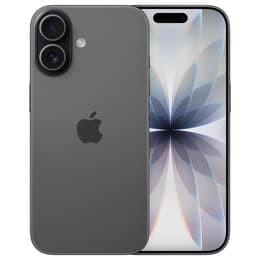
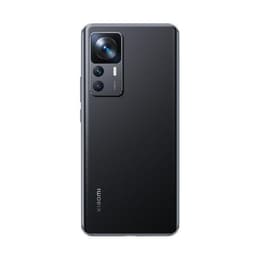
The iPhone 17, a flagship smartphone from Apple, was released in September 2025, bringing with it the latest advancements in mobile technology and the iOS ecosystem. In contrast, the Xiaomi 12T, an Android device, launched in October 2022, offering a compelling set of features within its segment. These devices cater to different user preferences, primarily distinguished by their operating systems and their respective release timelines.
Available Models
Colour
Storage (GB)
Scores
Durability
When considering the long-term viability of a smartphone, factors like software support and physical durability play a significant role.
- Release Timeline and Software Support: The iPhone 17, being a more recent release (September 2025), benefits from Apple's extended software support policy, typically receiving major iOS updates for approximately five to seven years, with security updates often extending even longer. This suggests an expected software longevity well into the early 2030s. The Xiaomi 12T, released in October 2022, runs on Android and typically receives major OS updates for about three to four years, followed by security updates for a similar period, meaning its primary software support cycle will conclude sooner than the iPhone 17's.
- Physical Durability: The iPhone 17 is expected to feature enhanced durability, including Ceramic Shield 2 for improved scratch resistance. While specific repairability scores for the iPhone 17 are not yet widely available, Apple generally maintains a consistent approach to device construction. The Xiaomi 12T features Corning Gorilla Glass 5 for screen protection, offering a good level of resistance against everyday wear and tear.
- Expected Practical Lifespan: Users prioritizing the longest possible access to the latest software features and security patches will find the iPhone 17's extended support advantageous. The Xiaomi 12T, while robust, will likely see its official software support end earlier, which might influence its practical lifespan for users who always seek the newest OS functionalities.
Year of Release
2025
2022
Compatible with latest Update
Yes
Yes
OS
iOS
Android
Foldable
No
No
Performance
The performance of a smartphone is crucial for daily tasks, from navigating applications to engaging in demanding multimedia activities.
- Processor Capabilities: The iPhone 17 is equipped with Apple's latest-generation processor, designed to deliver exceptional speed and efficiency. This translates to very fluid app loading, seamless multitasking, and a highly responsive experience even with graphically intensive games and professional applications. The Xiaomi 12T is powered by a capable processor that handles everyday applications and moderate gaming smoothly. Users will find it responsive for general use and capable of managing multiple apps concurrently without significant slowdowns.
- Storage Options: Both devices offer various internal storage configurations to suit different user needs. The iPhone 17 is expected to start with a generous base storage, with higher options available for users who require more space for apps, photos, and videos. The Xiaomi 12T comes with options for 128GB or 256GB of internal storage, providing ample room for most users' digital content.
- Battery Behavior: The iPhone 17 is rumored to feature battery enhancements, potentially including a larger capacity and improved power management for extended usage. The Xiaomi 12T includes a 5000mAh battery, which, combined with its efficient processor, generally provides a full day of use for many users, with some reporting up to 10-12 hours of screen-on time under specific conditions.
Screen quality
The display is a primary interface for smartphone interaction, and both devices offer distinct viewing experiences.
- Display Technology and Clarity: The iPhone 17 features an upgraded Super Retina XDR OLED display, known for its deep blacks, vibrant colors, and high contrast. Its resolution of 2622x1206 pixels provides sharp and detailed visuals. The Xiaomi 12T utilizes an AMOLED display with a resolution of 2712x1220 pixels, offering clear and vivid imagery suitable for media consumption and daily tasks.
- Refresh Rate and Smoothness: The iPhone 17 introduces ProMotion display technology, offering an adaptive refresh rate of up to 120Hz, which results in exceptionally smooth scrolling and fluid animations. The Xiaomi 12T also boasts a 120Hz refresh rate, contributing to a smooth visual experience, particularly noticeable during scrolling and gaming.
- Brightness and Viewing Experience: Both displays offer good brightness levels. The iPhone 17's display is expected to provide excellent visibility in various lighting conditions, including bright outdoor environments, and includes an Always-On display feature. The Xiaomi 12T's display has a typical brightness of 500 cd/m² and a peak brightness of 900 cd/m², ensuring good readability outdoors.
Resolution
2622x1206
1220 x 2712
Screen type
Super Retina XDR
AMOLED
Audiovisual
Camera capabilities are a significant consideration for many users, and both smartphones offer advanced photographic and videographic features.
- Camera System Capabilities: The iPhone 17 is expected to feature a significantly upgraded camera system, including a 48MP main camera with optical-quality 2x Telephoto and a 48MP Ultra Wide camera. The front-facing camera is also anticipated to be enhanced. The Xiaomi 12T is equipped with a triple camera setup, featuring a 108MP main sensor, an 8MP ultrawide lens, and a 2MP macro lens. Its front camera is 20MP.
- Photography Performance: The iPhone 17's camera system is designed for advanced computational photography, excelling in various conditions, including low light, and offering detailed and color-accurate images. The Xiaomi 12T's 108MP main camera is capable of capturing vibrant and detailed shots, particularly in well-lit environments. Its low-light performance is generally good, though some users report needing multiple attempts to achieve desired results.
- Video Recording and Audio: The iPhone 17 is expected to offer high-quality video recording with advanced stabilization and cinematic features, along with clear microphone audio for calls and recordings. The Xiaomi 12T can record video at up to 4K@30fps and features dual speakers with Dolby Atmos, providing a good audio experience for media consumption.
Main camera
48 megapixels
108 megapixels
Front camera
18 megapixels
20 megapixels
Miscellaneous
Beyond core features, several practical elements contribute to the overall user experience of these devices.
- Connectivity and Ports: The iPhone 17 is expected to support the latest Wi-Fi standards and 5G connectivity, and will likely feature a USB-C port. The Xiaomi 12T supports 5G, Wi-Fi 6, and Bluetooth 5.3, ensuring modern wireless connectivity. It also includes a USB-C port for charging and data transfer.
- Biometric Security: The iPhone 17 continues to rely on Face ID for secure facial recognition. The Xiaomi 12T offers an in-display fingerprint sensor for convenient and secure unlocking.
- Design and Handling: The iPhone 17 is rumored to feature a refined design with potentially slimmer bezels and a larger display while maintaining a premium build. The Xiaomi 12T has a glass back with a frosted matte finish and curved edges, providing a comfortable in-hand feel. It weighs 202g and has dimensions of 163.1mm x 75.9mm x 8.6mm.
Weight
177 g
220 g
Screen size (in)
6.3
6.67
Network
5G
5G
SIM card
Dual Physical SIM
Dual Physical SIM
Carrier compatibility
Unlocked
Unlocked
Connector
USB-C
USB-C
What the community thinks
The iPhone 17 and Xiaomi 12T offer distinct experiences tailored to different user priorities. The iPhone 17, as Apple's latest flagship, is praised for its expected long-term software support, advanced processor, and highly capable camera system. Users often appreciate the seamless integration within the Apple ecosystem and the consistent performance across applications. Criticisms, if any, typically revolve around the incremental nature of some upgrades compared to its immediate predecessors.
The Xiaomi 12T is frequently lauded by users for its vibrant AMOLED display, fast 120W charging, and a main camera that performs well in many scenarios. Its battery life is also a common positive, with many finding it sufficient for a full day's use. Some users, however, have noted that the secondary cameras are less impressive than the main sensor, and the software experience (MIUI over Android) can be a point of contention for those preferring a more stock Android interface.
Users prioritizing the absolute latest in mobile technology, extended software longevity, and a highly integrated ecosystem will find the iPhone 17 well-suited to their needs. Its expected performance and camera advancements make it ideal for demanding tasks and high-quality content creation. Conversely, users who value a strong balance of display quality, rapid charging, and solid everyday performance within the Android ecosystem may lean toward the Xiaomi 12T. It offers a compelling package for general use and media consumption.
For those considering either device, exploring quality-assured refurbished options can provide an eco-friendly alternative, allowing access to these technologies while making a sustainable choice.