


Compare models
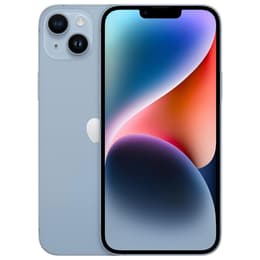
iPhone 14 Plus Vs iPhone 17 Pro Max
- 1-year minimum warranty
- Free delivery on all orders
- Free 30-day returns
Differences at a glance
The iPhone 14 Plus (2022) and iPhone 17 Pro Max (2025) represent two distinct eras of large-screen smartphones from Apple, separated by three years of hardware evolution. While both devices cater to users who prefer expansive screen real estate, the iPhone 17 Pro Max introduces advanced processing power, an updated camera configuration, and modern port standards that differentiate it significantly from the iPhone 14 Plus. Both smartphones run on Apple's operating system environment, ensuring familiar navigation, though hardware capabilities across generations shape distinct user experiences.
Available Models
Colour
Storage (GB)
Scores
Durability
When evaluating structural longevity and software support, these two models occupy very different timelines due to their respective release years.
- Software update timeline: The iPhone 17 Pro Max benefits from a later release date, securing several additional years of official operating system updates compared to the iPhone 14 Plus.
- Repairability and build: Both models incorporate durable outer shells and robust water-resistance ratings, though newer generations feature refined internal architectures designed for easier component replacement.
- Expected lifespan: Users can anticipate many years of reliable daily operation from either device, with the newer model offering extended future readiness for demanding software updates.
Year of Release
2022
2025
Compatible with latest Update
Yes
Yes
OS
iOS
iOS
Foldable
No
No
Performance
Daily responsiveness, multitasking capabilities, and battery endurance vary noticeably based on the internal hardware found in each generation.
- Multitasking and app execution: The iPhone 17 Pro Max handles demanding applications, heavy multitasking, and complex mobile games with noticeable fluidity, whereas the iPhone 14 Plus manages everyday communication, web browsing, and casual apps reliably.
- Storage configurations: The iPhone 17 Pro Max provides much higher maximum storage tiers to accommodate large media libraries, while the iPhone 14 Plus caters to standard storage requirements.
- Battery behavior: Both devices deliver dependable battery life that comfortably lasts through a full day of typical mixed usage, though modern power management optimizations in the newer model enhance energy efficiency under heavy loads.
Screen quality
Both smartphones feature large, high-resolution displays, but technological refinements in the newer release enhance viewing clarity and outdoor usability.
- Display technology: The iPhone 17 Pro Max utilizes an advanced adaptive refresh rate panel that scales smoothly during scrolling, while the iPhone 14 Plus employs a standard fixed refresh rate screen.
- Outdoor visibility: Higher peak brightness capabilities on the iPhone 17 Pro Max ensure text and images remain easily legible under direct sunlight.
- Viewing immersion: Both devices offer vibrant color reproduction and deep contrast levels, making them well-suited for watching videos and browsing media.
Resolution
1284 x 2778
2868x1320
Screen type
Super Retina XDR OLED
Super Retina XDR
Audiovisual
Photography, video recording, and audio output capabilities reflect generational advancements in sensor technology and internal acoustics.
- Camera versatility: The iPhone 17 Pro Max features a triple-lens setup with extended optical zoom range, whereas the iPhone 14 Plus relies on a dual-lens system suited for standard wide and ultra-wide shots.
- Low-light performance: Updated sensors on the newer model capture greater detail and clarity in dim environments without requiring extended exposure times.
- Media consumption: Built-in stereo speakers on both devices deliver clear sound for calls and casual video playback, with the newer model offering improved dynamic range.
Main camera
12 megapixels
48 megapixels
Front camera
12 megapixels
18 megapixels
Miscellaneous
Practical daily usability is shaped by physical dimensions, connectivity standards, and hardware interface choices.
- Port standards: The iPhone 17 Pro Max adopts the universal USB-C connector for charging and data transfer, while the iPhone 14 Plus utilizes Apple's traditional Lightning port.
- Physical handling: Despite sharing large screen formats, variations in weight and edge contours influence how each device rests in the hand during extended use.
- Connectivity options: Both models support modern cellular networks and fast wireless communication protocols for stable internet access on the go.
Weight
203 g
233 g
Screen size (in)
6.7
6.9
Network
5G
5G
SIM card
Physical SIM + eSIM
eSIM
Carrier compatibility
Unlocked
Unlocked
Connector
Lightning
USB-C
What the community thinks
User feedback from online communities highlights distinct preferences for each device based on everyday needs. Owners of the iPhone 14 Plus frequently praise its dependable battery life and lightweight feel for a large-format phone, though some note the limitations of the older charging port and standard screen refresh rate. Conversely, users of the iPhone 17 Pro Max often commend its expansive display smoothness and versatile zoom capabilities, while occasionally mentioning its heavier physical footprint in daily carry.
Users prioritizing streamlined media consumption, comfortable handling, and reliable core functions will find the iPhone 14 Plus well-suited to their daily routines. Meanwhile, users prioritizing advanced photographic reach, maximum processing headroom, and modern connection standards may lean toward the iPhone 17 Pro Max. For consumers exploring sustainable options, choosing a quality-assured refurbished device represents an eco-friendly alternative that extends product lifecycles without compromising on reliability.