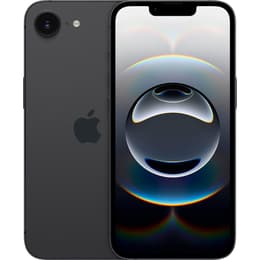
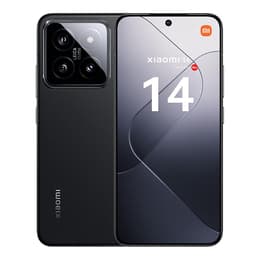


iPhone 16e Vs Xiaomi 14

iPhone 16e
iPhone 16e
Starting at

Refurbished price:387.00

Versus €719.00 new

See options
Xiaomi 14
Xiaomi 14
Starting at

Refurbished price:384.00

Versus €1,099.00 new

See options

Ratings

The iPhone 16E, released in February 2025, and the Xiaomi 14, launched globally in early 2024, represent distinct approaches to the modern smartphone experience. While both are designed to offer robust performance and advanced features, they cater to different user preferences through their operating systems and hardware philosophies. The iPhone 16E integrates Apple's ecosystem with a focus on streamlined user experience and AI capabilities, whereas the Xiaomi 14 emphasizes high-end specifications and a versatile camera system within the Android framework.

Scores

Durability

Evaluating the practical lifespan of a smartphone involves considering its physical resilience and the duration of software support it receives.

  • Release Timeline: The Xiaomi 14 was released globally in early 2024, following its China launch in late 2023. The iPhone 16E was introduced in February 2025. This difference means the iPhone 16E benefits from a more recent hardware foundation and a longer potential support window from its release date.
  • Software Longevity: Xiaomi has committed to providing four major Android updates and six years of security updates for its flagship devices, including the Xiaomi 14, extending support until 2029. Apple typically offers 5-6 years of major iOS updates for its devices, suggesting the iPhone 16E will receive software support well into the future, likely surpassing the Xiaomi 14's update timeline due to its later release.
  • Durability Features: Both devices feature an IP68 rating for dust and water resistance, indicating protection against immersion in water up to 1.5 meters for 30 minutes. The iPhone 16E incorporates a Ceramic Shield front cover, which Apple states is tougher than typical smartphone glass. The Xiaomi 14 uses Gorilla Glass Victus for screen protection.

Year of Release

2025

2023

OS

iOS

Android

Foldable

No

No

Performance

Both the iPhone 16E and the Xiaomi 14 are equipped with powerful internal components designed for demanding applications and smooth daily operation.

  • Processing Power: The iPhone 16E is powered by the A18 chip, which is also found in the standard iPhone 16, offering efficient and fast performance for various tasks, including those leveraging Apple Intelligence features. The Xiaomi 14 features a current-generation Snapdragon processor, enabling smooth multitasking, efficient handling of demanding applications, and a fluid gaming experience.
  • System Responsiveness: Users of the Xiaomi 14 generally report a fast and fluid experience across various applications, with smooth multitasking capabilities. The iPhone 16E, with its optimized software and powerful chip, is expected to deliver a highly responsive user experience, particularly with its integration of Apple Intelligence.
  • Battery Behavior: The iPhone 16E is noted for having the longest battery life ever on a 6.1-inch iPhone, capable of up to 26 hours of offline video playback, representing a significant improvement over previous models. The Xiaomi 14, with its 4610 mAh battery, offers approximately 1.5 days (43 hours) of usage with moderate to heavy use, and supports rapid wired and wireless charging.

Memory (GB)

8 GB

16 GB

Screen quality

The visual experience on both devices is delivered through high-quality displays, though with some differences in their specifications and characteristics.

  • Display Technology and Clarity: Both smartphones feature OLED displays, known for deep blacks and vibrant colors. The iPhone 16E has a 6.1-inch Super Retina XDR OLED display with a resolution of 2532 x 1170 pixels and 460 pixels per inch (PPI). The Xiaomi 14 sports a 6.36-inch LTPO OLED display with a resolution of 2670 x 1200 pixels and 460 PPI, offering sharp details.
  • Brightness and Outdoor Visibility: The iPhone 16E's display offers 800 nits of typical maximum brightness and up to 1200 nits of peak brightness for HDR content. The Xiaomi 14 boasts a peak brightness of 3000 nits, making it highly legible even in direct sunlight.
  • Refresh Rate and Smoothness: The Xiaomi 14 features an adaptive refresh rate that can dynamically adjust from 1Hz to 120Hz, contributing to smoother scrolling and animations while conserving battery life. The iPhone 16E's display is a standard OLED panel, and while highly responsive, it does not feature the adaptive 120Hz ProMotion technology found in Apple's Pro models.

Resolution

2532x1170

1200 x 2670

Audiovisual

Both devices offer advanced camera systems, each with unique strengths for capturing photos and videos.

  • Rear Camera System: The iPhone 16E features a single 48MP Fusion camera on the back, which includes optical zoom capabilities at 1x and 2x, and supports Night mode and Portrait mode. The Xiaomi 14 is equipped with a triple 50MP rear camera system, developed in collaboration with Leica, comprising a main camera with optical image stabilization, an ultra-wide lens, and a telephoto lens with 3.2x optical zoom.
  • Photography Performance: The Xiaomi 14's Leica-tuned cameras are praised for delivering impressive performance across various lighting conditions, with users reporting good detail and consistent color. The iPhone 16E's 48MP camera is noted for its capability to capture detailed images and industry-leading video quality, even with a single lens.
  • Video Recording and Front Camera: The Xiaomi 14 supports video recording up to 8K resolution at 24 frames per second and features a 32MP front-facing camera. The iPhone 16E's rear camera supports 4K video recording, and its 12MP TrueDepth front camera is capable of 4K video at various frame rates.

Front camera

TrueDepth 12MP

32 megapixels

Miscellaneous

Beyond core performance and display, several practical elements contribute to the overall user experience of these smartphones.

  • Connectivity and Ports: Both devices support 5G connectivity for fast mobile data. The iPhone 16E features an Apple C1 5G modem, though it does not support mmWave 5G. The Xiaomi 14 supports Wi-Fi 7 and Bluetooth 5.4, offering advanced wireless connectivity. The iPhone 16E has transitioned to a USB-C port, aligning with current industry standards. The Xiaomi 14 also uses a USB-C port.
  • Biometric Security: The iPhone 16E relies on Face ID for secure facial recognition. The Xiaomi 14 incorporates an under-display optical fingerprint sensor for biometric authentication.
  • Design and Handling: The iPhone 16E features an aluminum frame and a glass back, with a design similar to the iPhone 14. The Xiaomi 14 is noted for its compact size for a flagship, with dimensions of 152.8 x 71.5 x 8.2 mm and a weight of 193g, making it comfortable for one-handed use.

Weight

167 g

188 g

Screen size (in)

6.1

6.36

Network

5G

5G

SIM card

eSIM

Dual Physical SIM

Carrier compatibility

Unlocked

Unlocked

The iPhone 16E and Xiaomi 14 each present a compelling package, tailored to different user priorities. The iPhone 16E is often praised for its seamless integration within the Apple ecosystem, its robust software support, and its strong performance driven by the A18 chip. Users appreciate its extended battery life for a compact device and the consistent quality of its camera system, particularly for video. Some common criticisms from users of similar iPhone models might include the lack of an ultra-wide camera compared to some competitors and the absence of a high refresh rate display on the base model.

The Xiaomi 14 receives frequent commendation for its vibrant LTPO OLED display with a high refresh rate, its versatile Leica-tuned triple camera system, and its rapid charging capabilities. Many users highlight its powerful processor and its relatively compact form factor for a flagship Android device. However, some user feedback points to occasional software glitches within HyperOS and the presence of pre-installed applications, though ads can often be disabled.

Users prioritizing a long-term software commitment, a streamlined operating system with strong AI integration, and a consistent, high-quality camera experience, especially for video, may find the iPhone 16E well-suited to their needs. Conversely, those who value a highly customizable Android experience, a display with an adaptive high refresh rate, a versatile camera system with strong optical zoom, and exceptionally fast charging might lean toward the Xiaomi 14. Both devices offer a quality-assured refurbished option, providing an eco-friendly alternative for consumers seeking advanced technology with a reduced environmental impact.

See all articles

Our recent comparisons






