
iPhone 16 Pro Vs Xiaomi 14

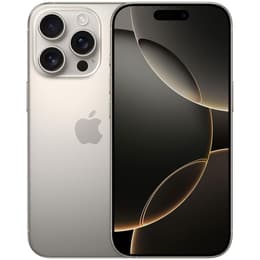
iPhone 16 Pro
iPhone 16 Pro
Starting at

Refurbished price:646.00

Versus €1,239.00 new

See options
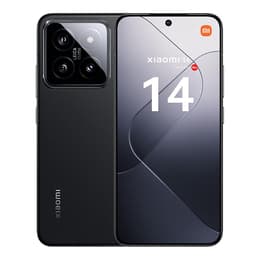
Xiaomi 14
Xiaomi 14
Starting at

Refurbished price:384.00

Versus €1,099.00 new

See options

Ratings

The iPhone 16 Pro (released in September 2024) and the Xiaomi 14 (globally released in February 2024) are both advanced smartphones offering high-end features. While the iPhone 16 Pro operates on Apple's iOS ecosystem, the Xiaomi 14 runs on Android with Xiaomi's HyperOS. The primary distinctions between these two devices lie in their operating systems, camera philosophies, and battery technologies.

Scores

Durability

When considering the long-term usability of these devices, several factors contribute to their expected lifespan.

  • Software Support: The iPhone 16 Pro, running iOS 18, is expected to receive major iOS updates for approximately five to six years from its release. The Xiaomi 14, based on Android 14 with HyperOS, is committed to four years of OS updates and five years of security updates, providing a solid period of software longevity.
  • Build Materials: The iPhone 16 Pro features a durable titanium design and a Ceramic Shield front cover, which Apple states offers enhanced display strength. The Xiaomi 14 utilizes an aluminum alloy frame with Gorilla Glass Victus protecting its display, known for its scratch and drop resistance.
  • Water and Dust Resistance: Both devices carry an IP68 rating, indicating they are resistant to dust and can withstand submersion in water up to 6 meters for 30 minutes.

Year of Release

2024

2023

Compatible with latest Update

Yes

Yes

Foldable

No

No

Performance

Both the iPhone 16 Pro and the Xiaomi 14 are equipped with current-generation processors designed for demanding tasks, though they approach performance from different ecosystems.

  • Processing Power: The iPhone 16 Pro features Apple's A18 Pro processor, which delivers smooth performance for complex applications, intensive gaming, and efficient multitasking. The Xiaomi 14 is powered by the Qualcomm Snapdragon 8 Gen 3, an advanced processor that also handles demanding apps and multitasking with responsiveness.
  • Multitasking and Responsiveness: The iPhone 16 Pro comes with 8GB of RAM, contributing to fluid app switching and overall system responsiveness. The Xiaomi 14 offers configurations with 8GB, 12GB, or 16GB of LPDDR5X RAM, allowing for robust multitasking capabilities, especially with higher RAM options.
  • Battery Behavior: The iPhone 16 Pro has a 3582 mAh battery, with users often reporting it lasts a full day with moderate usage, and some experiencing over 9 hours of screen-on time. The Xiaomi 14 includes a larger 4610 mAh battery, frequently providing 1.5 days of usage for many users and supporting very fast wired charging at 90W and 50W wireless charging.

Memory (GB)

8 GB

16 GB

Screen quality

The visual experience on both smartphones is designed to be immersive, with each offering a high-quality display technology.

  • Display Technology and Clarity: The iPhone 16 Pro features a 6.3-inch Super Retina XDR OLED display, providing deep blacks and vibrant colors with a resolution of 2622 x 1206 pixels. The Xiaomi 14 sports a 6.36-inch LTPO AMOLED display, offering a resolution of 2670 x 1200 pixels, known for its vivid colors and energy efficiency.
  • Refresh Rate and Smoothness: Both devices offer an adaptive refresh rate of up to 120Hz, which contributes to smoother scrolling and more fluid animations. This dynamic adjustment helps optimize power consumption by lowering the refresh rate when high speeds are not needed.
  • Brightness for Outdoor Use: The iPhone 16 Pro's display offers high brightness levels, ensuring good visibility even in bright outdoor conditions. The Xiaomi 14 advertises a peak brightness of 3000 nits, though real-world testing often shows it reaching around 1000 nits, which is still ample for outdoor legibility.

Resolution

1206 x 2622

1200 x 2670

Screen type

LTPO Super Retina XDR OLED

LTPO OLED

Audiovisual

Both smartphones offer advanced camera systems, each with unique strengths and features for capturing photos and videos.

  • Rear Camera Systems: The iPhone 16 Pro features a triple camera setup including a 48MP wide, a 48MP ultrawide, and a 12MP telephoto lens with a LiDAR scanner. The Xiaomi 14 boasts a triple 50MP camera system, co-engineered with Leica, comprising a 50MP main, 50MP ultrawide, and a 50MP telephoto lens with 3.2x optical zoom.
  • Photography Performance: The iPhone 16 Pro's wide and normal cameras are noted for producing impressive 48MP photos with excellent detail, and it offers zero shutter lag for high-resolution images. The Xiaomi 14's Leica-tuned cameras deliver detailed images with consistent color science and good dynamic range across various lighting conditions.
  • Video Capabilities: The iPhone 16 Pro supports 4K video recording at up to 120 frames per second, with excellent stabilization and ProRes/LOG support for professional workflows. The Xiaomi 14 is capable of recording video at up to 8K resolution at 24 frames per second, offering strong video performance for an Android device.

Main camera

48 megapixels

50 megapixels

Front camera

12 megapixels

32 megapixels

Miscellaneous

Beyond the core specifications, several other features contribute to the overall user experience of these devices.

  • Connectivity and Ports: The iPhone 16 Pro supports Wi-Fi 7 and Bluetooth 5.3, featuring a USB-C port that supports 10Gbps data transfer speeds. It also includes satellite connectivity for emergency services and messaging. The Xiaomi 14 supports Wi-Fi 6 and Bluetooth 5.4, also featuring a USB-C port, and includes an infrared blaster for controlling home electronics.
  • Biometric Security: The iPhone 16 Pro relies on Face ID for secure facial recognition. The Xiaomi 14 incorporates an in-display fingerprint sensor for biometric authentication.
  • Design and Handling: The iPhone 16 Pro has dimensions of 149.60 x 71.50 x 8.25mm and weighs 199g, offering a compact feel. The Xiaomi 14 is slightly larger at 152.8 x 71.5 x 8.20 mm but lighter at 193g, providing a comfortable grip for one-handed use.

Weight

199 g

188 g

Screen size (in)

6.3

6.36

Network

5G

5G

SIM card

eSIM

Dual Physical SIM

Carrier compatibility

Unlocked

Unlocked

The iPhone 16 Pro and Xiaomi 14 both stand as strong contenders in the high-end smartphone market, each catering to slightly different user preferences. Users frequently praise the iPhone 16 Pro for its refined iOS experience, consistent app performance, and robust video capabilities. Some users, however, have noted concerns regarding potential durability issues with its thinner bezels in certain drop scenarios, and occasional lens flare in specific lighting conditions.

The Xiaomi 14 receives commendation for its impressive battery life, exceptionally fast charging speeds, and its versatile Leica-tuned camera system, particularly the telephoto lens. Criticisms sometimes point to the ultrawide camera lacking autofocus and the selfie camera producing softer images.

Users prioritizing a long-term software support cycle and a highly optimized ecosystem for creative tasks like professional video recording may find the iPhone 16 Pro well-suited to their needs. Conversely, individuals who value a larger battery capacity with rapid charging, a highly capable photography system with a distinct color science, and the flexibility of the Android operating system might lean towards the Xiaomi 14. Both devices offer a quality-assured refurbished option, providing an eco-friendly alternative for consumers seeking to make a sustainable choice.


See all articles

Our recent comparisons