

Galaxy S21 FE 5G Vs iPhone SE (2020)

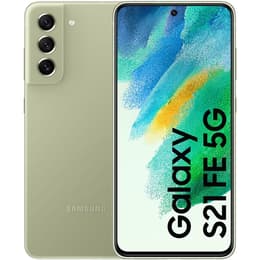
Galaxy S21 FE 5G
Galaxy S21 FE 5G
Starting at

Refurbished price:159.00

Versus €829.91 new

See options
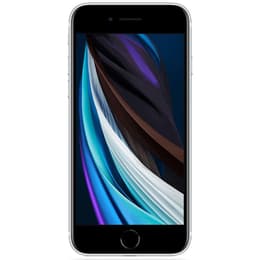
iPhone SE (2020)
iPhone SE (2020)
Starting at

Refurbished price:103.99

Versus €319.00 new

See options

Ratings

The Samsung Galaxy S21 FE 5G, released in January 2022, and the iPhone SE 2020, launched in April 2020, represent distinct approaches to smartphone design and functionality. While both offer capable performance for everyday use, they differ significantly in their operating systems, display technology, and camera systems. The Galaxy S21 FE runs on Android, providing a customizable experience, whereas the iPhone SE operates on Apple's iOS, known for its streamlined interface.

Scores

Durability

When considering the longevity of these devices, several factors come into play, including their release timelines, software support, and physical durability.

  • Release Timeline and OS Support: The iPhone SE 2020 was released earlier, in April 2020, while the Galaxy S21 FE 5G followed in January 2022. This difference in release dates means the Galaxy S21 FE 5G is likely to receive software updates for a longer period, extending its practical lifespan in terms of new features and security patches. The iPhone SE 2020 launched with iOS 13.4 and has received updates to current iOS versions. The Galaxy S21 FE 5G launched with Android 12.
  • Durability Features: Both devices offer a degree of water and dust resistance. The Galaxy S21 FE 5G is rated IP68, allowing for submersion in up to 1.5 meters of water for 30 minutes. The iPhone SE 2020 has an IP67 rating, meaning it can withstand submersion in up to 1 meter of water for 30 minutes. The Galaxy S21 FE 5G features Gorilla Glass Victus for screen protection, while the iPhone SE 2020 uses a scratch-resistant glass on both sides.
  • Expected Practical Lifespan: Users often report that iPhones receive software updates for approximately 5-6 years from their release. Android devices typically receive fewer major OS updates, though security updates can extend longer. The newer release of the Galaxy S21 FE 5G gives it an inherent advantage in terms of future software support.

Year of Release

2022

2020

Compatible with latest Update

Yes

Yes

OS

Android

iOS

Foldable

No

No

Performance

The performance of a smartphone is crucial for daily tasks, from launching applications to multitasking and gaming. Both devices offer capable performance, though they achieve this through different hardware and software optimizations.

  • Processing Power: The iPhone SE 2020 is equipped with a processor that handles demanding applications and multitasking smoothly, providing a responsive user experience. The Galaxy S21 FE 5G features a current-generation processor that also delivers strong performance for everyday use and more intensive tasks like gaming.
  • Multitasking and Responsiveness: The Galaxy S21 FE 5G typically comes with more RAM options (6GB or 8GB) compared to the iPhone SE 2020's 3GB of RAM. This difference can impact how many applications can run simultaneously in the background without needing to reload, potentially offering a smoother multitasking experience on the Galaxy S21 FE 5G. Both phones offer a fluid interface and quick app launches.
  • Battery Behavior: The Galaxy S21 FE 5G has a larger 4500 mAh battery, which users report can last a full day with regular use, and potentially more with lighter usage. The iPhone SE 2020 has a smaller 1821 mAh battery, and users often report that it may require more frequent charging, especially for heavy users.

Memory (GB)

6 GB

3 GB

Screen quality

The display is a primary interface for any smartphone, and these two models offer distinct visual experiences.

  • Display Technology and Size: The Galaxy S21 FE 5G features a 6.4-inch Dynamic AMOLED 2X display, known for its vibrant colors, deep blacks, and excellent contrast. The iPhone SE 2020 has a smaller 4.7-inch Retina IPS LCD, which provides accurate colors and good viewing angles.
  • Resolution and Clarity: The Galaxy S21 FE 5G offers a higher resolution of 1080 x 2400 pixels, resulting in a sharper image with a pixel density of approximately 401 ppi. The iPhone SE 2020 has a resolution of 750 x 1334 pixels, with a pixel density of around 326 ppi. Both provide clear visuals for typical viewing distances.
  • Refresh Rate and Brightness: The Galaxy S21 FE 5G boasts a 120Hz refresh rate, contributing to smoother scrolling and a more fluid visual experience, and a peak brightness of 1200 nits. The iPhone SE 2020 has a standard 60Hz refresh rate and a typical brightness of 625 nits. The higher refresh rate on the Galaxy S21 FE 5G is particularly noticeable during fast-paced content or general navigation.

Resolution

1080 x 2340

750 x 1334

Screen type

Dynamic AMOLED 2X

Retina IPS LCD

Audiovisual

Both smartphones offer capable camera systems, but they approach photography with different hardware configurations and software processing.

  • Rear Camera System: The Galaxy S21 FE 5G features a versatile triple-camera setup on the rear, including a 12MP main wide-angle lens with optical image stabilization (OIS), a 12MP ultrawide lens, and an 8MP telephoto lens with 3x optical zoom and OIS. This allows for a range of photographic options, from expansive landscapes to zoomed-in shots. The iPhone SE 2020 has a single 12MP wide-angle rear camera with OIS.
  • Photography Performance: The Galaxy S21 FE 5G's main camera produces colorful and detailed photos in good lighting conditions. Its ultrawide camera performs similarly in daylight, while the telephoto lens offers useful optical zoom. The iPhone SE 2020's single camera is noted for producing impressive pictures in most scenarios, with good detail and natural skin tones, especially in well-lit environments.
  • Video Recording and Front Camera: Both devices can record 4K video at 60 frames per second. The Galaxy S21 FE 5G has a 32MP front-facing camera, capable of 4K video recording. The iPhone SE 2020 features a 7MP front camera, which performs well for selfies and video calls, also supporting a software-based Portrait Mode.

Main camera

12 megapixels

12 megapixels

Front camera

32 megapixels

7 megapixels

Miscellaneous

Beyond the core features, several other elements contribute to the overall user experience and practical utility of these smartphones.

  • Connectivity and Ports: The Galaxy S21 FE 5G supports 5G connectivity, Wi-Fi 6, and Bluetooth 5.0, and uses a USB-C port for charging and data transfer. The iPhone SE 2020 supports 4G LTE, Wi-Fi 6, and Bluetooth 5.0, and utilizes Apple's proprietary Lightning port.
  • Biometric Security: The Galaxy S21 FE 5G incorporates an under-display optical fingerprint sensor for secure unlocking. The iPhone SE 2020 features a physical home button with Touch ID, providing front-mounted fingerprint recognition.
  • Design and Handling: The Galaxy S21 FE 5G has an aluminum frame with a plastic back, offering a solid feel in hand. It measures 155.7 x 74.5 x 7.9 mm and weighs 177 grams. The iPhone SE 2020 has an aluminum frame with a glass front and back, and a more compact design at 138.4 x 67.3 x 7.3 mm, weighing 148 grams. The smaller size of the iPhone SE 2020 makes it easier for one-handed use for many individuals.

Weight

177 g

148 g

Screen size (in)

6.4

4.7

Network

5G

4G

SIM card

Physical SIM

Physical SIM + eSIM

Carrier compatibility

Unlocked

Unlocked

Connector

USB-C

Lightning

Users frequently praise the Samsung Galaxy S21 FE 5G for its vibrant AMOLED display with a high refresh rate, its capable and versatile camera system, and its robust performance for a wide range of tasks. Common feedback also highlights its solid battery life, often lasting a full day or more for many users. Some users note that while the plastic back feels durable, it might not convey the same premium feel as glass-backed devices.

The iPhone SE 2020 is often lauded for its compact form factor, making it easy to handle and pocket. Its powerful processor is a consistent highlight, ensuring smooth operation and longevity in terms of performance. However, a frequent criticism revolves around its battery life, which many users find to be a limiting factor for extended use without recharging. The single rear camera is generally well-regarded for its image quality in good lighting, though it lacks the versatility of multi-lens systems.

Users prioritizing a larger, high-refresh-rate display, a multi-lens camera system with optical zoom, and longer battery life may find the Galaxy S21 FE 5G better suited to their needs. Conversely, those who value a compact design, a streamlined operating system, and consistent performance in a smaller package might lean towards the iPhone SE 2020. Both devices offer a reliable smartphone experience, and choosing between them often comes down to individual preferences regarding screen size, camera versatility, and operating system ecosystem. Opting for a quality-assured refurbished version of either model can be an eco-friendly alternative.


See all articles

Our recent comparisons