

Google Pixel 8 Vs iPhone 12 Pro Max

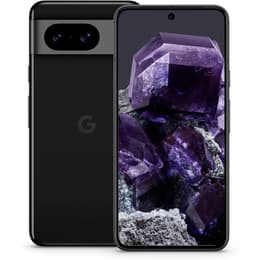
Google Pixel 8
Google Pixel 8
Starting at

Refurbished price:264.00

Versus €819.97 new

See options
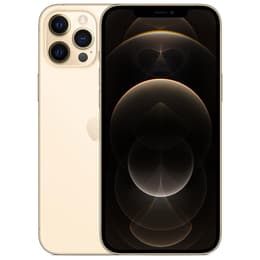
iPhone 12 Pro Max
iPhone 12 Pro Max
Starting at

Refurbished price:246.00

Versus €1,139.00 new

See options

Ratings

The Google Pixel 8, released in October 2023, and the iPhone 12 Pro Max, launched in October 2020, represent distinct approaches to high-end smartphone design and functionality. While the Pixel 8 operates on the Android platform, emphasizing advanced computational photography and a streamlined user experience, the iPhone 12 Pro Max runs on iOS, offering a larger display and a robust, integrated ecosystem. These devices cater to different user preferences, primarily differing in their operating systems, release timelines, and core feature priorities.

Scores

Durability

When considering the practical lifespan of these devices, several factors come into play, including software support, physical durability, and repairability.

  • Release Timeline and Software Support: The Google Pixel 8, being a more recent device from October 2023, benefits from Google's commitment to providing seven years of OS and security updates, extending its software longevity until at least October 2030. In contrast, the iPhone 12 Pro Max, released in November 2020, typically receives major iOS updates for about five to six years, with potential security updates continuing for a longer period. This means the Pixel 8 offers a significantly longer guaranteed period of up-to-date software and security features.
  • Physical Durability: The Pixel 8 features Gorilla Glass Victus on both its front and back, complemented by an aluminum frame. It also carries an IP68 rating for dust and water resistance. The iPhone 12 Pro Max introduced Apple's Ceramic Shield on the front for enhanced drop performance, with a glass back and a stainless steel frame, also boasting an IP68 rating. Both devices offer robust protection against environmental elements.
  • Repairability: The Google Pixel 8 has received repairability scores around 7 out of 10, indicating that self-repairs are possible for those with some technical skill. The iPhone 12 Pro Max received a repairability score of 6 out of 10 from iFixit, noting some design changes that make certain repairs easier, though proprietary screws and the need for specific software for full functionality of replaced parts can complicate independent repairs.

Year of Release

2023

2020

Compatible with latest Update

Yes

Yes

OS

Android

iOS

Foldable

No

No

Performance

The performance of a smartphone is crucial for daily tasks, from app usage to demanding multimedia applications.

  • Processor Capabilities: The Google Pixel 8 is powered by a current-generation processor designed by Google, which focuses on optimizing specific tasks and powering advanced artificial intelligence features. This allows for smooth handling of demanding applications and efficient multitasking. The iPhone 12 Pro Max features a powerful processor that delivers excellent overall performance, ensuring snappy and slick operation for processing photos, videos, and running games.
  • Memory and Storage: The Pixel 8 comes with 8GB of RAM, providing ample capacity for multitasking and running multiple applications simultaneously. Storage options include 128GB and 256GB. The iPhone 12 Pro Max is equipped with 6GB of RAM and offers more storage flexibility with options for 128GB, 256GB, and 512GB.
  • Battery Behavior: The Pixel 8 houses a 4575 mAh battery. While improved over previous Pixel generations, its battery life can still be a consideration for heavy users, especially with constant 5G usage. The iPhone 12 Pro Max, with a 3687 mAh battery, is known for its exceptional battery longevity, with some users reporting it lasting over 48 hours between charges, attributed to efficient hardware and software optimization.

Memory (GB)

8 GB

6 GB

Screen quality

The display is a primary interface for smartphone interaction, and both devices offer high-quality viewing experiences with distinct characteristics.

  • Display Technology and Clarity: The Google Pixel 8 features a 6.2-inch OLED display with a resolution of 1080x2400 pixels, offering vibrant colors and deep blacks. The iPhone 12 Pro Max boasts a larger 6.7-inch Super Retina XDR OLED display with a higher resolution of 1284x2778 pixels, providing an expansive and detailed viewing experience.
  • Brightness and Refresh Rate: The Pixel 8's display can reach a peak brightness of up to 2000 nits, making it highly visible even in bright outdoor conditions. It also features a 120Hz refresh rate, contributing to smoother scrolling and more fluid animations. The iPhone 12 Pro Max offers a peak brightness of up to 1200 nits and a standard 60Hz refresh rate.
  • Viewing Experience: The Pixel 8's smaller size and higher refresh rate make it suitable for users who prioritize a compact form factor with a very smooth visual experience. The iPhone 12 Pro Max's larger screen size is ideal for media consumption, gaming, and users who prefer more screen real estate.

Resolution

1080 x 2400

1284 x 2778

Screen type

OLED

Super Retina XDR OLED

Audiovisual

Both smartphones are recognized for their advanced camera systems, though they approach photography with different strengths and features.

  • Rear Camera Systems: The Google Pixel 8 features a dual-camera setup, including a 50MP main sensor with a wide aperture and optical image stabilization (OIS), alongside a 12MP ultrawide camera. Its photography prowess is significantly enhanced by software and AI features like Magic Eraser and Best Take. The iPhone 12 Pro Max offers a versatile triple-camera system, comprising a 12MP main sensor with OIS, a 12MP ultrawide, and a 12MP telephoto lens with 2.5x optical zoom and OIS. It also includes a LiDAR scanner for improved depth sensing.
  • Photography Performance: The Pixel 8 is praised for its impressive camera system, particularly its performance in low-light conditions and its ability to capture stunning photos with natural detail. The iPhone 12 Pro Max is known for its excellent camera capabilities, offering improved low-light performance and a longer optical zoom compared to other models in its series.
  • Video Recording and Audio: Both devices are capable of recording 4K video at up to 60 frames per second. The iPhone 12 Pro Max also supports Dolby Vision HDR video recording. Both phones feature stereo speakers, providing a rich audio experience for media consumption.

Main camera

50 megapixels

12 megapixels

Front camera

10.5 megapixels

12 megapixels

Miscellaneous

Beyond the core features, several practical elements contribute to the overall user experience and device utility.

  • Connectivity and Ports: The Google Pixel 8 supports 5G connectivity, Wi-Fi 7, and Bluetooth 5.3, offering modern wireless standards for faster and more efficient connections. It uses a USB-C 3.2 port for charging and data transfer. The iPhone 12 Pro Max also supports 5G, along with Wi-Fi 6 and Bluetooth 5.0. It utilizes Apple's proprietary Lightning port.
  • Biometric Security and Sensors: The Pixel 8 incorporates an optical under-display fingerprint sensor for secure unlocking, in addition to Face ID. The iPhone 12 Pro Max relies solely on Face ID for biometric authentication and includes a LiDAR scanner, which enhances augmented reality experiences and low-light autofocus.
  • Physical Design and Handling: The Pixel 8 is a more compact device, measuring 150.5 x 70.8 x 8.9 mm and weighing 187g, making it easier for one-handed use. The iPhone 12 Pro Max is larger and heavier at 160.8 x 78.1 x 7.4 mm and 228g, which can be a consideration for users preferring a lighter or smaller phone. The Pixel 8 has an aluminum frame, while the iPhone 12 Pro Max features a stainless steel frame.

Weight

187 g

226 g

Screen size (in)

6.2

6.7

Network

5G

5G

SIM card

Physical SIM + eSIM

Physical SIM + eSIM

Carrier compatibility

Unlocked

Unlocked

User feedback for the Google Pixel 8 frequently highlights its impressive camera system, particularly its low-light capabilities and the integration of AI-powered photo editing features. Users also appreciate its clean Android experience, timely software updates, and comfortable, compact design. A common point of discussion, however, is its battery life, which some heavy users find can be a concern.

The iPhone 12 Pro Max is often praised for its exceptionally long battery life, expansive display, and robust overall performance. Its camera system, including the dedicated telephoto lens and LiDAR scanner, also receives positive remarks for delivering high-quality photos and videos. Some users note its considerable size and weight as a factor in daily handling.

For users prioritizing a compact Android device with cutting-edge computational photography and a commitment to long-term software support, the Google Pixel 8 may be a more suitable choice. Its focus on AI-driven features and a smooth, updated Android experience caters to those who value smart software and a modern feel. Conversely, users who prefer a larger display for media consumption, the established iOS ecosystem, and a device known for its exceptional battery longevity and strong overall performance, might find the iPhone 12 Pro Max aligns better with their needs. Its dedicated telephoto lens and robust build quality also appeal to specific user profiles.

Both devices offer compelling features, and considering a quality-assured refurbished option for either model can be an eco-friendly alternative for consumers looking to make an informed and sustainable choice.