


Compare models

Google Pixel 7 Vs iPhone 11 Pro Max

  • 1-year minimum warranty
  • Free delivery on all orders
  • Free 30-day returns
Google Pixel 7
Starting at

Refurbished price:244.72

Versus €649.99 new

See options
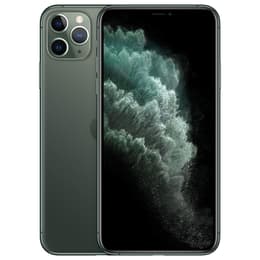
iPhone 11 Pro Max
Starting at

Refurbished price:227.86

Versus €939.00 new

See options

Differences at a glance

The Google Pixel 7, released in October 2022, and the iPhone 11 Pro Max, launched in September 2019, represent different generations and operating systems in the smartphone landscape. While the Pixel 7 runs on Google's Android platform, the iPhone 11 Pro Max operates on Apple's iOS. These devices offer distinct approaches to mobile technology, with the Pixel 7 focusing on advanced computational photography and a modern Android experience, and the iPhone 11 Pro Max providing a robust, established iOS ecosystem with a strong emphasis on performance and camera capabilities from its era.

Available Models

Colour

Storage (GB)

Scores

Durability

When considering the long-term usability of these devices, their respective release timelines and software support policies are key factors.

  • Release and Software Support: The Google Pixel 7, launched in October 2022, is guaranteed to receive five years of OS and security updates, extending its software longevity until October 2027, potentially receiving Android 18. The iPhone 11 Pro Max, released in September 2019, typically receives major iOS updates for about 5-6 years from its launch, meaning its software support is nearing its end or has recently concluded, depending on Apple's specific update cycle for older models.
  • Practical Lifespan: The Pixel 7 benefits from a more recent release and a longer guaranteed software update window, offering a more extended period of access to the latest Android features and security patches. The iPhone 11 Pro Max, while still functional, will gradually see fewer new features and eventually cease to receive major OS upgrades, though security updates may continue for a period.
  • Durability and Repairability: Both devices feature an IP68 rating for water and dust resistance, indicating a similar level of protection against environmental elements. The iPhone 11 Pro Max was noted at its release for having durable glass.

Year of Release

2022

2019

Compatible with latest Update

Yes

Yes

OS

Android

iOS

Foldable

No

No

Performance

Performance is a critical aspect for daily use, influencing how smoothly applications run and how efficiently tasks are handled.

  • System Responsiveness: The Google Pixel 7 is equipped with a current-generation processor designed for efficient handling of everyday applications, multitasking, and Google's AI-driven features. The iPhone 11 Pro Max, while older, features a powerful processor that was considered industry-leading at its release, providing smooth performance for most tasks and gaming.
  • Multitasking and Storage: The Pixel 7 typically comes with 8GB of RAM, which supports fluid multitasking and app management. The iPhone 11 Pro Max has 4GB of RAM. Both devices offer various internal storage options, with the iPhone 11 Pro Max available in configurations up to 512GB, and the Pixel 7 up to 256GB.
  • Battery Behavior: The Pixel 7 has a 4355 mAh battery, designed to last a full day with typical usage, and supports 20W wired and wireless charging. The iPhone 11 Pro Max, with a 3969 mAh battery, was known for its exceptional battery life, often lasting 12-14 hours of screen-on time in tests, and supports 18W fast charging and wireless charging.

Screen quality

The display is the primary interface for interacting with a smartphone, and both models offer distinct viewing experiences.

  • Display Technology and Clarity: The Google Pixel 7 features a 6.3-inch OLED display with a resolution of 2400x1080 pixels, offering vibrant colors and deep blacks. The iPhone 11 Pro Max has a larger 6.5-inch Super Retina XDR OLED display with a resolution of 2688x1242 pixels, also known for its excellent color accuracy and contrast.
  • Brightness and Refresh Rate: The Pixel 7's display offers a 90Hz refresh rate for smoother scrolling and animations, and supports HDR. The iPhone 11 Pro Max features a 60Hz refresh rate but boasts high peak brightness levels, reaching up to 1200 nits for HDR content, enhancing visibility in various lighting conditions.
  • Viewing Experience: Both displays provide a clear and immersive viewing experience for media consumption and daily tasks. The Pixel 7's higher refresh rate offers a more fluid visual experience, while the iPhone 11 Pro Max's higher peak brightness can be beneficial for outdoor use.

Resolution

1080 x 2400

1242 x 2688

Screen type

AMOLED

Super Retina XDR OLED

Audiovisual

Both the Google Pixel 7 and the iPhone 11 Pro Max are recognized for their camera capabilities, albeit with different strengths and approaches to image processing.

  • Camera System Configuration: The Google Pixel 7 features a dual-camera system on the rear, comprising a 50MP wide lens with optical image stabilization (OIS) and a 12MP ultrawide lens. The iPhone 11 Pro Max sports a triple-camera setup, including a 12MP wide lens with OIS, a 12MP ultrawide lens, and a 12MP telephoto lens with 2x optical zoom and OIS.
  • Photography Performance: The Pixel 7 excels in computational photography, offering features like Night Sight for low-light conditions, Portrait Mode, and a 2x Super Res Zoom that leverages its high-resolution main sensor. The iPhone 11 Pro Max also delivers strong low-light performance with its Night Mode and benefits from Deep Fusion for enhanced detail in various lighting. Its dedicated telephoto lens provides true optical zoom. Both have 10-12MP front cameras capable of 4K video.
  • Video Recording: Both devices are capable of recording 4K video at up to 60 frames per second. The Pixel 7 introduces Cinematic Blur for video, similar to a portrait mode for video, while the iPhone 11 Pro Max offers cinematic video stabilization and slo-mo selfies.

Main camera

50 megapixels

12 megapixels

Front camera

10.8 megapixels

12 megapixels

Miscellaneous

Beyond the core features, several practical elements contribute to the overall user experience and device utility.

  • Connectivity and Ports: The Google Pixel 7 supports 5G connectivity, offering faster mobile data speeds where available, along with Wi-Fi 6 and Bluetooth 5.2. The iPhone 11 Pro Max supports 4G LTE, Wi-Fi 6, and Bluetooth 5.0, but does not include 5G capabilities. The Pixel 7 uses a USB-C port, while the iPhone 11 Pro Max uses a Lightning port. Neither device includes a 3.5mm headphone jack.
  • Biometric Security and Design: The Pixel 7 features an under-display fingerprint sensor for secure unlocking. The iPhone 11 Pro Max relies on Face ID, Apple's facial recognition system. In terms of physical design, the Pixel 7 weighs 197g and measures 155.6 x 73.2 x 8.7 mm. The iPhone 11 Pro Max is heavier at 226g and larger at 158 x 77.8 x 8.1 mm.
  • Additional Features: The Pixel 7 includes reverse wireless charging and an Ultra-Wideband chip for spatial awareness.

Weight

197 g

226 g

Screen size (in)

6.3

6.5

Network

5G

4G

SIM card

Physical SIM + eSIM

Physical SIM + eSIM

Carrier compatibility

Unlocked

Unlocked

What the community thinks

The Google Pixel 7 and iPhone 11 Pro Max cater to different user preferences, reflecting their respective ecosystems and release timelines.

Users often praise the Pixel 7 for its exceptional camera performance, particularly its computational photography features like Night Sight and Photo Unblur, which consistently produce high-quality images. Its clean Android experience and guaranteed long-term software support are also frequently highlighted as strong advantages. However, some users have expressed concerns regarding its battery life, especially under heavy usage.

The iPhone 11 Pro Max is widely lauded for its robust performance, even years after its release, and its outstanding battery life, which many users found to easily last a full day or more. Its triple-camera system, including a dedicated telephoto lens, was highly regarded for its versatility and image quality. Some users, however, found its large size and weight to impact ergonomics.

Users prioritizing the latest software features, a modern Android experience, and advanced computational photography may find the Google Pixel 7 well-suited to their needs. Those who value a proven, powerful iOS ecosystem, exceptional battery endurance, and a dedicated optical zoom lens might lean towards the iPhone 11 Pro Max. Both devices offer a quality-assured refurbished option, providing a sustainable choice for consumers.