


Compare models

iPhone 15 Vs OnePlus 13

  • 1-year minimum warranty
  • Free delivery on all orders
  • Free 30-day returns
iPhone 15
Starting at

Refurbished price:€407.00

Versus €879.00 new

See options
OnePlus 13
Starting at

Refurbished price:€792.00

Versus €1,049.00 new

See options

Differences at a glance

The iPhone 15 (2023) and the OnePlus 13 (2025) represent two distinct philosophies in the modern smartphone landscape. The iPhone 15 is a streamlined device running Apple's iOS ecosystem, focused on streamlined day-to-day utility. In contrast, the OnePlus 13 operates on Android with OxygenOS, emphasizing extensive hardware capability and high-capacity battery performance. While both serve as high-end mobile solutions, they approach user experience through different operating systems and design choices.

Available Models

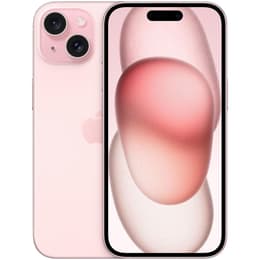
Colour

Storage

Scores

Durability

Both smartphones provide robust long-term durability features, though they manage software support and physical resilience through different approaches suited to their respective ecosystems.

  • Software longevity: The iPhone 15 benefits from Apple's extended update lifecycle, while the OnePlus 13 provides several years of major Android version upgrades and security patches.
  • Build resilience: Both devices feature high-grade dust and water resistance ratings alongside strengthened glass protection to handle daily wear and tear.
  • Repairability framework: Both manufacturers offer structured repair channels, making quality-assured refurbished options a sustainable choice for extending device lifespans responsibly.

Year of Release

2023

2025

Compatible with latest Update

Yes

Yes

OS

iOS

Android

Foldable

No

No

Performance

System performance and efficiency vary significantly based on internal configuration, memory allocation, and battery management strategies.

  • Multitasking capacity: The OnePlus 13 handles demanding background tasks and heavy app switching with ease thanks to abundant random access memory, whereas the iPhone 15 relies on optimized software efficiency to manage everyday workloads.
  • Battery endurance: The OnePlus 13 incorporates a high-capacity power cell designed for extended heavy usage, while the iPhone 15 balances all-day efficiency within a more compact frame.
  • Storage tiers: Both models offer ample internal storage starting configurations to store media, applications, and documents without frequent cleanups.

Screen quality

Display engineering differs noticeably between the two models in terms of physical dimensions, panel fluidity, and maximum brightness output.

  • Viewing area: The OnePlus 13 features a larger expansive display panel suited for immersive media viewing, while the iPhone 15 offers a more compact screen designed for comfortable one-handed reach.
  • Visual fluidity: The OnePlus 13 utilizes an adaptive high refresh rate for smooth scrolling, whereas the iPhone 15 maintains a standard refresh rate optimized for everyday navigation.
  • Clarity and outdoor visibility: Both devices employ advanced light-emitting diode technology with high peak brightness levels, ensuring legible content under direct sunlight.

Resolution

1179 x 2556

1440 x 3168

Screen type

Super Retina XDR OLED

AMOLED

Audiovisual

Optics and multimedia performance cater to different photography habits and content creation preferences.

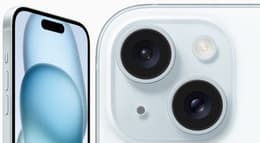
  • Camera versatility: The OnePlus 13 includes a flexible triple-lens array featuring dedicated optical zoom capabilities, while the iPhone 15 employs a dual-lens setup focused on reliable everyday point-and-shoot accuracy.
  • Video and audio: Both handsets deliver stable high-definition video recording alongside clear stereo speaker output suitable for hands-free calls and media streaming.
  • Low-light capture: Image processing software on both models successfully brightens dark environments while preserving natural shadow details.

Miscellaneous

Physical dimensions and connectivity options dictate how each device integrates into daily routines and travel logistics.

  • Port compatibility: Both devices use modern reversible connection standards for charging and data transfer, moving away from legacy proprietary cables.
  • Biometric security: The iPhone 15 uses advanced facial recognition sensors, whereas the OnePlus 13 features a responsive in-display fingerprint scanner.
  • Form factor: The iPhone 15 is lighter and easier to pocket, while the OnePlus 13 has a larger footprint dictated by its expansive screen and larger power cell.

Weight

171 g

213 g

Screen size (in)

6.1

6.82

Network

5G

5G

SIM card

eSIM

Dual Physical SIM

Carrier compatibility

Unlocked

Unlocked

Connector

USB-C (USB 2)

USB-C

What the community thinks

User discussions and community feedback highlight distinct preferences for each device. Owners of the iPhone 15 frequently praise its comfortable pocket-friendly dimensions, intuitive operating system, and seamless integration with other Apple hardware. Conversely, OnePlus 13 users often highlight the impressive battery endurance, fast charging speeds, and fluid high refresh rate screen as standout daily advantages. Some criticisms for the iPhone point to its standard refresh rate screen, while discussions around the OnePlus 13 occasionally note its larger physical footprint in smaller hands.

Users prioritizing a compact design, iOS software ecosystem, and simple handling will find the iPhone 15 well-suited to their daily routines. Meanwhile, users prioritizing extended battery longevity, a large multimedia display, and Android customization will lean toward the OnePlus 13. Selecting a quality-assured refurbished option provides an eco-friendly alternative for acquiring either device while supporting sustainable technology consumption.