
iPhone

Compare models
Differences at a glance
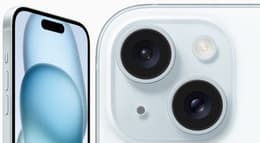
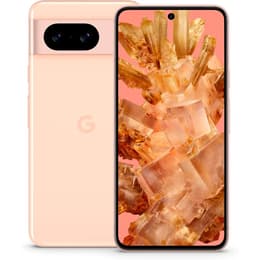
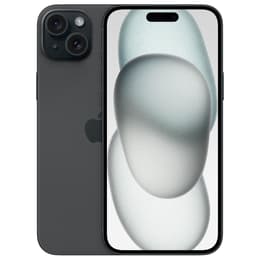
The Google Pixel 8, released in October 2023, and the iPhone 15 Plus, launched in September 2023, are both contemporary smartphones offering distinct user experiences. While the Pixel 8 operates on Google's Android system with a strong emphasis on artificial intelligence, the iPhone 15 Plus runs on Apple's iOS, known for its integrated ecosystem and consistent performance. Key differences between these devices include their operating systems, camera processing approaches, and display characteristics.
Colour
Storage (GB)
When evaluating the long-term usability of these devices, their software support and physical resilience are important considerations.
Year of Release
Compatible with latest Update
OS
Foldable
Both smartphones deliver strong performance for daily tasks, though they approach processing power with different philosophies.
The visual experience on both devices is premium, though they differ in size and refresh rate.
Resolution
Screen type
Both devices offer advanced camera systems, but they approach image processing and feature sets differently.
Main camera
Front camera
Beyond core features, several practical elements differentiate these two smartphones.
Weight
Screen size (in)
Network
SIM card
Carrier compatibility
Connector
The Google Pixel 8 and iPhone 15 Plus each offer compelling features tailored to different user preferences. Users frequently praise the Pixel 8 for its exceptional camera capabilities, particularly its AI-driven features and strong low-light performance. Its long-term software support commitment of seven years is also a significant advantage, ensuring the device remains current for an extended period. Some common criticisms include occasional software bugs, potential for warmth during intensive use, and a fingerprint sensor that some find less reliable.
The iPhone 15 Plus is widely lauded for its robust battery life, smooth and consistent iOS experience, and premium build quality. Its seamless integration within the Apple ecosystem is a major draw for many. However, some users express disappointment with its 60Hz display refresh rate and the slower USB-C 2.0 data transfer speeds compared to other modern smartphones.
Users prioritizing advanced computational photography, a highly customizable Android experience, and the longest possible software support will find the Google Pixel 8 well-suited to their needs. Its compact form factor also appeals to those seeking a more manageable device. Conversely, users who value extended battery life, a larger display, a highly integrated ecosystem, and consistent performance will likely lean towards the iPhone 15 Plus. Both devices represent excellent choices, and for those considering a sustainable option, quality-assured refurbished models of either phone provide an eco-friendly alternative.