

Compare models
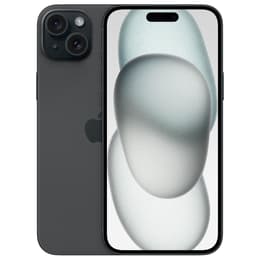
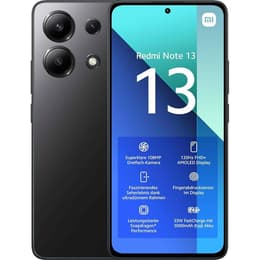
iPhone 15 Plus Vs Xiaomi Redmi Note 13 4G
- 1-year minimum warranty
- Free delivery on all orders
- Free 30-day returns
Differences at a glance
The Apple iPhone 15 Plus (2023) and the Xiaomi Redmi Note 13 4G (2024) are large-screen smartphones designed for different software ecosystems and user expectations. While the iPhone 15 Plus operates on Apple's iOS platform with a focus on integrated hardware and software performance, the Xiaomi Redmi Note 13 4G runs Android with custom interface features tailored for everyday versatility. These two devices cater to distinct user preferences through differing builds, processing capabilities, and interface designs.
Available Models
Colour
Storage (GB)
Scores
Durability
When evaluating the long-term potential of these devices, differences in release schedules, operating system support, and physical construction shape their expected practical lifespans.
- Software Longevity: The iPhone 15 Plus benefits from Apple's extended update timeline, receiving system upgrades for many years. The Xiaomi Redmi Note 13 4G receives standard Android security patches and version updates aligned with mid-range device support cycles.
- Build and Repairability: The iPhone 15 Plus utilizes durable glass and aluminum materials protected by specialized front glass, alongside an official water and dust resistance rating. The Xiaomi Redmi Note 13 4G features a plastic frame and back with splash resistance, requiring more care against deep water exposure.
- Expected Lifespan: Both smartphones offer reliable daily service, though Apple's hardware support model often extends peak operational longevity for users keeping devices over multiple years.
Year of Release
2023
2024
Compatible with latest Update
Yes
Yes
OS
iOS
Android
Foldable
No
No
Performance
Daily operation, multitasking smoothness, and energy management vary significantly based on internal hardware optimization and memory configurations.
- Multitasking and Responsiveness: The iPhone 15 Plus handles demanding applications, intensive games, and rapid app switching smoothly with its efficient processor architecture and balanced system memory. The Xiaomi Redmi Note 13 4G manages everyday tasks like web browsing, social media, and messaging reliably, though heavier gaming or extensive background tasks may encounter occasional loading delays.
- Battery Behavior: Both models include large batteries capable of lasting through a full day of standard use, with the iPhone utilizing advanced power efficiency and the Xiaomi supporting rapid wired charging speeds.
- Storage Configurations: Both devices offer multiple storage tiers to accommodate personal media libraries, documents, and application data, though the Xiaomi model also provides expandable storage via a memory card slot.
Screen quality
Visual output and display responsiveness play a central role in media consumption, reading, and outdoor visibility.
- Display Technology: The iPhone 15 Plus features a bright OLED panel with deep contrast and accurate color reproduction. The Xiaomi Redmi Note 13 4G employs an AMOLED screen known for vibrant colors and a high refresh rate that makes scrolling through menus appear fluid.
- Outdoor Brightness: Both screens reach high peak luminance levels, ensuring content remains legible under direct sunlight or bright ambient lighting conditions.
- Viewing Area: Each phone offers a spacious viewing canvas exceeding 6.5 inches, making them well-suited for watching videos, viewing photos, and reading long documents comfortably.
Resolution
1290 x 2796
1080 x 2400
Screen type
Super Retina XDR OLED
AMOLED
Audiovisual
Imaging hardware and audio output configurations determine how each device handles photography, video recording, and media playback.
- Camera Capabilities: The iPhone 15 Plus relies on a high-resolution primary sensor paired with computational photography software to capture detailed images and smooth video across diverse lighting conditions. The Xiaomi Redmi Note 13 4G equips a high-megapixel main sensor supported by an ultra-wide lens for everyday snapshots.
- Video and Audio: The Apple device records stable, high-definition video with advanced dynamic range features, while the Xiaomi model captures standard high-definition video suitable for casual sharing.
- Media Sound: Both smartphones incorporate stereo speaker setups for media playback, and the Xiaomi model retains a traditional headphone port for wired audio accessories.
Main camera
48 megapixels
108 megapixels
Front camera
12 megapixels
16 megapixels
Miscellaneous
Practical daily features, connectivity standards, and physical handling characteristics define the ergonomic experience of each phone.
- Connectivity and Ports: The iPhone 15 Plus adopts a universal USB-C connection alongside modern wireless and satellite-linked communication features. The Xiaomi Redmi Note 13 4G uses a USB-C port, includes an infrared blaster for controlling household electronics, and retains traditional audio connectivity.
- Security and Sensors: Apple relies on secure 3D face recognition, whereas Xiaomi integrates an optical fingerprint reader beneath the display surface.
- Physical Handling: The iPhone 15 Plus has a slightly heavier glass-and-metal build, while the Xiaomi model features a lighter composite frame that rests comfortably in the hand.
Weight
201 g
175 g
Screen size (in)
6.7
6.67
Network
5G
4G
SIM card
Physical SIM + eSIM
Dual Physical SIM
Carrier compatibility
Unlocked
Unlocked
Connector
USB-C
USB-C
What the community thinks
User feedback on community forums highlights distinct preferences for each device. Owners of the iPhone 15 Plus frequently praise its dependable battery longevity, robust build quality, and smooth system integration within the Apple ecosystem. Conversely, users of the Xiaomi Redmi Note 13 4G often value its responsive high-refresh-rate display, inclusion of expandable storage, and overall everyday practicality for standard tasks. Common discussions sometimes note that the Apple model carries a higher initial tier expectation, while the Xiaomi model is occasionally noted for limitations in intensive 3D gaming performance.
Users prioritizing deep software integration, long-term update support, and refined video recording will find the iPhone 15 Plus well-suited to their needs. Meanwhile, users prioritizing a fluid display refresh rate, expandable storage flexibility, and everyday budget-conscious utility may lean toward the Xiaomi Redmi Note 13 4G. Consumers seeking a quality-assured refurbished option can explore sustainable choices through Back Market to find inspected devices that match their personal technology requirements.