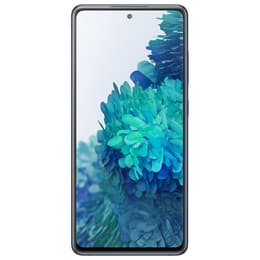
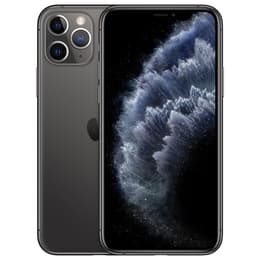


Galaxy S20 FE Vs iPhone 11 Pro

Galaxy S20 FE
Galaxy S20 FE
Starting at

Refurbished price:151.00

Versus €779.00 new

See options
iPhone 11 Pro
iPhone 11 Pro
Starting at

Refurbished price:183.00

Versus €809.00 new

See options

Ratings

The Samsung Galaxy S20 FE, released in October 2020, and the iPhone 11 Pro, launched in September 2019, represent distinct approaches to premium smartphone experiences from their respective manufacturers. While the Galaxy S20 FE offers a larger, high-refresh-rate Android display, the iPhone 11 Pro provides a compact iOS experience with a focus on camera performance and software longevity. These devices cater to users with differing preferences for operating systems and hardware priorities.

Scores

Durability

When considering the long-term usability of these devices, their release timelines and software support policies are key factors.

  • Release Timeline & Age: The iPhone 11 Pro, released in September 2019, is approximately one year older than the Samsung Galaxy S20 FE, which launched in October 2020. This age difference impacts their remaining software support windows.
  • OS Support Duration: The iPhone 11 Pro, running iOS, is expected to receive major iOS updates until at least late 2025 (iOS 26) and security updates potentially into late 2026 or beyond, offering a longer period of active software support. The Galaxy S20 FE, an Android device, received three major Android OS updates and its software support officially ended around October 2025, after approximately five years of security patches.
  • Practical Lifespan: Both devices feature robust builds, with the iPhone 11 Pro utilizing a stainless steel frame and glass, and the Galaxy S20 FE featuring an aluminum frame with a plastic back and Gorilla Glass 3 on the front. Both also carry an IP68 rating for water and dust resistance, contributing to their physical durability. Users can expect both phones to remain functional for several years, though the iPhone 11 Pro may offer a slightly longer period of receiving the latest operating system features.

Year of Release

2020

2019

Compatible with latest Update

No

Yes

OS

Android

iOS

Foldable

No

No

Performance

Both the Galaxy S20 FE and the iPhone 11 Pro delivered strong performance at their respective launches, handling demanding applications and multitasking effectively.

  • System Responsiveness: The iPhone 11 Pro, powered by its A13 Bionic chip, offers a highly optimized and fluid user experience, with applications launching quickly and smooth transitions between tasks. The Galaxy S20 FE, equipped with a powerful processor (Snapdragon 865 or Exynos 990 depending on the region), also provides solid performance for everyday use, gaming, and heavy multitasking.
  • Multitasking Capabilities: The Galaxy S20 FE typically comes with 6GB or 8GB of RAM, which allows for efficient management of multiple applications running simultaneously without significant slowdowns. The iPhone 11 Pro features 4GB of RAM, but its highly efficient iOS memory management ensures a smooth multitasking experience for most users.
  • Storage Options: The iPhone 11 Pro offers storage configurations of 64GB, 256GB, and 512GB. The Galaxy S20 FE is available with 128GB or 256GB of internal storage and includes a microSD card slot for expandable storage, providing flexibility for users who require more space for media and files.

Memory (GB)

6 GB

4 GB

Screen quality

The display is a significant differentiator between these two smartphones, impacting the visual experience for users.

  • Display Technology & Refresh Rate: The Galaxy S20 FE features a 6.5-inch Super AMOLED display with a 120Hz refresh rate, providing exceptionally smooth scrolling and a more responsive feel during interactions and gaming. The iPhone 11 Pro has a smaller 5.8-inch Super Retina XDR OLED display with a standard 60Hz refresh rate. While the iPhone's display is highly regarded for its color accuracy and brightness, the higher refresh rate on the S20 FE offers a noticeable difference in fluidity.
  • Resolution & Clarity: The Galaxy S20 FE offers a Full HD+ resolution of 1080x2400 pixels, resulting in a clear and sharp image. The iPhone 11 Pro's display has a resolution of 2436x1125 pixels, which translates to a higher pixel density on its smaller screen, contributing to very sharp text and images.
  • Brightness & Viewing Experience: Both phones feature OLED technology, delivering deep blacks and vibrant colors. The iPhone 11 Pro's Super Retina XDR display is known for its high peak brightness, making it excellent for HDR content and outdoor visibility. The Galaxy S20 FE's Super AMOLED display also offers good brightness and color reproduction, enhancing the viewing experience for media consumption.

Resolution

1080 x 2400

1125 x 2436

Screen type

Super AMOLED

Super Retina XDR OLED

Audiovisual

Both devices offer versatile camera systems capable of capturing high-quality photos and videos, though with some distinct characteristics.

  • Rear Camera Systems: The iPhone 11 Pro features a triple 12MP camera system, including wide, ultra-wide, and telephoto lenses with 2x optical zoom. It is particularly praised for its consistent image quality, excellent low-light performance with Night Mode, and strong video recording capabilities. The Galaxy S20 FE also has a triple camera setup, consisting of a 12MP wide, 12MP ultra-wide, and an 8MP telephoto lens with 3x optical zoom. Its telephoto lens offers greater optical reach, and users generally find its main camera to produce great results in good lighting.
  • Low-Light & Video Performance: The iPhone 11 Pro excels in low-light conditions due to its effective Night Mode, which significantly brightens and sharpens images taken in dim environments. It also records high-quality 4K video at up to 60 frames per second with good stabilization. The Galaxy S20 FE also offers a night mode and 4K video recording, though some user comparisons suggest the iPhone 11 Pro might have an edge in very challenging low-light scenarios and overall video consistency.
  • Front Camera & Features: The iPhone 11 Pro includes a 12MP front-facing camera capable of 4K video recording and advanced portrait features. The Galaxy S20 FE boasts a higher resolution 32MP front camera, which can capture detailed selfies. Both devices offer a range of photographic modes and computational photography enhancements to improve image quality.

Main camera

12 megapixels

12 megapixels

Front camera

32 megapixels

12 megapixels

Miscellaneous

Beyond core specifications, several practical elements contribute to the overall user experience of these smartphones.

  • Connectivity & Ports: The Galaxy S20 FE (5G variant) supports 5G connectivity, offering faster mobile data speeds in compatible areas, alongside Wi-Fi 6 and Bluetooth 5.0. It features a USB-C port for charging and data transfer. The iPhone 11 Pro supports Wi-Fi 6 and Bluetooth 5.0 but does not include 5G capabilities. It uses Apple's proprietary Lightning port. Neither device includes a traditional 3.5mm headphone jack.
  • Biometric Security: The iPhone 11 Pro relies on Face ID, an advanced facial recognition system for secure unlocking and authentication. The Galaxy S20 FE incorporates an in-display optical fingerprint sensor, which provides a convenient unlocking method, though some users have reported it can be finicky.
  • Design & Handling: The iPhone 11 Pro, with its 5.8-inch display, is a more compact device, weighing 188 grams and measuring 144 x 71.4 x 8.1 mm. Its stainless steel frame contributes to a premium feel. The Galaxy S20 FE is larger with a 6.5-inch display, weighing 190 grams and measuring 159.8 x 74.5 x 8.4 mm. Its plastic back, while durable, offers a different tactile experience compared to the iPhone's glass and metal construction.

Weight

190 g

188 g

Screen size (in)

6.5

5.8

Network

4G

4G

SIM card

Dual Physical SIM

Physical SIM + eSIM

Carrier compatibility

Unlocked

Unlocked

The Samsung Galaxy S20 FE and iPhone 11 Pro, while both capable smartphones, offer distinct experiences tailored to different user preferences. User feedback often highlights the Galaxy S20 FE's vibrant 120Hz AMOLED display and its versatile camera system, particularly the 3x optical zoom, as strong advantages. Some users appreciate the flexibility of the Android operating system and expandable storage. Criticisms sometimes point to the plastic back feeling less premium and the in-display fingerprint sensor being less consistent than desired.

Conversely, the iPhone 11 Pro is frequently praised for its exceptional camera performance, especially in low light, and its robust video capabilities. Its consistent software experience and strong battery life are also commonly cited as benefits. Some users, however, note the 60Hz display as a potential drawback compared to newer phones and the design, while refined, may feel less modern to some.

Users prioritizing a smooth, high-refresh-rate display, greater optical zoom versatility, and the open customization of Android may find the Galaxy S20 FE well-suited to their needs. Those who value a compact form factor, a highly optimized and long-supported iOS ecosystem, and a consistently excellent camera for both photos and videos, particularly in challenging lighting, may lean towards the iPhone 11 Pro. Both devices remain solid choices, and opting for a quality-assured refurbished option can be an eco-friendly alternative for acquiring either of these capable smartphones.


See all articles

Our recent comparisons





