


Compare models

Galaxy S25 FE Vs Xiaomi Redmi Note 13 4G

  • 1-year minimum warranty
  • Free delivery on all orders
  • Free 30-day returns
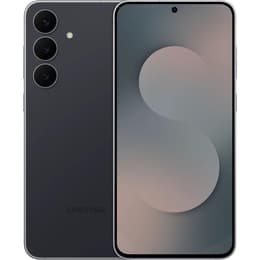
Galaxy S25 FE
Starting at

Refurbished price:€390.00

Versus €750.00 new

See options
Xiaomi Redmi Note 13 4G
Starting at

Refurbished price:€180.00

Versus €299.00 new

See options

Differences at a glance

The Samsung Galaxy S25 FE (2025) and the Xiaomi Redmi Note 13 4G (2024) are modern smartphones designed for different tiers of mobile usage. While both run on the Android operating system with custom manufacturer interfaces, they cater to distinct feature sets and performance expectations. The primary differences lie in their processing power capabilities, build tier, and software support longevity.

Available Models

Colour

Storage

Scores

Durability

When evaluating hardware longevity and software support, the two devices follow very different update paths and build resilience standards.

  • Software Support Duration: The Samsung Galaxy S25 FE provides extended operating system upgrades spanning multiple years, whereas the Xiaomi Redmi Note 13 4G offers a more traditional support window suited for standard usage cycles.
  • Build Material Resilience: The Samsung model features durable glass and reinforced aluminum architecture designed to withstand accidental impacts, while the Xiaomi model utilizes a lighter polycarbonate frame with splash-resistant certification.
  • Expected Lifespan: Users can anticipate prolonged software relevance on the Samsung device, whereas the Xiaomi option fits shorter upgrade timelines effectively.

Year of Release

2025

2024

Compatible with latest Update

Yes

Yes

OS

Android

Android

Foldable

No

No

Performance

Daily operation and multitasking capabilities vary significantly based on the internal processing hardware embedded within each smartphone.

  • System Responsiveness: The Samsung Galaxy S25 FE handles heavy gaming and complex background tasks with high efficiency, while the Xiaomi Redmi Note 13 4G manages everyday communication, web browsing, and light media streaming smoothly.
  • Memory and Storage Configurations: Both devices offer multiple configurations with ample storage capacity, though the Samsung unit pairs its storage with faster data retrieval speeds for demanding applications.
  • Battery Behavior: Each smartphone comfortably sustains a full day of typical use, with the Xiaomi model featuring rapid wired recharging speeds to minimize time plugged into a wall outlet.

Screen quality

Visual immersion and panel characteristics shape how media consumption and outdoor viewing are experienced on both displays.

  • Display Technology: Both models utilize vibrant AMOLED display panels that deliver deep contrast levels and rich color reproduction for videos and photos.
  • Refresh Rate and Smoothness: Each device supports high refresh rate capabilities, ensuring fluid scrolling through web pages, social media feeds, and system menus.
  • Outdoor Visibility: The Samsung Galaxy S25 FE reaches higher peak brightness levels for clear visibility under direct sunlight, while the Xiaomi Redmi Note 13 4G maintains dependable legibility in standard daylight conditions.

Audiovisual

Imaging hardware and audio output configurations determine how well each smartphone captures memories and reproduces sound.

  • Camera System Capabilities: The Xiaomi Redmi Note 13 4G relies on a high-resolution main sensor for daytime snapshots, whereas the Samsung Galaxy S25 FE integrates a versatile multi-lens array featuring dedicated optical stabilization and reliable low-light performance.
  • Video Recording Quality: The Samsung device offers steady high-resolution video capture with advanced stabilization, while the Xiaomi model handles casual 1080p recording adequately.
  • Media Consumption Audio: Both smartphones incorporate stereo speaker setups, though users seeking a traditional wired headphone connection will find a 3.5mm audio jack exclusively on the Xiaomi model.

Miscellaneous

Physical dimensions, connectivity standards, and daily handling features shape the ergonomic experience of each device.

  • Handling and Weight: The Samsung Galaxy S25 FE presents a slim profile weighing 190 grams, while the Xiaomi Redmi Note 13 4G offers a comparable weight distribution at 188.5 grams for comfortable single-handed use.
  • Connectivity Options: The Samsung model includes advanced modern wireless standards alongside fifth-generation mobile network compatibility, whereas the Xiaomi model focuses on standard 4G connectivity and includes a useful infrared blaster.
  • Security Sensors: Both units incorporate responsive biometric authentication methods, utilizing secure under-display fingerprint sensors for quick unlocking.

Weight

190 g

175 g

Screen size (in)

6.7

6.67

Network

5G

4G

SIM card

Physical SIM + eSIM

Dual Physical SIM

Carrier compatibility

Unlocked

Unlocked

Connector

USB-C

USB-C

What the community thinks

User feedback highlights distinct preferences for each device across online communities. Owners of the Samsung Galaxy S25 FE frequently praise its robust processing strength, bright display panel, and long-term software commitment. Conversely, users of the Xiaomi Redmi Note 13 4G often mention appreciation for its reliable everyday battery longevity, inclusion of a headphone jack, and responsive high-refresh-rate screen.

Users prioritizing heavy gaming, advanced photographic capabilities, and extended software lifespans may prefer the Samsung Galaxy S25 FE. Meanwhile, users prioritizing media consumption convenience, expandable storage options, and everyday utility will find the Xiaomi Redmi Note 13 4G well-suited to their needs. Exploring a quality-assured refurbished option provides an eco-friendly alternative for acquiring either device while supporting sustainable consumer choices.









