

Compare models
Google Pixel 9a Vs iPhone 15 Pro Max
- 1-year minimum warranty
- Free delivery on all orders
- Free 30-day returns
Differences at a glance
The Google Pixel 9a (2025) and the Apple iPhone 15 Pro Max (2023) represent different approaches to modern smartphone design, targeting distinct mobile ecosystems and user preferences. While the Pixel 9a prioritizes streamlined everyday usability and modern software integration, the iPhone 15 Pro Max focuses on professional-grade hardware capabilities and expansive display real estate. These devices operate on entirely different software platforms—Android and iOS—offering unique interfaces, app ecosystems, and customization options tailored to how users interact with their technology.
Available Models
Colour
Storage (GB)
Scores
Durability
When examining longevity and physical durability, both smartphones offer robust build qualities and long-term software support frameworks designed to withstand years of daily use.
- Software Support Duration: The Google Pixel 9a benefits from an extended software commitment, offering multiple years of operating system updates and security patches. The iPhone 15 Pro Max similarly enjoys long-term software backing, with Apple supporting its flagship generation through numerous major iOS iterations over several years.
- Build and Repairability: The iPhone 15 Pro Max utilizes a lightweight titanium frame and textured glass back paired with front ceramic shielding for impact resistance. The Google Pixel 9a features a durable composite rear panel framed by aluminum, providing a solid structure that handles minor drops effectively while maintaining a lighter overall physical footprint.
- Battery Degradation Management: Both models include intelligent charging features designed to preserve long-term battery health during overnight charging cycles, helping maintain dependable daily stamina over years of continuous ownership.
Year of Release
2025
2023
Compatible with latest Update
Yes
Yes
OS
Android
iOS
Foldable
No
No
Performance
System performance and responsiveness differ across these devices, reflecting their distinct internal components and software optimization approaches for multitasking and demanding mobile applications.
- Multitasking and App Handling: Both models manage everyday tasks, web browsing, and active app switching smoothly. Their respective processors handle demanding applications, navigation tools, and background processes without noticeable stutter or lag during normal operation.
- Battery Behavior: The Google Pixel 9a incorporates a high-capacity battery that easily supports a full day of mixed usage, including streaming and messaging. The iPhone 15 Pro Max balances its large screen power consumption with efficient processor architecture, providing reliable endurance that generally lasts through intensive daily workflows.
- Storage Configurations: Both devices offer multiple storage tiers to accommodate large photo libraries, downloaded media files, and offline documents without requiring immediate cloud storage management.
Screen quality
Display characteristics shape the visual experience of each device, influencing how content is consumed outdoors, during media playback, and across daily productivity tasks.
- Display Technology: Both phones utilize vibrant OLED panel technology, delivering deep black levels, high contrast ratios, and vivid color reproduction for photos, videos, and reading applications.
- Brightness and Outdoor Visibility: The Google Pixel 9a features high peak brightness capabilities that ensure clear visibility under direct sunlight. Similarly, the iPhone 15 Pro Max offers high outdoor luminance levels, making screen contents easy to read in bright outdoor environments.
- Refresh Rate and Smoothness: Both devices support rapid refresh rates up to 120Hz, providing smooth scrolling through web pages, fluid animation transitions, and responsive touch feedback during gaming or interface navigation.
Resolution
2424 x 1080
1290 x 2796
Audiovisual
Camera systems on these smartphones cater to different photography styles, ranging from casual everyday snapshots to advanced optical zoom capabilities and high-resolution video recording.
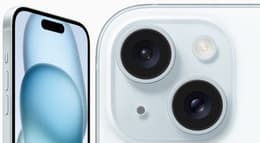
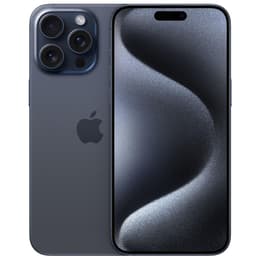
- Lens Configurations: The Google Pixel 9a features a dual-camera setup consisting of a wide primary sensor and an ultra-wide lens, handling everyday scenery and group photos efficiently. The iPhone 15 Pro Max equips a triple-lens array including an extended optical zoom teleprism lens, offering greater versatility for distant subjects.
- Low-Light and Processing: Both models utilize computational photography algorithms to brighten dark scenes, reduce digital noise, and preserve natural shadow detail during evening or indoor photography sessions.
- Video and Audio Performance: The iPhone 15 Pro Max supports professional video recording formats, stabilization modes, and spatial audio capture for multimedia projects. The Google Pixel 9a records sharp 4K video with reliable built-in stabilization and clear microphone pickup for calls and video messages.
Front camera
13 megapixels
12 megapixels
Miscellaneous
Practical everyday features, connectivity standards, and physical ergonomics dictate how comfortable each device feels during routine handling and travel.
- Connectivity and Ports: Both models support modern 5G cellular networks, Wi-Fi standards, and Bluetooth connections. The iPhone 15 Pro Max utilizes a reversible USB-C port supporting high-speed data transfers, while the Google Pixel 9a relies on standard USB-C connectivity for charging and wired accessory connections.
- Security and Sensors: The Google Pixel 9a provides under-display fingerprint authentication alongside facial recognition. The iPhone 15 Pro Max relies entirely on advanced facial mapping technology housed within the display cutout for secure device unlocking.
- Physical Dimensions: The Google Pixel 9a presents a lighter, more compact form factor that fits comfortably in smaller hands or pockets. The iPhone 15 Pro Max features a larger physical footprint and heavier weight, accommodating its expansive display real estate. Choosing a quality-assured refurbished option provides a sustainable choice for consumers wanting these capabilities with a reduced environmental footprint.
Weight
186 g
171 g
Screen size (in)
6.3
6.7
Network
5G
5G
SIM card
Physical SIM + eSIM
eSIM
Carrier compatibility
Unlocked
Unlocked
Connector
USB-C
USB-C (USB 3)
What the community thinks
User feedback from online communities highlights distinct preferences for each device based on real-world usage habits. Owners of the Google Pixel 9a frequently praise its comfortable lightweight handling, reliable battery endurance, and clean software interface. At the same time, some users note that its camera system lacks the extended optical reach found on larger flagship models. Conversely, users of the iPhone 15 Pro Max appreciate its expansive display quality, robust video recording features, and premium build materials, though some point out its heavier weight and larger footprint during one-handed use.
Users prioritizing a more compact, lightweight physical profile with straightforward everyday reliability will find the Google Pixel 9a well-suited to their needs. Meanwhile, users prioritizing a larger screen, advanced optical zoom photography, and ecosystem-specific integration may lean toward the iPhone 15 Pro Max. Opting for a quality-assured refurbished option offers an eco-friendly alternative for acquiring either model without compromising on performance or reliability. Ultimately, the choice depends on whether a user favors streamlined portability or expansive multimedia and camera versatility.