

Galaxy Z Fold6 Vs Google Pixel 9 Pro XL

Galaxy Z Fold6
Galaxy Z Fold6
Starting at

Refurbished price:750.00

Versus €1,973.53 new

See options
Google Pixel 9 Pro XL
Starting at

Refurbished price:475.00

Versus €1,298.07 new

See options

Ratings

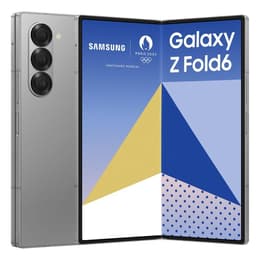
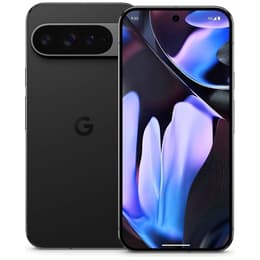
The Samsung Galaxy Z Fold6 (released July 2024) and the Google Pixel 9 Pro XL (released August 2024) represent distinct approaches to the premium smartphone experience. The Z Fold6 offers a unique foldable design that transforms from a traditional smartphone into a larger tablet-like display, emphasizing multitasking and immersive viewing. In contrast, the Pixel 9 Pro XL is a conventional slab smartphone, focusing on a top-tier camera system, extended software support, and a robust, traditional form factor. Both devices run on the Android operating system, providing a familiar software environment, but they cater to different user preferences regarding form factor and core strengths.

Scores

Durability

When considering the longevity of these devices, both the Galaxy Z Fold6 and the Pixel 9 Pro XL offer substantial software support and robust builds, though their repairability differs.

  • Software Longevity: Both the Galaxy Z Fold6 and the Pixel 9 Pro XL are committed to providing seven years of software updates, including OS upgrades and security patches. This ensures that users will receive new features and security enhancements for an extended period, keeping the devices current well into the future.
  • Physical Durability: The Galaxy Z Fold6 features Gorilla Glass Victus 3 on its outer screen and Ultra-Thin Glass (UTG) for the foldable display, alongside an aluminum frame and an IP48 water rating, offering protection against water and some solid ingress. The Pixel 9 Pro XL utilizes Gorilla Glass Victus 2 for its display and back panel, coupled with an IP68 rating for superior dust and water resistance.
  • Repairability: The repairability of the Galaxy Z Fold6 is considered low to moderate, with scores around 4.5 to 5 out of 10, primarily due to the complex foldable screen and extensive use of adhesive. The Pixel 9 Pro XL also presents challenges for repair, scoring around 3.5 to 5 out of 10, with strong adhesives making disassembly difficult and potentially damaging the display.

Year of Release

2024

2024

Compatible with latest Update

Yes

Yes

OS

Android

Android

Foldable

Yes

No

Performance

The performance of both smartphones is designed to handle demanding tasks, though they achieve this with different underlying hardware and exhibit varying real-world characteristics.

  • Processing Power: The Galaxy Z Fold6 is equipped with a current-generation processor optimized for Samsung devices, providing strong performance for multitasking and gaming. The Pixel 9 Pro XL features Google's custom-designed processor, which is engineered for efficient AI processing and smooth daily operation.
  • Multitasking and Responsiveness: With 12GB of RAM, the Galaxy Z Fold6 handles multiple applications and transitions smoothly, especially benefiting from its large foldable display for split-screen use. The Pixel 9 Pro XL, with 16GB of RAM, offers ample capacity for extensive multitasking and ensures a highly responsive user experience, even with numerous apps open simultaneously.
  • Battery Behavior: The Galaxy Z Fold6, with its 4400 mAh battery, typically provides about 1.5 days or 43 hours of usage, demonstrating efficient power management for a foldable device. The Pixel 9 Pro XL, housing a 5060 mAh battery, delivers excellent battery life, often lasting two days or around 49 hours on a single charge, making it suitable for heavy use.

Memory (GB)

12 GB

16 GB

Screen quality

The display technologies on these devices offer distinct visual experiences, catering to different user preferences for screen size and form factor.

  • Display Technology and Clarity: The Galaxy Z Fold6 features a 7.6-inch foldable Dynamic LTPO AMOLED 2X main display with a resolution of 1856x2160 pixels, offering vibrant colors and deep blacks. Its 6.3-inch cover display uses the same technology with a resolution of 968x2376 pixels. The Pixel 9 Pro XL boasts a 6.8-inch QHD+ LTPO OLED display with a resolution of 2992x1344 pixels, known for its sharp details and rich contrast.
  • Brightness and Refresh Rate: Both devices offer an adaptive refresh rate of 1-120Hz, ensuring smooth scrolling and animations while conserving power. The Galaxy Z Fold6's displays can reach a peak brightness of up to 2,600 nits, providing good visibility in bright outdoor conditions. The Pixel 9 Pro XL's display can achieve an even higher peak brightness of up to 3,000 nits, enhancing outdoor readability and HDR content viewing.
  • Viewing Experience: The Galaxy Z Fold6's large foldable screen provides an immersive experience for media consumption and productivity, allowing for a tablet-like interface. The Pixel 9 Pro XL offers a spacious and bright traditional smartphone display, ideal for users who prefer a large, high-quality single screen for all their content.

Resolution

1856 x 2160

1344 x 2992

Audiovisual

Both smartphones offer advanced camera systems, but they excel in different aspects of photography and videography, influenced by their hardware and software processing.

  • Rear Camera System: The Galaxy Z Fold6 features a versatile triple camera setup including a 50 MP wide-angle lens with optical image stabilization (OIS), a 12 MP ultra-wide lens, and a 10 MP telephoto lens with 3x optical zoom and OIS. The Pixel 9 Pro XL also comes with a triple camera system, comprising a 50 MP wide lens, a 48 MP ultrawide lens with autofocus, and a 48 MP telephoto lens offering 5x optical zoom and up to 30x Super Res Zoom.
  • Photography Performance: The Pixel 9 Pro XL is widely recognized for its exceptional photo quality, particularly its color accuracy, dynamic range, and low-light performance, often attributed to its advanced computational photography. The Galaxy Z Fold6 delivers good camera performance in well-lit conditions, but its sensors and overall output are generally considered to be a step below the top-tier traditional flagships.
  • Video and Selfie Capabilities: Both devices are capable of high-quality video recording. The Pixel 9 Pro XL features a 42 MP front-facing camera with autofocus, providing detailed selfies and improved video calls. The Galaxy Z Fold6 has a 10 MP cover screen camera and a 4 MP under-display camera on the main screen, with users often leveraging the superior rear cameras for selfies using the cover display as a viewfinder.

Front camera

4 megapixels

42 megapixels

Miscellaneous

Beyond their core features, both devices offer a range of practical elements that enhance their functionality and user experience.

  • Connectivity and Ports: Both the Galaxy Z Fold6 and the Pixel 9 Pro XL support 5G connectivity, ensuring fast mobile data speeds. They also include modern Wi-Fi standards, Bluetooth, and NFC for seamless wireless connections and mobile payments. Both devices utilize a USB-C port for charging and data transfer.
  • Biometric Security: The Galaxy Z Fold6 incorporates a fingerprint sensor for secure unlocking and authentication. The Pixel 9 Pro XL features an ultrasonic under-display fingerprint sensor, along with other useful sensors like an accelerometer, gyroscope, and barometer.
  • Design and Handling: The Galaxy Z Fold6, when folded, measures 153.5 x 68.1 x 12.1 mm and weighs 239g, offering a compact yet thicker profile. When unfolded, it expands to 153.5 x 132.6 x 5.6 mm, providing a large, thin display. The Pixel 9 Pro XL has dimensions of 162.8 x 76.6 x 8.5mm and weighs 221g, presenting a more traditional, yet substantial, smartphone form factor.

Weight

239 g

221 g

Screen size (in)

7.6

6.8

Network

5G

5G

SIM card

Physical SIM + eSIM

Physical SIM + eSIM

Carrier compatibility

Unlocked

Unlocked

Connector

USB-C

USB-C

The Samsung Galaxy Z Fold6 and the Google Pixel 9 Pro XL cater to different user priorities, each offering a compelling smartphone experience. User sentiment for the Galaxy Z Fold6 often highlights its innovative foldable design, which provides unparalleled multitasking capabilities and a large, immersive display for media consumption. Users appreciate the refined build and the ability to use the superior rear cameras for high-quality selfies by utilizing the cover screen. However, some users note that the outer screen can still feel narrow for comfortable typing, and while the cameras are good, they may not match the absolute best traditional flagships. Performance, while strong, can sometimes be affected by thermal management in demanding scenarios.

The Google Pixel 9 Pro XL receives consistent praise for its exceptional camera system, particularly its ability to capture stunning photos with excellent detail and color accuracy, even in challenging conditions. Its long-lasting battery life is another frequently lauded feature, often providing multi-day usage for many users. The device's premium design and extensive software support are also strong points. Criticisms sometimes point to its processing power, which, while smooth in daily use, may not always benchmark as high as some competitors. Its large size, while offering an expansive display, might be a consideration for users preferring a more compact device.

Users prioritizing a versatile, tablet-like experience for productivity and immersive viewing, along with a unique form factor, may find the Galaxy Z Fold6 well-suited to their needs. Those who value a top-tier camera, extended battery life, and a streamlined, AI-enhanced software experience in a traditional smartphone design will likely lean towards the Google Pixel 9 Pro XL. Both devices offer a quality-assured refurbished option, providing an eco-friendly alternative for consumers.


See all articles

Our recent comparisons







