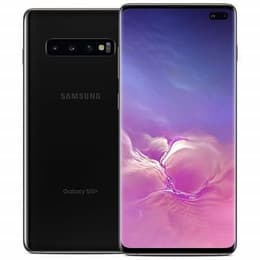
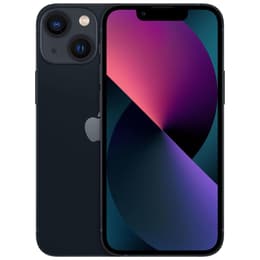


Galaxy S10+ Vs iPhone 13 mini

Galaxy S10+
Galaxy S10+
Starting at

Refurbished price:135.00

Versus €1,009.00 new

See options
iPhone 13 mini
iPhone 13 mini
Starting at

Refurbished price:228.00

Versus €829.00 new

See options

Ratings

The Samsung Galaxy S10 Plus, released in March 2019, and the iPhone 13 Mini, launched in September 2021, represent distinct approaches to smartphone design and user experience. While both offer premium features, they cater to different preferences, primarily differing in their operating systems, physical dimensions, and release timelines. The Galaxy S10 Plus operates on the Android platform, offering a larger form factor, while the iPhone 13 Mini runs on iOS, providing a compact and powerful experience.

Scores

Durability

The practical lifespan of a smartphone is influenced by its initial release date, software support, and physical resilience.

  • Software Longevity: The iPhone 13 Mini, released in September 2021, benefits from a more recent launch, ensuring a longer period of major iOS updates, typically extending for five to six years from its release. In contrast, the Galaxy S10 Plus, launched in March 2019, has received its final major Android operating system updates, concluding its official software support cycle. This means the iPhone 13 Mini will continue to receive security patches and new features for a longer duration.
  • Physical Durability: Both devices feature robust construction. The Galaxy S10 Plus incorporates Corning Gorilla Glass 6 on its front and Gorilla Glass 5 on its back, paired with an aluminum frame. It also carries an IP68 rating for dust and water resistance. The iPhone 13 Mini features Apple's Ceramic Shield on the front, which offers enhanced drop performance, along with a glass back and an aluminum frame. It also boasts an IP68 rating, allowing for submersion in water up to 6 meters for 30 minutes.
  • Repairability: While specific repairability scores can vary, older Android flagships like the Galaxy S10 Plus may offer more accessible component replacement for certain repairs due to their design and the wider availability of third-party parts. The iPhone 13 Mini, while designed with some repairability in mind, often involves proprietary components that can make repairs more specialized.

Year of Release

2019

2021

Compatible with latest Update

No

Yes

OS

Android

iOS

Foldable

No

No

Performance

Evaluating the performance of these two devices involves considering their internal components and how they translate to real-world usage, particularly given their different release dates and operating systems.

  • Storage and Expandability: The Galaxy S10 Plus offers a range of internal storage options including 128 GB, 512 GB, and 1 TB, with the added flexibility of expandable storage via a microSD card. The iPhone 13 Mini comes with internal storage options of 128 GB, 256 GB, and 512 GB, but does not support expandable storage.
  • Everyday Responsiveness: The iPhone 13 Mini, equipped with a more recent and highly efficient processor, delivers exceptionally smooth performance for daily tasks, app loading, and demanding applications. Its optimized operating system ensures fluid navigation and quick transitions. The Galaxy S10 Plus, while featuring a powerful flagship processor from its era and ample RAM configurations (8 GB or 12 GB), still provides a responsive experience for most users, though it may exhibit slight delays in comparison to newer devices when handling intensive tasks.
  • Battery Performance: The Galaxy S10 Plus houses a 4100 mAh battery, which generally provides sufficient power for a full day of moderate to heavy use. The iPhone 13 Mini, with its smaller 2406 mAh battery, is designed to be energy-efficient due to its compact display and advanced processor. For average users, it can last a full day, but heavy usage, particularly with demanding applications or extensive media consumption, may necessitate more frequent charging.

Memory (GB)

8 GB

4 GB

Screen quality

The visual experience on both devices is shaped by their display technology, size, and resolution, catering to different user preferences for immersion versus portability.

  • Display Technology and Clarity: The Galaxy S10 Plus features a 6.4-inch Dynamic AMOLED display with a resolution of 3040 x 1440 pixels, resulting in a pixel density of approximately 522 pixels per inch (ppi). This provides a highly detailed and vibrant viewing experience. The iPhone 13 Mini sports a 5.4-inch Super Retina XDR OLED display with a resolution of 2340 x 1080 pixels, offering a pixel density of about 476 ppi. Both OLED panels deliver deep blacks and excellent contrast.
  • Brightness and Color: Both displays offer strong brightness levels and accurate color reproduction. The iPhone 13 Mini can reach a typical maximum brightness of 800 nits and a peak HDR brightness of 1200 nits, ensuring good visibility even in bright outdoor conditions. The Galaxy S10 Plus also supports HDR10+, providing a wide color gamut and high contrast for compatible content.
  • Viewing Experience: The larger 6.4-inch display of the Galaxy S10 Plus, with its curved edges, offers a more expansive and immersive viewing experience, particularly for media consumption and multitasking. The iPhone 13 Mini's 5.4-inch display prioritizes one-handed usability and portability, making it suitable for users who prefer a more compact device.

Resolution

1440 x 3040

1080 x 2340

Screen type

Dynamic AMOLED

Super Retina XDR OLED

Audiovisual

Both smartphones offer capable camera systems, though their configurations and computational photography capabilities reflect their respective release generations.

  • Rear Camera System: The Galaxy S10 Plus features a versatile triple-camera setup on the rear, comprising a 12 MP wide-angle lens, a 12 MP telephoto lens with 2x optical zoom, and a 16 MP ultra-wide-angle lens. This provides flexibility for various shooting scenarios, including zoomed-in shots. The iPhone 13 Mini is equipped with a dual-camera system on the rear, featuring a 12 MP wide-angle lens with sensor-shift optical image stabilization and a 12 MP ultra-wide-angle lens.
  • Front Camera and Photography Features: For selfies, the Galaxy S10 Plus includes a dual front camera system with a 10 MP wide-angle lens and an 8 MP depth sensor, enabling enhanced portrait effects. The iPhone 13 Mini has a 12 MP front-facing camera that supports advanced features like Portrait mode and Cinematic mode for video. The iPhone 13 Mini benefits from newer computational photography algorithms, which can lead to improved image processing, especially in challenging lighting conditions.
  • Video Recording: Both devices are capable of recording 4K video. The iPhone 13 Mini offers Cinematic mode, which provides a shallow depth of field effect, and supports HDR video recording with Dolby Vision up to 4K at 60 frames per second. The Galaxy S10 Plus can record 4K video at 60 frames per second and supports HDR10+.

Main camera

12 megapixels

12 megapixels

Front camera

10 megapixels

12 megapixels

Miscellaneous

Beyond core performance, several practical elements contribute to the overall user experience and differentiate these two devices.

  • Connectivity and Ports: The iPhone 13 Mini supports 5G cellular connectivity, offering faster download and upload speeds in compatible areas, alongside Wi-Fi 6 and Bluetooth 5.0. It utilizes Apple's proprietary Lightning port for charging and data transfer. The Galaxy S10 Plus supports 4G LTE, Wi-Fi 6, and Bluetooth 5.0. It features a USB-C port, which is a widely adopted standard, and notably includes a 3.5mm headphone jack, a feature absent on the iPhone 13 Mini.
  • Biometric Security: The Galaxy S10 Plus incorporates an ultrasonic in-display fingerprint sensor for secure unlocking and authentication, alongside traditional face recognition. The iPhone 13 Mini relies solely on Face ID, Apple's facial recognition system, for biometric security.
  • Form Factor and Materials: The iPhone 13 Mini is a significantly more compact and lighter device, measuring 131.5 x 64.2 x 7.65 mm and weighing 141 grams, making it ideal for one-handed use and portability. The Galaxy S10 Plus is larger at 157.6 x 74.1 x 7.8 mm and weighs 175 grams, offering a more substantial feel and screen real estate. Both devices feature aluminum frames and glass backs, with the iPhone 13 Mini having a Ceramic Shield front for enhanced durability.

Weight

175 g

140 g

Width

7,41 cm

6,42 cm

Height

15.76 cm

13,15 cm

Depth

0,78 cm

0,75 cm

Screen size (in)

6.4

5.4

Network

4G

5G

SIM card

Physical SIM

Physical SIM + eSIM

Carrier compatibility

Unlocked

Unlocked

Connector

USB-C + Jack 3.5mm

Lightning

The Samsung Galaxy S10 Plus and the iPhone 13 Mini cater to distinct user needs, reflecting their different design philosophies and ecosystems. User sentiment for the Galaxy S10 Plus often highlights its expansive and vibrant display, versatile triple-camera system with a dedicated telephoto lens, and the convenience of a 3.5mm headphone jack and expandable storage. Criticisms sometimes point to its software update longevity compared to newer devices.

Conversely, the iPhone 13 Mini is frequently praised for its remarkably compact size, powerful performance in a small form factor, and its advanced camera capabilities, particularly for still photography and video features like Cinematic mode. Some users, however, find its smaller screen size less ideal for extensive media consumption or multitasking, and its battery life, while efficient for its size, may require more frequent charging for heavy users.

Users prioritizing a larger, immersive display, the flexibility of expandable storage, and the Android operating system will find the Galaxy S10 Plus well-suited to their needs. Its comprehensive camera system and traditional headphone jack also appeal to those who value these features. On the other hand, users who value a highly portable device that excels in performance, offers a long period of software support, and integrates seamlessly into the iOS ecosystem will likely lean towards the iPhone 13 Mini. Its advanced camera features and compact design make it a strong contender for those seeking a powerful smartphone that fits comfortably in a smaller hand or pocket.

Both devices, whether new or as quality-assured refurbished options, offer compelling features for different user profiles, allowing for informed and sustainable choices.


See all articles

Our recent comparisons







