
Samsung

Compare models
Differences at a glance
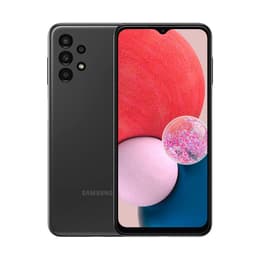
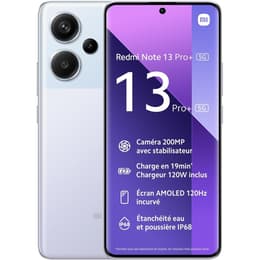
The Samsung Galaxy A13, released in March 2022, and the Xiaomi Redmi Note 13 Pro+, launched in January 2024, represent different generations within the smartphone market. While both devices aim to provide a comprehensive mobile experience, the Redmi Note 13 Pro+ introduces more advanced display technology, a more capable camera system, and faster charging capabilities compared to the Galaxy A13. Both operate on the Android ecosystem, offering a wide range of applications and customisation options.
Colour
Storage
The longevity of a smartphone is influenced by its release timeline, software support, and physical durability.
Year of Release
Compatible with latest Update
OS
Foldable
Performance in daily use is a key differentiator, affecting how smoothly applications run and how efficiently tasks are handled.
The display is a primary interface for user interaction, and differences in technology and specifications significantly impact the visual experience.
Resolution
Screen type
Camera capabilities vary between these two smartphones, impacting the quality and versatility of photos and videos.
Main camera
Front camera
Beyond core features, several practical elements contribute to the overall user experience and device utility.
Weight
Screen size (in)
Network
SIM card
Carrier compatibility
The Samsung Galaxy A13 and Xiaomi Redmi Note 13 Pro+ cater to different user needs and expectations, largely due to their respective release dates and target segments. Users often praise the Galaxy A13 for its strong battery life and decent main camera performance in well-lit conditions. However, common criticisms include its less powerful processor, which can lead to performance slowdowns over time, and the limited utility of its secondary cameras. The Redmi Note 13 Pro+, on the other hand, receives commendation for its vibrant AMOLED display, robust performance for demanding tasks, impressive main camera, and exceptionally fast charging. Some users note that its battery life, while good, might not be as outstanding as expected given its capacity, and the secondary cameras are not as strong as the main one.
Users prioritizing extended software support, a more fluid visual experience, and faster performance for gaming or heavy multitasking may find the Xiaomi Redmi Note 13 Pro+ better suited to their needs. Its IP68 rating and more durable screen protection also appeal to those seeking enhanced resilience. Conversely, individuals looking for a device with a high repairability score and reliable battery life for essential daily communication and light usage might lean towards the Samsung Galaxy A13. Both devices offer a gateway to the Android ecosystem, and choosing a quality-assured refurbished option for either model can be a sustainable choice for consumers.










