

Compare models
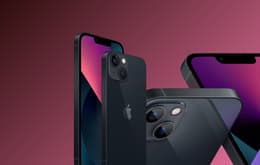
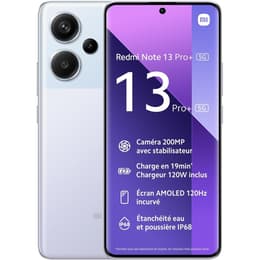
Xiaomi Redmi Note 13 4G Vs Xiaomi Redmi Note 13 Pro+
- 1-year minimum warranty
- Free delivery on all orders
- Free 30-day returns
Differences at a glance
The Xiaomi Redmi Note 13 4G and the Xiaomi Redmi Note 13 Pro+ are mid-range smartphones designed to offer reliable everyday technology with distinct capability tiers. While both models share a 2023-2024 release window and a large screen format, the Note 13 4G caters to essential mobile needs, whereas the Pro+ introduces advanced processing power, higher-tier build durability, and faster charging architecture.
Available Models
Colour
Storage
Scores
Durability
Both smartphones provide dependable software longevity and construction standards, though the Pro+ includes higher dust and water resistance ratings for intensive environment usage.
- Software longevity: Both devices receive regular operating system and security updates to keep software modern, with the Pro+ featuring a slightly more robust hardware foundation to handle future software updates smoothly.
- Build durability: The Redmi Note 13 4G includes basic splash protection, while the Redmi Note 13 Pro+ features advanced water and dust resistance certification, adding resilience against accidental immersion.
- Expected lifespan: Both units house durable internal components capable of supporting multi-year daily use when paired with a quality-assured refurbished option from sustainable distributors like Back Market.
Year of Release
2024
2023
Compatible with latest Update
Yes
Yes
OS
Android
Android
Foldable
No
No
Performance
Daily speed and multitasking capabilities differ significantly between the two models due to their contrasting internal hardware architectures and memory capacities.
- Processing speed: The Redmi Note 13 4G handles everyday tasks like web browsing and messaging smoothly, while the Pro+ manages demanding applications, heavy multitasking, and intensive gaming with rapid response times.
- Battery behavior: Both phones include large capacity batteries designed to last through a full day of standard use, but the Pro+ supports exceptionally rapid charging technology to minimize downtime.
- Storage capacity: The Note 13 4G offers flexible configurations alongside expandable storage via a memory card slot, whereas the Pro+ provides higher internal storage tiers with faster data read speeds.
Screen quality
Viewing experiences across both handsets rely on vibrant display technology, though sharpness levels and peak luminance vary between the two versions.
- Display technology: Both models utilize AMOLED screens that deliver deep black levels and vivid colors, complemented by a smooth 120Hz refresh rate for fluid scrolling.
- Resolution and clarity: The Pro+ features a higher resolution panel that sharpens text and fine image details more precisely than the standard 1080p resolution on the 4G model.
- Outdoor visibility: Both screens reach high brightness levels for comfortable outdoor viewing, with the Pro+ achieving higher peak luminance to combat direct sunlight glare.
Resolution
1080 x 2400
1220 x 2712
Screen type
AMOLED
AMOLED
Audiovisual
Photography and media consumption capabilities vary, giving users different options for capturing daily moments and enjoying audio-visual content.
- Camera systems: The Note 13 4G is equipped with a high-resolution main sensor for clear daylight snapshots, while the Pro+ features an ultra-high-resolution main sensor with advanced stabilization for sharper low-light photography.
- Video recording: The Pro+ supports higher resolution video capture and superior stabilization options, whereas the standard model handles basic 1080p video recording adequately.
- Audio output: Both devices feature stereo speakers that deliver clear sound for hands-free calls and casual media streaming, with the standard model retaining a traditional headphone jack.
Main camera
108 megapixels
200 megapixels
Front camera
16 megapixels
16 megapixels
Miscellaneous
Physical design traits and connectivity standards establish distinct handling characteristics and accessory compatibility for each phone.
- Connectivity standards: The Redmi Note 13 4G relies on standard 4G networks and Wi-Fi, whereas the Pro+ incorporates modern 5G connectivity for faster cellular data speeds.
- Physical dimensions: Both phones share a similar large screen footprint, though the Pro+ carries a slightly heavier weight profile due to its reinforced internal components and curved glass build.
- Security features: Both models integrate responsive in-display fingerprint sensors and facial recognition options for secure and quick device unlocking.
Weight
189 g
204 g
Screen size (in)
6.67
6.67
Network
4G
5G
SIM card
Dual Physical SIM
Dual Physical SIM
Carrier compatibility
Unlocked
Unlocked
Connector
USB-C
USB-C
What the community thinks
User feedback on community forums highlights the Redmi Note 13 4G for its reliable daily performance, headphone jack inclusion, and crisp screen quality relative to its tier. Common criticisms focus on limited gaming capabilities and slower charging speeds. Conversely, users praise the Redmi Note 13 Pro+ for its rapid charging speeds, premium screen resolution, and fluid multitasking performance, though some note the heavier build and lack of expandable storage as minor drawbacks.
Users prioritizing extended battery charging speed, advanced processing power, and 5G connectivity will find the Xiaomi Redmi Note 13 Pro+ well-suited to their daily routines. Meanwhile, users looking for an economical everyday device that retains a headphone jack and expandable storage may prefer the Xiaomi Redmi Note 13 4G. Choosing a quality-assured refurbished device provides an eco-friendly way to access either model while reducing electronic waste.