

Compare models
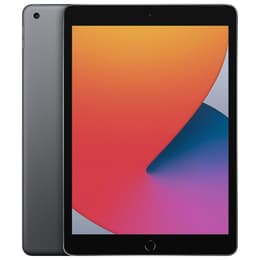
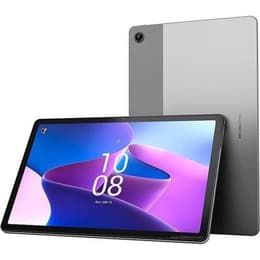
iPad 8 (2020, A12 series) Vs Lenovo Tab M10 Gen 3 (10.1", 2022)
- 1-year minimum warranty
- Free delivery on all orders
- Free 30-day returns
Differences at a glance
The iPad 8 (2020) and the Lenovo Tab M10 Gen 3 (2022) are popular entry-level tablets designed for everyday household and media consumption tasks. While the iPad 8 runs on Apple's tablet operating system with an emphasis on app ecosystem stability, the Lenovo Tab M10 Gen 3 operates on the Android platform, providing a flexible interface for media streaming and basic web browsing. Choosing between these two devices depends largely on preferred operating systems and specific daily routines.
Available Models
Colour
Storage
Scores
Durability
When examining hardware longevity and software support, these two tablets follow different update cycles and structural design philosophies.
- Software Support Duration: The iPad 8 receives system updates directly from Apple over a prolonged span, whereas the Lenovo Tab M10 Gen 3 follows typical Android update schedules with a shorter window of security patches.
- Repairability and Build: Both devices feature solid construction, though the iPad 8 benefits from a widespread network of service providers, supporting long-term usability as a quality-assured refurbished option for eco-conscious users.
- Expected Lifespan: Processing overhead on the iPad 8 allows it to retain functional capability over many years, while the Lenovo model handles everyday reading and streaming reliably within its designated support window.
Year of Release
2020
2022
Compatible with latest Update
Yes
No
OS
iPadOS
Android
Performance
Daily responsiveness and multitasking capabilities vary significantly due to the underlying hardware specifications of each tablet.
- App Loading and Multitasking: The iPad 8 handles demanding applications, graphic-heavy software, and split-screen multitasking with minimal stutter, whereas the Lenovo Tab M10 Gen 3 is best suited for single-task browsing, video streaming, and light reading.
- Storage and Memory: Both models are available in multiple storage configurations, though users working with large files or downloading media for offline use will find higher-capacity tiers beneficial on either platform.
- Battery Behavior: Each tablet offers enough battery capacity to get through a typical day of mixed web browsing and video playback, though heavy gaming will deplete the iPad 8 more quickly due to its high-performance demands.
Screen quality
Visual output and display characteristics shape the media consumption and reading experience on both of these portable screens.
- Display Technology: The iPad 8 features a standard liquid crystal display with bright output and accurate colors, while the Lenovo Tab M10 Gen 3 utilizes a similar display technology scaled for widescreen video viewing.
- Resolution and Clarity: Both screens provide sharp text rendering for e-books and web pages, though the iPad 8 offers a slightly taller aspect ratio suited for productivity documents.
- Outdoor Usability: Maximum brightness levels on both devices allow for indoor use and shaded outdoor viewing, though direct sunlight can create glare on both glass surfaces.
Resolution
2160 x 1620
1200 x 1920
Screen type
Retina display
IPS LCD
Pixel density
264ppp
230ppp
Audiovisual
Optics and audio reproduction serve different roles for casual snapshots, video calls, and media playback on these tablets.
- Camera System Capabilities: Both tablets include a basic rear camera suitable for scanning documents and a front-facing camera positioned for video calls and online meetings.
- Video and Audio Output: Speaker setups on both models deliver clear voice audio for virtual meetings, while media consumption benefits from external headphones or Bluetooth speakers for richer sound depth.
- Call Quality: Microphone arrays on each device capture speech clearly during video conferencing applications in quiet environments.
Miscellaneous
Physical dimensions, weight, and peripheral connectivity options influence how easily these tablets fit into daily routines and travel bags.
- Port Types and Charging: The iPad 8 uses a proprietary cable connection for power and data transfer, whereas the Lenovo Tab M10 Gen 3 adopts a standard reversible connection type for universal charging compatibility.
- Connectivity Features: Both models offer wireless internet connectivity, with certain configurations providing cellular data support for users needing internet access away from home networks.
- Weight and Dimensions: The lightweight design of the Lenovo Tab M10 Gen 3 makes it comfortable for extended reading sessions, while the iPad 8 offers a slightly heavier, rigid aluminum chassis.
Weight
490 g
420 g
Screen size (in)
10.2
10.1
Network
Wi-Fi
Wi-Fi + 4G
Carrier compatibility
Without SIM Port
Unlocked
What the community thinks
User discussions and community feedback indicate that both tablets serve distinct purposes depending on user preferences. Owners of the iPad 8 frequently praise its reliable application performance, long-term software support, and extensive library of tablet-optimized programs. However, some users note that the older bezel design and limited base storage configurations can feel restrictive over time. On the other hand, users of the Lenovo Tab M10 Gen 3 appreciate its lightweight build, expandable storage options via memory cards, and straightforward Android interface. Criticisms for the Lenovo model typically center on occasional stutter during heavy multitasking and a shorter software update lifecycle.
Users prioritizing long-term software updates, smooth application performance, and a vast selection of tablet software will find the iPad 8 well-suited to their needs. Meanwhile, users prioritizing media streaming, expandable storage, and a lightweight reading device may lean toward the Lenovo Tab M10 Gen 3. Selecting either model as a sustainable, quality-assured refurbished device provides an eco-friendly alternative for everyday digital tasks. Ultimately, the choice rests on matching personal workflow habits and operating system preferences with the specific strengths of each platform.