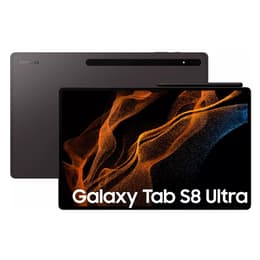
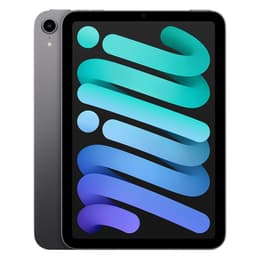


Galaxy Tab S8 (11.0", 2022) Vs iPad mini 6 (2021, A15 series)

Galaxy Tab S8 (11.0", 2022)
Starting at

Refurbished price:332.00

Versus €745.19 new

See options
iPad mini 6 (2021, A15 series)
Starting at

Refurbished price:313.00

Versus €669.00 new

See options

Ratings

The Samsung Galaxy Tab S8, released in 2022, and the Apple iPad Mini (6th generation), launched in 2021, represent distinct approaches to the modern tablet experience. While both offer powerful performance and versatile functionality, they cater to different user preferences through their operating systems, screen sizes, and integrated features. The Tab S8 operates on Android with Samsung's One UI, providing a larger display and an included stylus, whereas the iPad Mini runs on Apple's iPadOS, emphasizing portability and a compact form factor. These core differences influence everything from daily usability to long-term software support.

Scores

Durability

When considering the longevity of these devices, both tablets offer substantial software support and a robust build, though their ecosystems approach updates differently.

  • Software Support: The Galaxy Tab S8, launched with Android 12, is promised to receive four Android OS updates and five years of security updates, extending its support until approximately 2026 for OS updates and 2027 for security patches. The iPad Mini (6th generation), released with iPadOS 15, typically benefits from Apple's longer software support cycles, often receiving major iPadOS updates for five to eight years from its release. This suggests the iPad Mini may receive software updates for a longer duration than the Tab S8.
  • Practical Lifespan: Both tablets are built with durable materials, featuring aluminum frames and glass fronts. The practical lifespan for either device extends beyond official software support, as they will continue to function for general tasks even after updates cease. However, the availability of the latest apps and security features will eventually be limited.
  • Repairability: The iPad Mini 6th generation has a repairability score of 3 out of 10, indicating it can be challenging to repair due to components like the display being difficult to access. The Galaxy Tab S8 has a slightly higher repairability score of 5.5 out of 10, suggesting it may be somewhat easier to service.

Year of Release

2022

2021

Compatible with latest Update

Yes

Yes

OS

Android

iPadOS

Performance

Both tablets deliver strong performance for a variety of tasks, though they achieve this through different hardware and software optimizations.

  • Processing Power: The Galaxy Tab S8 is equipped with a current-generation processor from its release year, enabling it to handle demanding applications, multitasking, and graphic-intensive games smoothly. The iPad Mini (6th generation) features a powerful chip that provides exceptional responsiveness and efficiency, making it well-suited for complex tasks and ensuring a fluid user experience.
  • Multitasking and Responsiveness: The Tab S8 offers 8GB of RAM, contributing to its ability to manage multiple applications simultaneously without significant slowdowns. The iPad Mini, while having 4GB of RAM, is highly optimized by iPadOS to deliver efficient multitasking and quick app switching, maintaining a responsive feel.
  • Storage and Battery: Both devices are available with 64GB or 256GB storage options. In terms of battery, the Galaxy Tab S8 generally offers a longer battery life, with tests showing it lasting over 12 hours of continuous web surfing. The iPad Mini typically provides around 10 hours of general use, which is sufficient for a full day for many users.

Memory (GB)

8 GB

4 GB

Screen quality

The display experience on these two tablets differs significantly due to their size, technology, and refresh rates.

  • Display Technology and Size: The Galaxy Tab S8 features an 11-inch LTPS TFT LCD display with a resolution of 2560 x 1600 pixels, offering a larger viewing area. The iPad Mini (6th generation) has a more compact 8.3-inch Liquid Retina IPS LCD display with a resolution of 2266 x 1488 pixels, resulting in a higher pixel density for its size.
  • Refresh Rate and Smoothness: The Tab S8 boasts a 120Hz adaptive refresh rate, which provides smoother scrolling and a more fluid visual experience, particularly noticeable in gaming and fast-paced content. The iPad Mini has a standard refresh rate, which some users have noted can exhibit a 'jelly scrolling' effect, where one side of the screen refreshes slower than the other during vertical scrolling.
  • Brightness and Clarity: Both displays offer good brightness levels, with the iPad Mini reaching 500 nits, making them suitable for indoor and outdoor use. The Tab S8's display is described as bright and colorful, providing a clear viewing experience.

Resolution

1600 x 2560

2266 x 1488

Screen type

TFT LCD

Liquid Retina display

Pixel density

280ppp

326ppp

Audiovisual

While tablets are not typically primary photography devices, both the Galaxy Tab S8 and iPad Mini offer capable camera systems for video calls and casual photography.

  • Rear Camera System: The Galaxy Tab S8 includes a dual-camera setup on the rear, featuring a 13MP wide-angle lens and a 6MP ultra-wide lens, capable of recording 4K video at 60 frames per second. The iPad Mini (6th generation) has a single 12MP wide-angle rear camera with autofocus, also supporting 4K video recording at up to 60 frames per second.
  • Front Camera and Video Conferencing: Both tablets feature a 12MP ultra-wide front-facing camera. The iPad Mini's front camera supports Apple's Center Stage feature, which automatically keeps the user centered in the frame during video calls. The Tab S8 also offers a similar auto-framing feature for video conferencing.
  • Audio Experience: The Galaxy Tab S8 is equipped with quad stereo speakers with Dolby Atmos support, providing a rich audio experience. The iPad Mini also features stereo speakers, enhancing media consumption.

Miscellaneous

Beyond core specifications, several practical elements differentiate the user experience of these two tablets.

  • Connectivity: Both devices support modern connectivity standards. The Galaxy Tab S8 offers Wi-Fi 6E and Bluetooth 5.2, with some variants supporting 5G. The iPad Mini (6th generation) supports Wi-Fi 6 and Bluetooth 5.0, and is also available in 5G-enabled cellular models.
  • Ports and Biometrics: Both tablets utilize a USB-C port for charging and data transfer. For security, both feature a side-mounted fingerprint sensor integrated into the power button.
  • Stylus Integration: A significant differentiator is the included S Pen with the Galaxy Tab S8, offering a natural writing and drawing experience right out of the box. The iPad Mini supports the Apple Pencil 2nd generation, which attaches magnetically and charges wirelessly, but it is sold separately.
  • Design and Portability: The Galaxy Tab S8 measures 253.8 x 165.3 x 6.3mm and weighs around 503g (Wi-Fi model), offering a larger tablet experience. The iPad Mini is considerably more compact and lighter at 195.4 x 134.8 x 6.3mm and approximately 293g (Wi-Fi model), making it highly portable and suitable for one-handed use.

Weight

507 g

293 g

Screen size (in)

11.0

8.3

Network

Wi-Fi + 5G

Wi-Fi

Carrier compatibility

Unlocked

Without SIM Port

User feedback for both the Galaxy Tab S8 and iPad Mini (6th generation) highlights their respective strengths and some areas for consideration. The Galaxy Tab S8 is often praised for its vibrant display, robust performance, and the inclusion of the S Pen, making it a strong contender for productivity and creative tasks within the Android ecosystem. Some users appreciate its longer battery life and the versatility offered by Samsung's DeX mode, which provides a desktop-like experience. Criticisms sometimes point to the Android tablet app ecosystem not being as optimized as iPadOS for certain professional applications.

The iPad Mini (6th generation) receives acclaim for its exceptional portability, powerful performance for its size, and access to a vast array of tablet-optimized applications within iPadOS. Its compact design makes it ideal for reading, note-taking, and on-the-go content consumption. However, some users have reported concerns regarding battery drain in standby mode and the 'jelly scrolling' effect on its display. The separate purchase of the Apple Pencil is also a factor for those seeking stylus functionality.

Users prioritizing a larger screen, an included stylus for creative work, and the flexibility of the Android operating system will find the Galaxy Tab S8 well-suited to their needs. Conversely, individuals who value extreme portability, a highly refined app ecosystem, and a compact form factor for reading and casual use may lean toward the iPad Mini. Both devices offer compelling experiences, and choosing between them often comes down to personal preference for operating system and desired screen size. For those looking for an eco-friendly and quality-assured alternative, considering refurbished options for either tablet can be a practical choice.

See all articles

Our recent comparisons






