
iPhone

Compare models
Differences at a glance
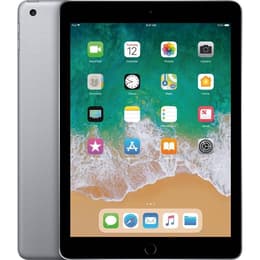
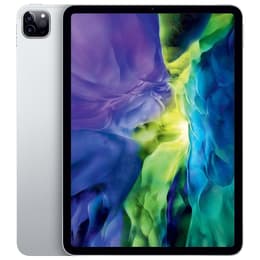
The iPad 2017, released in March 2017, and the iPad Pro 2020, launched in March 2020, represent distinct tiers within Apple's tablet lineup. While both devices operate on Apple's iPadOS, the iPad Pro 2020 introduces significant advancements in processing power, display technology, and camera capabilities, positioning it as a more capable device for demanding tasks. The iPad 2017, on the other hand, served as a more accessible entry point into the iPad ecosystem.
Colour
Storage
The longevity of a tablet is often tied to its software support and physical resilience. The iPad 2017, having been released earlier, has naturally reached a more mature stage in its software lifecycle compared to the iPad Pro 2020.
Year of Release
Compatible with latest Update
OS
Maximum Operating System supported
Performance is a key differentiator between these two tablets, reflecting the three-year gap in their release and their intended user bases. The iPad Pro 2020 offers a substantial upgrade in raw power and efficiency.
Processor
The visual experience on these two iPads presents notable differences, particularly in terms of display technology and advanced features.
Resolution
True Tone
Pro-Motion
Screen type
Pixel density
Brightness
Speakers
The camera systems on these two iPads cater to different expectations, with the iPad Pro 2020 offering a more versatile and advanced setup.
Beyond core performance and display, several practical elements distinguish the iPad 2017 and iPad Pro 2020, impacting their usability and compatibility with accessories.
Weight
Width
Height
Depth
Screen size (in)
Network
Carrier compatibility
Wi-Fi technology
Bluetooth Version
Face ID
Touch ID
Connector
Choosing between the iPad 2017 and the iPad Pro 2020 involves weighing significant differences in performance, features, and long-term usability. User feedback often praises the iPad 2017 for its reliability and continued functionality for basic tasks, even years after its release. Many users found it to be a solid, no-frills tablet for media consumption, web browsing, and light productivity. Criticisms often centered on its aging processor and display technology when compared to newer models, particularly for more demanding applications.
The iPad Pro 2020, conversely, is frequently lauded for its powerful performance, advanced Liquid Retina display with ProMotion, and versatile camera system including the LiDAR scanner. Users appreciate its capability for professional-grade tasks like graphic design, video editing, and augmented reality applications, often noting its ability to serve as a laptop replacement when paired with accessories like the Magic Keyboard. Common concerns, while fewer, sometimes touch upon the increased complexity and cost of its ecosystem.
Users prioritizing a device for everyday tasks such as web browsing, email, streaming content, and light note-taking may find the iPad 2017 still meets their needs, especially if seeking a straightforward tablet experience. However, for individuals who require robust performance for creative work, advanced multitasking, or a more immersive visual experience, the iPad Pro 2020 is better suited. Its superior display, camera capabilities, and USB-C connectivity make it a more future-proof option for professionals, students, or anyone looking to push the boundaries of tablet computing. Considering a quality-assured refurbished option for either model can be an eco-friendly alternative to extend the life of these devices and make an informed, sustainable choice.