
iPhone

Compare models
Differences at a glance
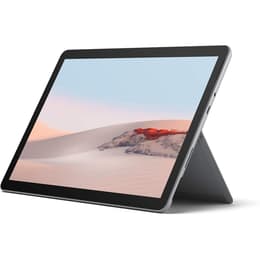
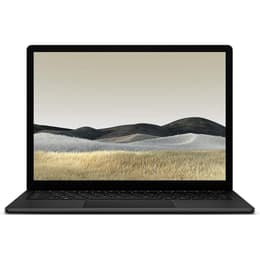
The Microsoft Surface Go 2, released in 2020, is a versatile 2-in-1 tablet-laptop hybrid designed for portability and everyday tasks. In contrast, the Microsoft Surface Laptop 3 13, launched in 2019, is a traditional clamshell laptop built for more robust productivity. Both devices operate on the Windows platform, offering a familiar user experience, but they cater to different needs through their distinct form factors and performance capabilities.
Storage
Processor
Memory
When considering the long-term usability of these devices, their release timelines and inherent design philosophies play a significant role.
Year of Release
OS
The performance capabilities of the Surface Go 2 and Surface Laptop 3 are tailored to different user demands, primarily influenced by their internal components and thermal designs.
Graphic card
Both Surface devices offer high-quality displays, but their sizes and pixel densities differ, impacting the viewing experience.
The audio and visual capabilities of these devices are designed with different primary uses in mind, particularly concerning their camera systems and speaker output.
Beyond core performance and display, several practical elements differentiate the Surface Go 2 and Surface Laptop 3, influencing their daily usability.
Weight
Screen size
The Microsoft Surface Go 2 and Surface Laptop 3 13 cater to distinct user needs, each excelling in different areas based on their design and capabilities.
The Surface Go 2 is frequently praised by users for its exceptional portability, clear display, and surprisingly capable cameras, making it a strong contender for on-the-go use and video conferencing. However, some users note that its base models can feel underpowered for anything beyond basic tasks, and the smaller keyboard may require an adjustment period. Battery life, while improved from its predecessor, can also be inconsistent for heavy users.
Conversely, the Surface Laptop 3 13 garners appreciation for its premium build quality, comfortable keyboard and trackpad, and robust performance for everyday productivity and moderate workloads. Its speakers are also frequently highlighted for their audio quality. Common criticisms include a somewhat limited port selection, particularly the absence of Thunderbolt support, and a display that can be reflective in bright conditions. Some users also found the battery life, while good, not always class-leading compared to some competitors.
Users prioritizing extreme portability, a tablet-first experience, and excellent cameras for communication, such as students or those needing a secondary device for light tasks, may find the Surface Go 2 well-suited to their needs. For individuals requiring a more powerful and traditional laptop experience for demanding productivity, extensive multitasking, or light creative work, the Surface Laptop 3 13 presents a more appropriate choice. Both devices offer a quality-assured refurbished option, providing an eco-friendly alternative for those seeking reliable technology.