

Compare models
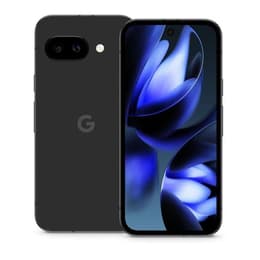
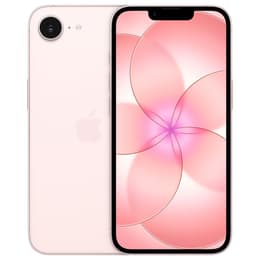
Google Pixel 9a Vs iPhone 17e
- 1-year minimum warranty
- Free delivery on all orders
- Free 30-day returns
Differences at a glance
The Google Pixel 9a (2025) and the iPhone 17e (2026) represent modern approaches to streamlined smartphone engineering, offering capable features within distinct ecosystems. While both devices cater to users seeking balanced everyday utility, they differ fundamentally in their operating systems, hardware architectures, and physical dimensions. Choosing between them depends on how you weigh platform preference against specific physical and functional priorities.
Available Models
Colour
Storage
Scores
Durability
Both smartphones offer robust long-term usability, though they approach software longevity and build durability through different manufacturer timelines and structural designs.
- Software Support: The Google Pixel 9a benefits from an extended commitment of seven years of security and platform updates from its 2025 release, while the iPhone 17e follows Apple's standard multi-year software lifecycle backed by its 2026 introduction. Both models ensure prolonged access to current features and security patches.
- Repairability and Build: The Pixel 9a utilizes a sturdy composite back paired with an aluminum frame, whereas the iPhone 17e features a glass-and-aluminum construction with high-tier water and dust resistance ratings. Both options provide solid structural integrity for daily carry.
- Expected Lifespan: Thanks to efficient modern hardware and sustained software maintenance, both devices are well-equipped to maintain dependable performance across several years of consistent daily use.
Year of Release
2025
2026
OS
Android
iOS
Foldable
No
No
Performance
Daily operation and multitasking capabilities vary based on the underlying hardware optimization of each respective operating system and processor architecture.
- System Responsiveness: Both devices handle standard multitasking, web browsing, and demanding mobile applications smoothly, ensuring fluid navigation without noticeable stutter during routine tasks.
- Battery Behavior: The Google Pixel 9a incorporates a high-capacity battery that comfortably sustains a full day of mixed use, whereas the iPhone 17e relies on optimized hardware-software integration to manage power efficiently throughout a standard day.
- Storage Configurations: Both models provide ample internal storage tiers to accommodate large media libraries, applications, and offline files without frequent cleanup.
Screen quality
Viewing experiences differ primarily in screen dimensions, refresh rates, and panel tuning between the two manufacturers.
- Display Technology: The Google Pixel 9a features a 6.3-inch OLED panel with a smooth 120Hz refresh rate for fluid scrolling, while the iPhone 17e utilizes a 6.1-inch Super Retina XDR OLED display tuned for color accuracy and high peak brightness levels.
- Outdoor Visibility: Both screens offer high brightness capabilities that maintain legible text and clear imagery under direct sunlight or bright ambient lighting conditions.
- Viewing Comfort: The choice between the slightly larger, higher-refresh-rate canvas on the Pixel and the compact, sharp layout on the iPhone comes down to personal preference for media consumption and text scaling.
Resolution
2424 x 1080
2532 x 1170
Audiovisual
Multimedia capture and audio output are handled through distinct multi-lens configurations and stereo speaker setups.
- Camera Capabilities: The Google Pixel 9a employs a dual rear camera system supported by advanced computational photography tools, whereas the iPhone 17e utilizes a refined single-lens or dual configuration optimized for crisp detail, balanced dynamic range, and Dolby Vision video recording.
- Low-Light and Video: Both devices deliver reliable low-light performance using software-based exposure stacking, while video recording remains steady and clear across varying motion conditions.
- Audio and Calls: Integrated stereo speakers provide clear sound for casual media streaming, and multi-microphone arrays ensure crisp voice pickup during calls and video chats.
Front camera
13 megapixels
12 megapixels
Miscellaneous
Physical handling, connectivity standards, and daily convenience features shape the ergonomics and utility of each device.
- Connectivity and Ports: Both models support fast 5G data networks, modern Wi-Fi standards, and Bluetooth for accessories, utilizing reversible charging and data ports alongside secure biometric authentication methods.
- Dimensions and Weight: The Google Pixel 9a offers a lightweight form factor with a slightly wider footprint, whereas the iPhone 17e presents a compact profile that fits comfortably in smaller hands or pockets.
- Ecosystem Integration: Users invested in Google services or Apple's interconnected device network will find that each phone syncs naturally with its respective software environment. For those exploring sustainable hardware choices, a quality-assured refurbished option provides an eco-friendly alternative without compromising on daily reliability.
Weight
186 g
169 g
Screen size (in)
6.3
6.1
Network
5G
5G
SIM card
Physical SIM + eSIM
eSIM
Carrier compatibility
Unlocked
Unlocked
Connector
USB-C
USB-C (USB 2)
What the community thinks
Deciding between the Google Pixel 9a and the iPhone 17e ultimately depends on your preferred operating system and day-to-day workflow priorities. Users who appreciate a higher refresh rate display and deep integration with Google's software ecosystem will find the Pixel 9a well-suited to their needs. Conversely, users who lean toward Apple's interface, streamlined physical dimensions, and long-standing platform environment may prefer the iPhone 17e. Both devices serve as dependable, long-lasting companions for everyday communication and media tasks. Exploring a quality-assured refurbished option through platforms like Back Market allows you to make an eco-friendly choice when acquiring either of these modern smartphones.