

Compare models

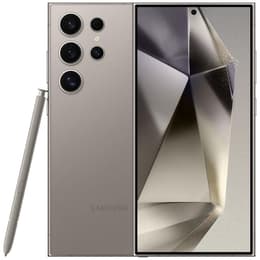
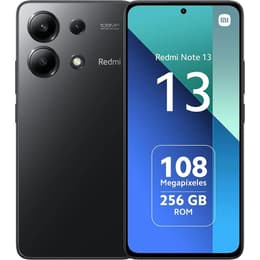
Galaxy S24 Ultra Vs Xiaomi Redmi Note 13 4G

  • 1-year minimum warranty
  • Free delivery on all orders
  • Free 30-day returns
Galaxy S24 Ultra
Starting at

Refurbished price:538.47

Versus €1,586.25 new

See options
Xiaomi Redmi Note 13 4G
Starting at

Refurbished price:200.00

Versus €340.00 new

See options

Differences at a glance

The Samsung Galaxy S24 Ultra (2024) and the Xiaomi Redmi Note 13 4G (2024) are smartphones designed for entirely different tiers of mobile users, spanning high-end flagship capabilities and accessible everyday functionality. While both devices run on the Android operating system with custom interface layers, they diverge significantly in processing power, build philosophy, and market positioning. Choosing between them depends largely on whether a user requires top-tier creative and processing tools or a reliable, straightforward communication device.

Available Models

Colour

Storage (GB)

Scores

Durability

When examining longevity and structural endurance, both 2024 releases approach support cycles and build quality from distinct angles reflecting their hardware categories.

  • Software Support: The Samsung Galaxy S24 Ultra benefits from an extended multi-year update commitment covering up to seven generations of operating system upgrades, whereas the Xiaomi Redmi Note 13 4G typically follows a more standard mid-range support window.
  • Build Materials: Samsung employs a titanium frame and scratch-resistant glass construction for robust daily protection, while Xiaomi utilizes a reinforced plastic frame paired with splash-resistant sealing (IP54).
  • Lifespan Expectations: The flagship hardware headroom of the Galaxy model ensures long-term capability for evolving software demands, while the Redmi model provides dependable service for standard daily communication tasks over several years.

Year of Release

2024

2024

Compatible with latest Update

Yes

Yes

OS

Android

Android

Foldable

No

No

Performance

Processing capabilities and day-to-day operational fluidity highlight a major operational gap between these two contrasting devices.

  • Multitasking and Speed: The Galaxy S24 Ultra handles intensive multi-application workflows, high-end 3D gaming, and demanding creative software smoothly with abundant RAM and top-tier current-generation processing architecture. The Xiaomi Redmi Note 13 4G manages everyday tasks like web browsing, social media scrolling, and casual video playback reliably, though heavy multitasking may introduce minor pauses.
  • Storage Configurations: Both devices offer ample internal storage tiers, but the Xiaomi model additionally includes expandable storage flexibility via a shared memory card slot.
  • Battery Behavior: Both devices integrate large 5000 mAh capacity power cells, translating to reliable full-day endurance for typical users, paired with differing wired replenishment speeds.

Screen quality

Visual output standards differ significantly in panel technology, maximum output brightness, and interactive fluidity.

  • Display Technology: Both models feature vibrant AMOLED screens that deliver deep black levels and saturated color reproduction for media consumption, though the Galaxy model incorporates advanced anti-reflective glass coatings.
  • Refresh Rates: Both devices support high refresh rate operation (up to 120 Hz), ensuring smooth scrolling through web pages, system menus, and supported applications.
  • Outdoor Visibility: The Galaxy S24 Ultra reaches exceptionally high peak luminance thresholds for clear legibility under direct sunlight, whereas the Xiaomi Redmi Note 13 4G provides adequate brightness for standard outdoor viewing environments.

Resolution

1440 x 3120

1080 x 2400

Screen type

Dynamic LTPO AMOLED 2X

AMOLED

Audiovisual

Optics and media output capabilities reflect the specialized flagship nature of one device versus the practical everyday focus of the other.

  • Camera Systems: The Galaxy S24 Ultra features a versatile multi-lens configuration including a high-resolution primary sensor and dedicated optical zoom capabilities for distant subjects. The Xiaomi Redmi Note 13 4G relies on a functional high-resolution main sensor accompanied by basic supporting lenses for casual snapshots.
  • Low-Light and Video: Samsung's flagship processes challenging lighting conditions effectively with advanced computational photography, producing sharp details and stable video recordings at high resolutions. Xiaomi's device captures clear daytime photos suitable for messaging and social sharing.
  • Audio Delivery: Stereo speaker output on the Galaxy model offers rich depth and clarity for media playback, while the Redmi model features standard stereo speakers alongside the convenience of a traditional 3.5mm headphone jack.

Main camera

200 megapixels

108 megapixels

Front camera

12 megapixels

16 megapixels

Miscellaneous

Practical physical traits and connectivity standards shape how each smartphone integrates into everyday routines and travel scenarios.

  • Connectivity Standards: The Galaxy S24 Ultra provides advanced 5G network compatibility, Wi-Fi 7 readiness, and ultra-wideband support, whereas the Xiaomi Redmi Note 13 4G is strictly limited to 4G LTE network bands.
  • Physical Dimensions: The Galaxy model has a wider, heavier footprint due to its integrated stylus silo and robust screen proportions, while the Redmi model features a lighter, slimmer profile that sits comfortably in smaller hands.
  • Authentication Sensors: Both incorporate secure biometric unlocking methods, utilizing under-display optical fingerprint scanners alongside facial recognition software.

Weight

232 g

175 g

Screen size (in)

6.8

6.67

Network

5G

4G

SIM card

Dual Physical SIM + eSIM

Dual Physical SIM

Carrier compatibility

Unlocked

Unlocked

What the community thinks

User community discussions and public forums reveal clear patterns of praise and common criticisms for both devices. Owners of the Galaxy S24 Ultra frequently highlight its exceptional display clarity, versatile zoom photography, and enduring build quality, though some note its substantial physical weight and large pocket footprint. Conversely, users of the Xiaomi Redmi Note 13 4G praise its dependable daily battery endurance, slim ergonomics, and accessible feature set relative to its class, while pointing out limitations in low-light photography and demanding gaming sessions.

Users prioritizing advanced mobile photography, long-term software longevity, and uncompromised processing power will find the Galaxy S24 Ultra well-suited to their needs. Meanwhile, users prioritizing lightweight everyday communication, media streaming, and a traditional headphone jack may lean toward the Xiaomi Redmi Note 13 4G. Buyers looking to make a sustainable choice can also explore quality-assured refurbished options for either model as an eco-friendly alternative that extends device lifecycles. Both smartphones serve distinct segments effectively, allowing buyers to select the hardware profile that matches their daily lifestyle requirements.