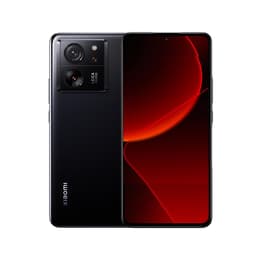


Google Pixel 9 Vs Xiaomi 13T Pro

Google Pixel 9
Google Pixel 9
Starting at

Refurbished price:376.00

Versus €1,066.71 new

See options
Xiaomi 13T Pro
Xiaomi 13T Pro
Starting at

Refurbished price:241.00

Versus €900.00 new

See options

Ratings

The Google Pixel 9, released in August 2024, and the Xiaomi 13T Pro, launched in September 2023, are both Android smartphones offering distinct experiences. While the Pixel 9 emphasizes a streamlined software experience with advanced computational photography and extended software support, the Xiaomi 13T Pro focuses on high-refresh-rate display technology, rapid charging capabilities, and a versatile camera system. Both devices run on the Android operating system, but they feature different approaches to hardware and software integration.

Scores

Durability

The practical lifespan of a smartphone is influenced by its release timeline, software support, and physical durability.

  • Release Timeline: The Google Pixel 9 was released in August 2024, making it a more recent device compared to the Xiaomi 13T Pro, which launched in September 2023. This difference in release date means the Pixel 9 benefits from a newer starting point in its lifecycle.
  • Software Longevity: Google has committed to providing seven years of OS and security updates for the Pixel 9, extending its software support until approximately 2031. This ensures the device remains current with the latest Android features and security patches for an extended period. In contrast, the Xiaomi 13T Pro is slated to receive four generations of Android OS upgrades and five years of security patches, with support expected until around 2028.
  • Repairability: The Google Pixel 9 has a provisional repairability score of 5 out of 10, indicating that while some components are accessible, certain repairs, such as battery replacement, can be challenging due to strong adhesives. Information regarding the specific repairability score for the Xiaomi 13T Pro is less detailed, though some Xiaomi models have demonstrated good repairability.

Year of Release

2024

2023

Compatible with latest Update

Yes

Yes

OS

Android

Android

Foldable

No

No

Performance

Both devices are equipped with powerful internal components designed to handle demanding applications and multitasking efficiently.

  • System Responsiveness: The Google Pixel 9 is powered by a current-generation processor, which contributes to smooth operation and quick app loading times. Users generally report a fluid and responsive experience for everyday tasks and more intensive applications.
  • Multitasking Capabilities: With 12 GB of RAM, the Pixel 9 is well-suited for managing multiple applications simultaneously without significant slowdowns. The Xiaomi 13T Pro offers configurations with 12 GB or 16 GB of RAM, providing ample capacity for heavy multitasking and ensuring a smooth user experience even with numerous apps open.
  • Storage Options: The Pixel 9 comes with 128 GB or 256 GB of internal storage, utilizing UFS 3.1 technology. The Xiaomi 13T Pro provides more expansive storage options, including 256 GB, 512 GB, and 1 TB, featuring faster UFS 4.0 storage technology.
  • Battery Behavior: The Pixel 9 features a 4700 mAh battery, with many users reporting that it comfortably lasts through a full day of typical use. The Xiaomi 13T Pro includes a 5000 mAh battery, and while many users praise its very good battery life, some heavy users have noted average performance, particularly when relying on mobile data.

Memory (GB)

12 GB

12 GB

Screen quality

The visual experience on both smartphones is delivered through high-quality displays, though with some differences in technology and specifications.

  • Display Technology and Clarity: The Google Pixel 9 features a 6.3-inch Actua OLED display, offering deep blacks and vibrant colors with a resolution of 1080 x 2424 pixels. The Xiaomi 13T Pro sports a slightly larger 6.67-inch AMOLED display with a resolution of 1220 x 2712 pixels, also providing rich colors and sharp visuals.
  • Brightness and Outdoor Visibility: The Pixel 9's display can reach up to 2700 nits of peak brightness, which enhances visibility in bright outdoor conditions. The Xiaomi 13T Pro also offers a high peak brightness of 2600 nits, ensuring good readability under various lighting conditions.
  • Refresh Rate: The Pixel 9 features an adaptive refresh rate that can go up to 120Hz, providing smooth scrolling and fluid animations. The Xiaomi 13T Pro offers an even higher refresh rate of 144Hz, which can result in an exceptionally smooth visual experience, particularly noticeable in fast-paced content and gaming.
  • Screen Protection: The Pixel 9's display is protected by Corning Gorilla Glass Victus 2, offering enhanced durability against drops and scratches. The Xiaomi 13T Pro uses Corning Gorilla Glass 5 for its display protection.

Resolution

1080 x 2424

1220 x 2712

Screen type

OLED

AMOLED

Audiovisual

Both devices offer advanced camera systems, each with its own strengths in capturing photos and videos.

  • Rear Camera Systems: The Google Pixel 9 includes a 50 MP main wide camera with optical image stabilization (OIS) and a 48 MP ultrawide camera, designed for detailed and vibrant photos. The Xiaomi 13T Pro features a triple camera setup co-engineered with Leica, comprising a 50 MP wide camera with OIS, a 50 MP telephoto lens with 2x optical zoom, and a 12 MP ultrawide camera, offering versatility for different photographic scenarios.
  • Photography Performance: The Pixel 9 is known for its computational photography, producing consistently great photo quality and superb selfies with its 10.5 MP front camera. The Xiaomi 13T Pro's rear cameras are praised for outstanding photo quality in various conditions, though some users have noted inconsistencies with software processing and autofocus. Its 20 MP front camera is generally considered capable, though some users find it less impressive than the rear system.
  • Video Recording Capabilities: The Pixel 9 supports video recording up to 4K at 60 frames per second, with features like gyro-EIS and OIS for stable footage. The Xiaomi 13T Pro can record video up to 8K at 24 frames per second, also featuring gyro-EIS for stabilization.
  • Audio for Media and Calls: Both phones offer stereo speakers for an immersive media consumption experience. User feedback for the Xiaomi 13T Pro indicates good speaker quality, comparable to some flagship devices.

Main camera

50 megapixels

50 megapixels

Front camera

10.5 megapixels

20 megapixels

Miscellaneous

Beyond core features, several practical elements contribute to the overall user experience and device utility.

  • Connectivity Standards: Both the Google Pixel 9 and the Xiaomi 13T Pro support modern connectivity options, including 5G for fast mobile data, Wi-Fi 7 for high-speed wireless internet, and Bluetooth v5.3 (Pixel 9) or Bluetooth 5.4 (Xiaomi 13T Pro) for connecting accessories. Both also include NFC for contactless payments and dual SIM capabilities (Nano SIM + eSIM).
  • Physical Design and Handling: The Pixel 9 has dimensions of 152.8 x 72.0 x 8.5 mm and weighs 198 g, offering a compact form factor that many find comfortable for one-handed use. The Xiaomi 13T Pro is slightly larger and heavier, measuring 162.2 x 75.7 x 8.5 mm (glass variant) and weighing 206 g (glass variant), which provides a larger screen but may feel less compact.
  • Build Materials and Durability Features: The Pixel 9 features a Corning Gorilla Glass Victus 2 front and a redesigned look with a silky matte glass back and metal sides, contributing to its durability. The Xiaomi 13T Pro offers a choice of glass or a vegan leather back, with its display protected by Corning Gorilla Glass 5. Both devices carry an IP68 rating for dust and water resistance.
  • Biometric Security: The Pixel 9 incorporates an optical in-display fingerprint sensor and face unlock for secure authentication. The Xiaomi 13T Pro also features an in-display fingerprint sensor, which users generally find fast and reliable.

Weight

198 g

200 g

Screen size (in)

6.3

6.67

Network

5G

5G

SIM card

Physical SIM + eSIM

Physical SIM + eSIM

Carrier compatibility

Unlocked

Unlocked

Connector

USB-C

USB-C

The Google Pixel 9 and Xiaomi 13T Pro cater to different user priorities, each excelling in specific areas. Users frequently praise the Pixel 9 for its exceptionally long software support, ensuring the device remains updated with the latest Android versions and security patches for seven years. Its camera system is consistently lauded for producing high-quality photos with Google's computational photography, and many users report impressive battery life and smooth overall performance. Some common criticisms include its weight and size, which some find substantial, and occasional concerns about video recording quality.

The Xiaomi 13T Pro receives acclaim for its vibrant 144Hz AMOLED display, offering a very fluid visual experience, and its incredibly fast 120W wired charging, which can fully charge the device in a short time. Its Leica-tuned camera system is often highlighted for its versatility and strong performance, particularly from the rear lenses. However, some users have pointed out that the selfie camera can be less impressive, and there can be inconsistencies with camera software processing. While battery life is generally good, some heavy users on mobile data have reported it to be average.

Users prioritizing long-term software support, a streamlined Android experience with advanced AI features, and consistent still photography may find the Google Pixel 9 to be a suitable choice. Conversely, those who value a higher refresh rate display, extremely rapid charging, and a versatile camera system with a dedicated telephoto lens might lean towards the Xiaomi 13T Pro. Both devices represent quality-assured options, and considering a refurbished model can be an eco-friendly alternative for either device, offering a sustainable choice without compromising on functionality.


See all articles

Our recent comparisons






