

Compare models
Google Pixel 9 Pro Vs iPhone Air
- 1-year minimum warranty
- Free delivery on all orders
- Free 30-day returns
Differences at a glance
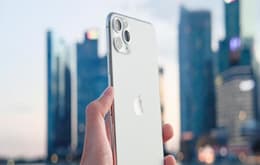
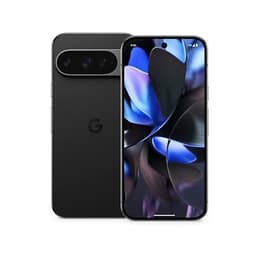
The Google Pixel 9 Pro (2024) and the Apple iPhone Air (2025) represent two distinct approaches to high-end smartphone design, balancing everyday usability with modern mobile computing. While the Google Pixel 9 Pro focuses on versatile multi-lens photography and integrated software assistance, the iPhone Air prioritizes an ultra-slim profile and lightweight form factor. Operating on Android and iOS respectively, these devices cater to users looking for streamlined daily performance housed in very different physical frameworks.
Available Models
Colour
Storage
Scores
Durability
Both handsets are engineered for long-term ownership, differing primarily in their release schedules, software support commitments, and expected physical durability.
- Software support timeline: The Google Pixel 9 Pro benefits from an extended vendor commitment providing seven years of major operating system updates, while the iPhone Air follows typical multi-year software lifecycles tied to its respective operating system ecosystem.
- Build resilience and repairability: The Pixel 9 Pro utilizes robust glass and metal framing with structured repair channels, whereas the iPhone Air features a reinforced ultra-thin titanium chassis designed to maintain structural rigidity despite its minimal depth.
- Practical lifespan: Both devices offer sufficient hardware longevity to remain responsive through years of daily routines, software updates, and changing user requirements.
Year of Release
2024
2025
Performance
Performance capabilities vary based on internal hardware configuration and how each device manages intensive tasks during daily usage.
- System responsiveness: Both smartphones handle standard multitasking, web browsing, and demanding applications smoothly, ensuring quick app loading and minimal stutter during everyday navigation.
- Battery behavior: The Pixel 9 Pro incorporates a larger energy cell suited for sustained heavy use, while the iPhone Air balances its exceptionally slim battery capacity with power-efficient internal components.
- Storage capacity: Both models provide multiple spacious storage tiers to accommodate large photo libraries, downloaded media, and offline application data without running into space constraints.
Screen quality
Display characteristics across both models deliver sharp visuals, though they differ slightly in physical dimensions and panel tuning.
- Display technology: Each device features an advanced OLED panel providing deep contrast levels, sharp resolutions, and wide color reproduction for clear media consumption.
- Outdoor visibility: High peak brightness capabilities on both screens allow text and images to remain legible even under direct sunlight or bright outdoor lighting conditions.
- Refresh rate and smoothness: Dynamic refresh rates scaling up to 120Hz ensure fluid scrolling through web pages, fluid animations, and responsive touch feedback across both user interfaces.
Audiovisual
The photographic hardware and media playback setups reflect different engineering priorities for capturing memories and consuming audio.
- Camera versatility: The Pixel 9 Pro equips a flexible multi-lens rear system including dedicated optical zoom capabilities, whereas the iPhone Air streamlines photography through a single high-resolution primary sensor.
- Low-light and video performance: Both phones capture clear details in challenging lighting conditions and support stable, high-definition video recording with clean audio pickup.
- Media and audio output: Built-in stereo and mono speaker configurations deliver clear sound for hands-free calls, podcasts, and casual video viewing.
Miscellaneous
Practical everyday elements such as connectivity standards, physical dimensions, and security sensors shape how each device fits into routine handling.
- Connectivity and ports: Both models support modern 5G networks, fast Wi-Fi standards, and universal USB-C connectivity for data transfer and charging accessories.
- Security features: Each phone integrates advanced biometric verification tools, offering secure facial recognition or fingerprint scanning to protect personal data.
- Handling and ergonomics: The Pixel 9 Pro provides a traditional weighted feel with contoured edges, while the iPhone Air stands out with its remarkably thin profile and lightweight build that reduces hand fatigue during extended holding.
Screen size (in)
6.8
6.5
Network
5G
5G
SIM card
Physical SIM + eSIM
eSIM
Carrier compatibility
Unlocked
Unlocked
Connector
USB-C
USB-C
What the community thinks
Consumer feedback highlights distinct preferences for each device across public forums. Users frequently praise the Google Pixel 9 Pro for its comprehensive multi-lens camera setup and long-term software update commitment, though some note its heavier build relative to smaller alternatives. Conversely, buyers often commend the iPhone Air for its striking thinness, lightweight ergonomics, and fluid operating system integration, while observing that its single-camera approach and slim battery require different compromises compared to bulkier flagships.
Users prioritizing flexible zoom photography and deep software longevity may prefer the Google Pixel 9 Pro, while individuals who value an ultra-lightweight build and a slim pocket profile will lean toward the iPhone Air. Choosing a quality-assured refurbished option through Back Market offers a sustainable choice that extends device lifecycles without compromising on reliability. Ultimately, the right choice depends entirely on individual daily habits and physical preferences.