


Google Pixel 9 Pro Vs iPhone 17 Pro

Google Pixel 9 Pro
Google Pixel 9 Pro
Starting at

Refurbished price:475.00

Versus €1,299.00 new

See options
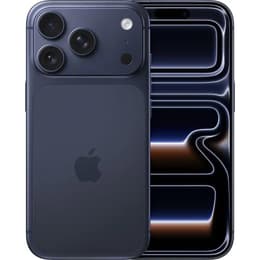
iPhone 17 Pro
iPhone 17 Pro
Starting at

Refurbished price:1,064.00

Versus €1,339.00 new

See options

Ratings

The Google Pixel 9 Pro, released in late 2024, and the Apple iPhone 17 Pro, launched in late 2025, represent the pinnacle of their respective operating systems. Both devices offer advanced smartphone experiences, with the Pixel 9 Pro focusing on Google's AI integration and computational photography within the Android ecosystem, while the iPhone 17 Pro emphasizes Apple's powerful chip performance and a refined iOS experience. Key differentiators include their distinct approaches to software longevity, camera processing, and overall design philosophy.

Scores

Durability

When considering the long-term usability of a smartphone, software support and physical durability are crucial. The Pixel 9 Pro and iPhone 17 Pro offer different approaches to device longevity.

  • Software Updates: The Google Pixel 9 Pro is part of Google's commitment to provide seven years of OS and security updates, ensuring a prolonged period of new features and protection. The iPhone 17 Pro typically receives major iOS updates for five to seven years, with additional security patches extending its usable life.
  • Practical Lifespan: Both devices are designed for extended use, with the Pixel 9 Pro benefiting from Google's long-term software commitment and the iPhone 17 Pro from Apple's consistent update schedule and robust hardware. Users can expect several years of reliable performance from either device.
  • Repairability: While specific repairability scores can vary, both manufacturers generally design their flagship devices with a balance of durability and serviceability. Opting for a quality-assured refurbished option for either model can further extend its life cycle and offer an eco-friendly alternative.

Year of Release

2024

2025

Compatible with latest Update

Yes

Yes

OS

Android

iOS

Foldable

No

No

Performance

Performance is a core aspect of both the Pixel 9 Pro and the iPhone 17 Pro, with each device engineered to handle demanding tasks and provide a responsive user experience.

  • Processing Power: The Google Pixel 9 Pro is equipped with the Tensor G4 processor, designed to optimize AI tasks and deliver smooth performance for everyday applications and multitasking. The iPhone 17 Pro features the A19 Pro chip, built on a next-generation manufacturing process, which provides significant power for intensive applications, advanced gaming, and on-device artificial intelligence.
  • Multitasking and Responsiveness: With 16GB of RAM, the Pixel 9 Pro allows for extensive multitasking, keeping numerous applications open without slowdowns. The iPhone 17 Pro includes 12GB of RAM, which supports smooth transitions between apps and efficient handling of complex operations, especially with the integration of Apple Intelligence.
  • Thermal Management: The iPhone 17 Pro incorporates a vapor chamber cooling system to maintain consistent performance during prolonged heavy use. The Pixel 9 Pro's Tensor G4 chip is also optimized for power efficiency, contributing to sustained performance.

Memory (GB)

16 GB

12 GB

Screen quality

The visual experience on both the Pixel 9 Pro and iPhone 17 Pro is designed to be immersive and clear, though they present some differences in display characteristics.

  • Display Technology and Clarity: The Google Pixel 9 Pro features a 6.3-inch OLED display with a 2856 x 1280 resolution, offering sharp visuals and deep contrast. The iPhone 17 Pro also has a 6.3-inch display with a 2622x1206 resolution, providing a clear and vibrant viewing experience.
  • Brightness and Smoothness: Both devices boast impressive peak brightness levels of 3,000 nits, ensuring excellent visibility even in bright outdoor conditions. They each offer an adaptive refresh rate of up to 120Hz, which contributes to smooth scrolling and fluid animations.
  • Design and Features: The Pixel 9 Pro's display is flat and protected by Gorilla Glass Victus 2. The iPhone 17 Pro includes a Dynamic Island at the top of its display and offers an anti-reflective option with a matte finish.

Resolution

1280 x 2856

2622x1206

Screen type

LTPO OLED

Super Retina XDR

Audiovisual

Both the Pixel 9 Pro and iPhone 17 Pro are equipped with advanced camera systems, each leveraging their respective strengths in hardware and software to capture high-quality images and videos.

  • Rear Camera System: The Google Pixel 9 Pro features a versatile triple-camera setup, including a 50MP main sensor, a 48MP ultrawide lens, and a 48MP periscope telephoto lens with 5x optical zoom and up to 30x Super Res Zoom. The iPhone 17 Pro also has a triple 48MP lens system, comprising a Fusion Main, Ultra Wide, and a Telephoto lens with 8x optical zoom achieved through sensor crop.
  • Photography and Video Capabilities: The Pixel 9 Pro excels in computational photography, offering features like Super Res Zoom for video and 8K video recording with Video Boost. The iPhone 17 Pro supports advanced video features such as ProRes RAW, Apple Log 2, and genlock, catering to professional content creation.
  • Front Camera and Audio: The Pixel 9 Pro includes a 42MP front camera. The iPhone 17 Pro features an 18MP Center Stage front camera, with some reports suggesting a 24MP sensor. Both devices aim to provide clear audio for calls and media consumption, with improvements in microphone quality and speaker output.

Main camera

50 megapixels

48 megapixels

Front camera

42 megapixels

18 megapixels

Miscellaneous

Beyond core performance and display, several practical elements differentiate the user experience of the Pixel 9 Pro and iPhone 17 Pro.

  • Connectivity and Ports: Both smartphones support Wi-Fi 7 for fast wireless connectivity. The Pixel 9 Pro supports Qi2 wireless charging, while the iPhone 17 Pro features MagSafe and Qi 2 wireless charging, alongside a USB-C port.
  • Design and Build Materials: The Pixel 9 Pro has a redesigned rear camera array and polished sides, with a flat rear panel. It is available in colors like Obsidian, Porcelain, Hazel, and Rose Quartz. The iPhone 17 Pro features a unibody aluminum chassis and a redesigned camera bar, with Ceramic Shield 2 protecting both the front and back. It comes in colors such as Deep Blue, Cosmic Orange, and Silver.
  • Dimensions and Handling: The Pixel 9 Pro measures 6.02 x 2.83 x 0.34 inches. The iPhone 17 Pro is slightly thicker than its predecessors at 8.75mm and weighs 206 grams. These dimensions contribute to their in-hand feel and portability.

Weight

280 g

206 g

Screen size (in)

6.8

6.3

Network

5G

5G

SIM card

Physical SIM + eSIM

Physical SIM + eSIM

Carrier compatibility

Unlocked

Unlocked

Connector

USB-C

USB-C

The Google Pixel 9 Pro and iPhone 17 Pro each offer a compelling package for users seeking a high-end smartphone experience, albeit with distinct philosophies. Users often praise the Pixel 9 Pro for its deep integration of AI features, particularly in photography and smart assistance, providing a seamless and intelligent Android experience. Its long-term software support is also a significant advantage for those who keep their devices for many years. Some users might find its design, while refined, to be less overtly premium than its competitor.

The iPhone 17 Pro is frequently lauded for its powerful processing capabilities, robust iOS ecosystem, and advanced camera system that caters to both casual and professional users. Its new thermal design and increased RAM are often highlighted as improvements for sustained performance. However, some users might find the iOS ecosystem less customizable compared to Android.

Users prioritizing cutting-edge AI capabilities, extensive software longevity, and a clean Android interface will find the Google Pixel 9 Pro well-suited to their needs. Conversely, users who value raw processing power, a highly integrated ecosystem, and advanced video features may lean toward the iPhone 17 Pro. Both devices represent excellent choices, and considering a quality-assured refurbished option for either model can provide a sustainable choice without compromising on performance or features.


See all articles

Our recent comparisons