

Compare models
Google Pixel 8a Vs iPhone 17e
- 1-year minimum warranty
- Free delivery on all orders
- Free 30-day returns
Differences at a glance
The Google Pixel 8a (2024) and the iPhone 17e (2026) are contemporary mid-range smartphones designed to deliver high-tier mobile experiences without the complexity of flagship lineups. While both devices feature compact 6.1-inch displays and cater to everyday mobile users, they operate on entirely different ecosystems—Android and iOS—while offering unique processing and hardware approaches. Choosing between them involves weighing software preferences, build philosophies, and daily performance priorities.
Available Models
Colour
Storage
Scores
Durability
Both smartphones are built to remain functional and supported for years, though their release schedules and update frameworks differ significantly.
- Software Support Timeline: The Google Pixel 8a benefits from an extended multi-year update commitment covering operating system upgrades and security patches, matching the longevity framework of modern Android devices. The iPhone 17e receives Apple's regular software updates, backed by a strong track record of long-term device support.
- Repairability and Build Longevity: Both manufacturers provide structured repair options and replacement components. Choosing a quality-assured refurbished option provides an eco-friendly alternative that extends device life cycles while reducing electronic waste.
Year of Release
2024
2026
OS
Android
iOS
Foldable
No
No
Performance
System responsiveness and everyday operation differ based on the internal hardware integration of each operating system.
- Multitasking and App Handling: Both models manage demanding applications, web browsing, and background tasks smoothly, ensuring minimal stutter during heavy multitasking.
- Storage and Battery Efficiency: The Google Pixel 8a offers varied storage tiers paired with a robust battery capacity for full-day use. The iPhone 17e features higher starting storage configurations alongside optimized power management that sustains daily workflows efficiently.
Screen quality
Visual immersion is a priority for both models, utilizing high-contrast panel technologies tailored for sharp text and vibrant media consumption.
- Display Technology and Smoothness: The Google Pixel 8a features an OLED panel with a high refresh rate for fluid scrolling. The iPhone 17e incorporates a Super Retina XDR display that delivers balanced color accuracy and high peak brightness levels for outdoor readability.
- Viewing Experience: Both 6.1-inch screens provide ample workspace for reading, streaming, and casual gaming while maintaining a compact footprint that fits easily in one hand.
Resolution
1080 x 2400
2532 x 1170
Audiovisual
Imaging capabilities across both devices cater well to casual photography, video recording, and clear audio capture.
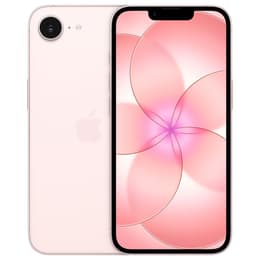
- Camera Systems: The Google Pixel 8a utilizes a dual rear camera setup supported by computational photography algorithms for detailed low-light shots. The iPhone 17e relies on a streamlined single-lens rear camera system paired with advanced image processing to deliver sharp photos and stable video output.
- Media and Audio Output: Both smartphones feature reliable multi-microphone arrays for clear call quality and stereo speakers that provide balanced sound output during media playback.
Front camera
13 megapixels
12 megapixels
Miscellaneous
Practical physical design choices and connectivity standards shape how each device fits into daily routines.
- Connectivity and Ports: Both models support rapid 5G connectivity, modern Wi-Fi standards, and Bluetooth pairing. Charging and data transfer are handled via standard USB-C infrastructure.
- Security and Ergonomics: The Google Pixel 8a includes an in-display fingerprint sensor alongside facial recognition, whereas the iPhone 17e utilizes Face ID for biometric security. Weight and dimensions remain pocket-friendly, with aluminum frames and durable glass or composite backs.
Weight
188 g
169 g
Screen size (in)
6.1
6.1
Network
5G
5G
SIM card
Physical SIM + eSIM
eSIM
Carrier compatibility
Unlocked
Unlocked
Connector
USB-C
USB-C (USB 2)
What the community thinks
User feedback from online communities highlights distinct preferences for each device. Google Pixel 8a owners frequently praise the fluid display refresh rate, reliable computational photography, and integration of helpful software utilities. Conversely, iPhone 17e users highlight the dependable system optimization, generous base storage capacity, and seamless ecosystem connectivity as major daily advantages. Common discussions occasionally note the Pixel's slower charging speeds and the iPhone's single-lens camera limitation as trade-offs for their respective models.
Users prioritizing deep customization, high display refresh rates, and automated photo tools may prefer the Google Pixel 8a, while users favoring the iOS ecosystem, streamlined hardware integration, and high starting storage will find the iPhone 17e well-suited to their needs. Opting for a quality-assured refurbished option from sustainable providers like Back Market offers an eco-friendly way to acquire either device while minimizing environmental impact. Reviewing core operating system preferences and daily feature requirements remains the most effective approach to choosing the right smartphone.