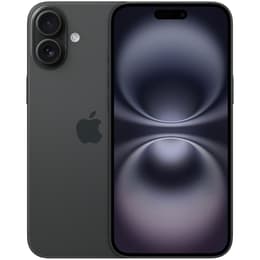


Google Pixel 7 Pro Vs iPhone 16 Plus

Google Pixel 7 Pro
Google Pixel 7 Pro
Starting at

Refurbished price:231.56

Versus €1,040.00 new

See options
iPhone 16 Plus
iPhone 16 Plus
Starting at

Refurbished price:555.00

Versus €979.00 new

See options

Ratings

The Google Pixel 7 Pro, released in October 2022, and the iPhone 16 Plus, launched in September 2024, represent distinct approaches to the premium smartphone experience. While the Pixel 7 Pro operates on the Android ecosystem, emphasizing advanced computational photography and Google's AI capabilities, the iPhone 16 Plus runs on iOS, focusing on a streamlined user experience, robust performance, and integrated services. Key differentiators lie in their operating systems, camera philosophies, and release timelines, which influence their long-term usability and feature sets.

Scores

Durability

The longevity of a smartphone is influenced by its release date, software support, and physical resilience. The iPhone 16 Plus, being a more recent device, benefits from a longer expected period of software updates compared to the Pixel 7 Pro.

  • Software Support: The iPhone 16 Plus, released in September 2024, is expected to receive iOS updates for an extended duration, likely several years beyond the Pixel 7 Pro, which launched in October 2022 and shipped with Android 13. The Pixel 7 Pro is upgradable to Android 16, but its update cycle will conclude sooner due to its earlier release [1, 2].
  • Physical Durability: Both devices feature an IP68 rating for dust and water resistance, indicating protection against submersion [2, 11, 18, 20]. The iPhone 16 Plus incorporates Ceramic Shield on its front and an aluminum frame, demonstrating good structural strength and better scratch resistance in tests compared to some other phones [3, 10, 20, 36]. The Pixel 7 Pro uses Gorilla Glass Victus, but some user reports suggest its camera bar is prone to scratches and the device can exhibit flex, potentially impacting its water resistance over time [2, 9, 29, 30, 39].
  • Practical Lifespan: Users prioritizing the latest software features and security updates for the longest possible period may find the iPhone 16 Plus more aligned with their needs. However, the Pixel 7 Pro remains a capable device, offering a quality-assured refurbished option for those seeking an eco-friendly alternative with a still-relevant feature set.

Year of Release

2022

2024

Compatible with latest Update

Yes

Yes

Foldable

No

No

Performance

Performance in modern smartphones is crucial for smooth operation, app handling, and multitasking. The core processing power and memory configuration significantly impact the user experience.

  • Processing Power: The iPhone 16 Plus is equipped with the Apple A18 chip, which is optimized for generative artificial intelligence and offers substantial performance for demanding applications and system responsiveness [1, 4, 8, 14]. The Google Pixel 7 Pro is powered by the Google Tensor G2 chip, designed to excel in AI and machine learning tasks, particularly for camera processing and voice recognition [2, 11, 19].
  • Multitasking and Responsiveness: With 8GB of RAM, the iPhone 16 Plus handles multiple applications and transitions smoothly within the iOS ecosystem [1, 18]. The Pixel 7 Pro features 12GB of RAM, providing ample capacity for heavy multitasking on Android [2, 16]. While the Pixel 7 Pro offers a generally smooth experience, some users have reported occasional lag or unresponsiveness in day-to-day usage [21, 27].
  • Battery Behavior: The iPhone 16 Plus houses a 4674 mAh battery, rated for up to 27 hours of video playback, suggesting strong endurance for typical use [1, 20]. The Pixel 7 Pro comes with a 5000 mAh battery [2, 16]. User experiences with the Pixel 7 Pro's battery life vary, with some finding it adequate for a full day, while others report it struggles with heavy usage, sometimes leading to more frequent charging [21, 31].

Memory (GB)

8 GB

8 GB

Screen quality

The display is a primary interface for smartphone interaction, and its quality directly impacts viewing pleasure and usability in various lighting conditions.

  • Display Technology and Resolution: Both devices feature large 6.7-inch OLED displays, offering deep blacks and vibrant colors [2, 3, 5, 11, 18, 19]. The Pixel 7 Pro boasts a QHD+ resolution of 3120 x 1440 pixels, resulting in a sharp 512 ppi [2, 11, 19]. The iPhone 16 Plus has a Super Retina XDR display with a resolution of 2796 x 1290 pixels, providing a clear 460 ppi [1, 3, 5, 18].
  • Refresh Rate and Smoothness: The Pixel 7 Pro features a 120Hz adaptive refresh rate, contributing to smoother scrolling and more fluid animations [2, 11, 19]. The iPhone 16 Plus, however, maintains a 60Hz refresh rate, which some users may find less fluid compared to devices with higher refresh rates [1, 35, 41].
  • Brightness and Outdoor Visibility: The iPhone 16 Plus offers a peak outdoor brightness of up to 2000 nits, ensuring good visibility even in bright sunlight [5]. The Pixel 7 Pro also provides a bright display, with a peak brightness of up to 1500 nits [2]. The Pixel 7 Pro features a curved-edge display, while the iPhone 16 Plus has a flat screen with rounded corners [1, 2, 3].

Resolution

1440 x 3120

1290 x 2796

Screen type

LTPO AMOLED

Super Retina XDR OLED

Audiovisual

Camera capabilities are a significant factor for many users, encompassing hardware, software processing, and versatility across different shooting scenarios.

  • Rear Camera Systems: The Pixel 7 Pro features a versatile triple-camera setup: a 50 MP main sensor, a 12 MP ultrawide with a 125.8˚ field of view and autofocus for macro shots, and a 48 MP telephoto lens offering 5x optical zoom and up to 30x Super Res Zoom [2, 6, 7, 15, 24]. The iPhone 16 Plus comes with an advanced dual-camera system, including a 48 MP Fusion main camera that can also provide 2x optical-quality telephoto shots, and a 12 MP ultrawide camera with a 120˚ field of view and autofocus for macro photography [1, 3, 5, 12, 14, 22].
  • Photography Performance: The Pixel 7 Pro is highly regarded for its computational photography, producing detailed and vibrant stills, particularly in various lighting conditions [21, 31]. Its dedicated telephoto lens provides excellent zoom flexibility [7, 34]. The iPhone 16 Plus, with its Photonic Engine and Smart HDR 5, delivers strong general-purpose photography with accurate colors and improved portraits [3, 5, 12, 22].
  • Video Recording and Audio: Both devices offer 4K video recording at 30 or 60 frames per second [2, 3, 5, 12, 18, 28]. The iPhone 16 Plus supports 4K Dolby Vision video and features Spatial video recording, enhancing the media creation experience [3, 5, 12]. The Pixel 7 Pro's video quality has received mixed reviews, with some users noting issues with sharpening and exposure shifts [21, 31].

Main camera

50 megapixels

48 megapixels

Front camera

10.8 megapixels

12 megapixels

Miscellaneous

Beyond the core features, several practical elements contribute to the overall user experience, including connectivity, physical design, and security features.

  • Connectivity and Ports: Both smartphones support 5G connectivity. The iPhone 16 Plus features Wi-Fi 7 and Bluetooth 5.3, offering advanced wireless capabilities [1, 4, 18]. The Pixel 7 Pro supports Wi-Fi 6E and Bluetooth 5.2 [2]. Both devices utilize a USB-C port for charging and data transfer, though the iPhone 16 Plus's USB-C port operates at USB 2.0 speeds [1, 4, 18].
  • Biometric Security: The iPhone 16 Plus relies on Face ID for secure facial recognition [3, 18]. The Pixel 7 Pro offers both an under-display optical fingerprint scanner and Face Unlock for biometric authentication [2, 25].
  • Design and Handling: The iPhone 16 Plus measures 160.9 x 77.8 x 7.8 mm and weighs 199 grams, featuring an aluminum frame and a color-infused glass back [1, 3, 18]. It also includes an Action Button for quick access to features [8, 13]. The Pixel 7 Pro is slightly larger and heavier at 162.9 x 76.6 x 8.9 mm and 212 grams, with a distinctive camera bar design [2, 17]. Some users find the iPhone 16 Plus to be large for one-handed use [40].

Weight

212 g

199 g

Screen size (in)

6.7

6.7

Network

5G

5G

SIM card

Physical SIM + eSIM

eSIM

Carrier compatibility

Unlocked

Unlocked

Connector

USB-C

USB-C (USB 2)

The Google Pixel 7 Pro and iPhone 16 Plus cater to users with differing priorities and ecosystem preferences. The Pixel 7 Pro is often praised for its exceptional camera capabilities, particularly for still photography, and its clean Android experience with Google's integrated AI features [21, 31, 34]. However, some users have reported occasional software inconsistencies, performance hiccups, and concerns regarding its long-term physical durability and battery performance under heavy load [21, 27, 31, 33].

The iPhone 16 Plus, on the other hand, receives positive feedback for its robust build quality, extended software support, and the powerful, efficient performance delivered by its A18 chip [1, 10, 20, 36]. Its camera system is noted for strong general photography and advanced video features, including Spatial video recording [3, 5, 12, 14]. A common point of contention for some users is the 60Hz display refresh rate, which can feel less fluid compared to higher refresh rate screens on other devices [1, 35].

Users prioritizing a cutting-edge camera with advanced computational photography and the flexibility of the Android operating system may find the Pixel 7 Pro well-suited to their needs. Conversely, those who value a highly optimized ecosystem, longer software longevity, consistent performance, and a strong video recording suite will likely lean towards the iPhone 16 Plus. Both devices offer compelling features, and choosing between them often comes down to individual preferences for operating system, specific camera strengths, and long-term software commitment. For those considering a more sustainable choice, both models are available as quality-assured refurbished options.