

Compare models
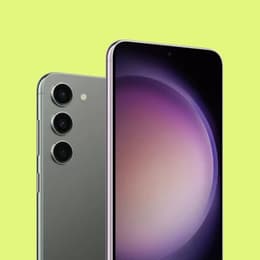
Galaxy S23 FE Vs Google Pixel 9a
- 1-year minimum warranty
- Free delivery on all orders
- Free 30-day returns
Differences at a glance
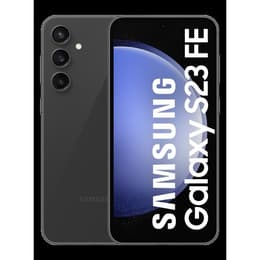
The Samsung Galaxy S23 FE (2023) and the Google Pixel 9a (2025) represent popular smartphone choices designed to offer balanced everyday experiences without requiring top-tier flagship investments. While both models run on the Android operating system with custom interface styles, they differ significantly in their hardware lineage, release timelines, and core design philosophies. Choosing between them comes down to evaluating distinct priorities in daily usability, software support spans, and hardware configuration.
Available Models
Colour
Storage
Scores
Durability
When examining hardware longevity and software support, the two devices reflect different generations and update commitments from their respective manufacturers.
- Release timeline and software support: The Galaxy S23 FE launched in late 2023, whereas the Pixel 9a arrived in early 2025, giving the Google model a fresher baseline. The Pixel 9a benefits from an extended software support window spanning seven years of operating system and security updates, while the Samsung model follows a shorter, multi-year update schedule.
- Repairability and build durability: Both handsets feature robust water and dust resistance ratings (IP68) and solid aluminum frames. Spare parts availability and ease of professional repair are comparable across both brands, though the newer release date of the Pixel provides a longer runway for active manufacturer software patches.
Year of Release
2023
2025
Compatible with latest Update
Yes
Yes
OS
Android
Android
Foldable
No
No
Performance
Underneath the surface, system responsiveness and power management dictate how each device handles daily workloads, multitasking, and software applications.
- Everyday speed and multitasking: Both models handle web browsing, social media applications, and multi-window multitasking smoothly, backed by ample random access memory. The processing hardware in each phone manages demanding applications efficiently, though thermal behavior under prolonged heavy usage varies slightly due to distinct cooling designs.
- Battery behavior and capacity: The Pixel 9a incorporates a larger 5,100mAh battery cell designed to comfortably stretch through a full day of mixed use, whereas the Galaxy S23 FE relies on a smaller 4,500mAh battery that may require more frequent charging for intensive users. Both support modern wired and wireless charging capabilities.
Screen quality
Visual output and display responsiveness play a major role in the overall media consumption and daily interaction experience.
- Display technology and clarity: The Galaxy S23 FE features a 6.4-inch Dynamic AMOLED display, while the Pixel 9a is equipped with a slightly smaller 6.3-inch OLED panel. Both screens offer crisp resolutions, deep contrast levels, and vibrant color reproduction suited for streaming video and reading text.
- Brightness and smoothness: Each device supports a smooth 120Hz refresh rate for fluid scrolling and animations. The Pixel 9a achieves higher peak outdoor brightness levels, making it slightly easier to read under direct sunlight compared to the Samsung alternative.
Resolution
1080 x 2340
2424 x 1080
Audiovisual
Imaging capabilities and media recording functions vary due to distinct hardware configurations and software processing pipelines.
- Camera hardware setup: The Galaxy S23 FE includes a versatile triple-lens rear setup featuring a dedicated telephoto lens with optical zoom alongside primary and ultra-wide sensors. In contrast, the Pixel 9a utilizes a streamlined dual-lens rear system centered around a high-resolution primary sensor and an ultra-wide lens, omitting a dedicated physical telephoto option.
- Software processing and video: Google relies heavily on computational photography for balanced low-light shots and natural portrait rendering, while Samsung produces vibrant, high-contrast imagery. Both devices record stable high-definition video and deliver clear audio through stereo speakers during media playback.
Front camera
10 megapixels
13 megapixels
Miscellaneous
Physical dimensions, handling characteristics, and connectivity standards shape the ergonomic feel of each smartphone during daily transport.
- Handling and dimensions: The Galaxy S23 FE has a glass back and a slightly heavier build, providing a substantial feel in the hand. The Pixel 9a opts for a revised rear aesthetic with a nearly flush camera module and a lighter overall weight, improving pocketability.
- Connectivity and sensors: Both devices support modern 5G networks, fast Wi-Fi standards, Bluetooth connectivity, and secure in-display fingerprint recognition. Neither model includes expandable storage slots or traditional headphone jacks.
Weight
209 g
186 g
Screen size (in)
6.4
6.3
Network
5G
5G
SIM card
Dual Physical SIM
Physical SIM + eSIM
Carrier compatibility
Unlocked
Unlocked
What the community thinks
User discussions across community forums highlight distinct preferences for each device based on real-world usage habits. Owners of the Galaxy S23 FE frequently praise its inclusion of a dedicated telephoto zoom lens and its traditional glass-and-metal construction, though some users note that battery endurance under heavy loads falls short of expectations. Conversely, Pixel 9a users regularly highlight the dependable battery longevity provided by the larger cell, alongside clean software navigation, while a subset of users express mixed opinions regarding the updated, flush camera housing design.
When deciding between these options, users prioritizing optical zoom versatility and traditional build materials may lean toward the Galaxy S23 FE. On the other hand, users prioritizing extended software longevity, higher outdoor screen brightness, and robust daily battery endurance will find the Pixel 9a well-suited to their needs. For those seeking an eco-friendly alternative, choosing a quality-assured refurbished option provides a sustainable path to acquiring either device without compromising on performance or functionality.