
Samsung

Compare models
Differences at a glance
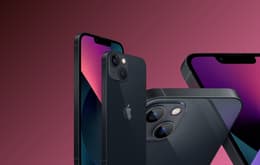
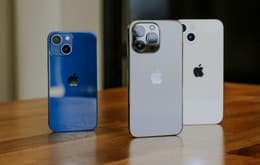
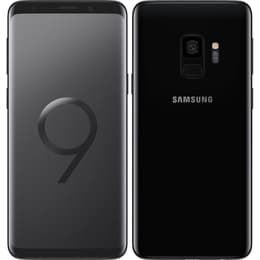
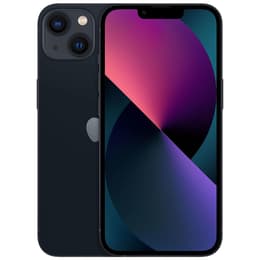
The Samsung Galaxy S9, released in March 2018, and the Apple iPhone 13, launched in September 2021, represent different generations and ecosystems within the smartphone market. A primary distinction lies in their release timelines, leading to significant differences in performance capabilities, software support, and overall user experience. The Galaxy S9 operates on the Android platform, while the iPhone 13 runs on iOS, offering distinct interfaces and app ecosystems.
Colour
Storage
The practical lifespan of a smartphone is heavily influenced by its release date and subsequent software support.
Year of Release
Performance is a key area where the generational gap between these two devices becomes evident, affecting daily usage from app responsiveness to demanding tasks.
The display is a primary interface for smartphone interaction, and both devices offer distinct visual experiences.
Camera capabilities have evolved significantly between the release of these two smartphones, impacting both still photography and video recording.
Beyond core features, several practical elements differentiate the user experience and connectivity options of these devices.
Screen size (in)
Network
SIM card
Carrier compatibility
Connector
The Samsung Galaxy S9 and iPhone 13 cater to different user expectations, largely due to the significant time difference in their releases and their respective operating systems.
The Galaxy S9 was praised for its innovative variable aperture camera, sleek design, and the inclusion of features like a 3.5mm headphone jack and expandable storage. However, common criticisms now revolve around its aging performance, the cessation of software updates, and the natural degradation of battery health over time. Users often note that while it remains functional for basic tasks, it struggles with the demands of modern applications and operating systems.
The iPhone 13, on the other hand, is frequently lauded for its powerful performance, advanced camera system with features like Cinematic Mode and excellent low-light capabilities, and its extended software support from Apple. Its battery life is generally considered robust for a modern smartphone. Some users might point to the continued use of a 60Hz display or the Lightning port as areas where it doesn't align with the latest industry trends.
Users prioritizing a device for essential communication, media consumption, and who value legacy features such as a headphone jack and expandable storage, and are comfortable with an older operating system, might find the Galaxy S9 suitable. Conversely, users who require strong performance for demanding applications, advanced photography and videography features, long-term software support, and modern connectivity like 5G will find the iPhone 13 better suited to their needs. For those seeking a sustainable choice, considering a quality-assured refurbished option for either model can be an eco-friendly alternative.