
iPhone

Compare models
Differences at a glance
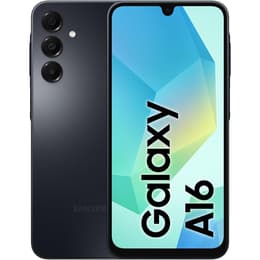
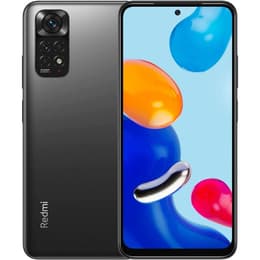
The Samsung Galaxy A16 and the Xiaomi Redmi Note 11 are both smartphones designed to offer a balanced experience for everyday use. The Galaxy A16, released in late 2024 and early 2025, is a more recent offering from Samsung, while the Redmi Note 11 was introduced by Xiaomi in early 2022. Both devices operate on the Android platform, with the Galaxy A16 benefiting from a newer version and a longer commitment to software updates, while the Redmi Note 11 runs on an earlier Android version with Xiaomi's MIUI overlay.
Colour
Storage
When considering the long-term usability of these smartphones, their release timelines and software support are key factors.
Year of Release
OS
Foldable
The performance of both devices is tailored for general smartphone tasks, with differences in their underlying hardware influencing responsiveness and multitasking capabilities.
Both smartphones feature vibrant displays, but there are distinctions in their size and specific display technologies that affect the viewing experience.
Resolution
Screen type
The camera systems on both the Galaxy A16 and the Redmi Note 11 are designed to capture everyday moments, with some variations in their sensor configurations and performance characteristics.
Beyond core specifications, several practical elements differentiate the user experience and connectivity options of these two devices.
Weight
Screen size (in)
Network
SIM card
Carrier compatibility
Connector
The Samsung Galaxy A16 and the Xiaomi Redmi Note 11 cater to users with distinct priorities, largely influenced by their release dates and the features they emphasize.
Users often praise the Redmi Note 11 for its vibrant AMOLED display with a 90Hz refresh rate, its long-lasting 5000 mAh battery, and its relatively fast 33W charging. Its inclusion of a 3.5mm headphone jack, dual speakers, and IP53 splash resistance are also frequently highlighted as practical advantages. However, common criticisms include its 4G-only connectivity and camera performance that, while acceptable in good light, may not excel in challenging conditions or offer the finest detail.
The Galaxy A16, being a newer device, is lauded for Samsung's extensive software support, promising six years of OS and security updates, which is a significant benefit for users seeking long-term device relevance. Its larger 6.7-inch Super AMOLED display and the availability of a 5G variant are also strong points. While specific user criticisms are less established due to its more recent release, its 25W charging is slower than the Redmi Note 11's.
Users prioritizing a device with a longer software lifespan and future-proof 5G connectivity may find the Samsung Galaxy A16 well-suited to their needs. Conversely, individuals who value a slightly faster charging experience, a dedicated headphone jack, and a degree of dust and splash resistance in a slightly more compact form factor might lean towards the Xiaomi Redmi Note 11. Both devices offer a quality-assured refurbished option, providing an eco-friendly alternative for consumers looking to make informed and sustainable choices.