
Compare models
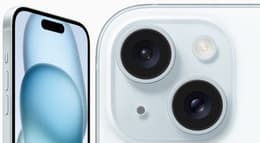
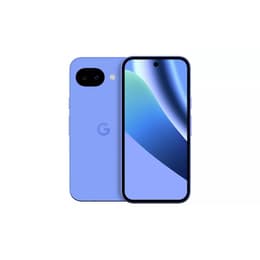
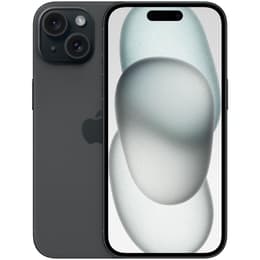
Google Pixel 10a Vs iPhone 15
- 1-year minimum warranty
- Free delivery on all orders
- Free 30-day returns
Differences at a glance
The Google Pixel 10a (2026) and the Apple iPhone 15 (2023) represent two distinct approaches to everyday smartphone design, operating systems, and core user experiences. While the Pixel device runs on Android and emphasizes fluid integration with Google services, the iPhone relies on Apple's iOS ecosystem and streamlined hardware synchronization.
Choosing between these two models typically comes down to ecosystem preference, interface style, and how each device balances daily responsiveness with long-term software support.
Available Models
Colour
Storage (GB)
Scores
Durability
When examining hardware durability and software longevity, both the Google Pixel 10a and the Apple iPhone 15 provide robust support schedules designed to keep devices secure and functional for years.
- Software Support Window: The Google Pixel 10a benefits from extended Android update commitments spanning up to seven major versions, while the iPhone 15 follows Apple's long-established timeline of multi-year iOS updates.
- Build and Repairability: Both smartphones feature water and dust resistance alongside sturdy frame constructions, scoring comparably well on ease of professional component replacement and structural resilience against daily wear.
- Expected Lifespan: Thanks to current-generation internal components and regular security patching, both models are well-equipped to maintain stable performance over several years of standard use.
Year of Release
2026
2023
Compatible with latest Update
Yes
Yes
OS
Android
iOS
Foldable
No
No
Performance
System responsiveness, multitasking capabilities, and power management differ notably due to distinct internal hardware architectures and operating system optimizations.
- Multitasking and Memory: The Google Pixel 10a utilizes generous RAM capacity to keep multiple applications open simultaneously, whereas the iPhone 15 manages background tasks efficiently through tight software and hardware integration.
- Everyday Speed: Both devices handle daily browsing, streaming, and demanding applications smoothly, ensuring responsive app loading and minimal stutter during standard navigation.
- Battery Behavior: The Pixel 10a incorporates a high-capacity battery designed to easily sustain heavy daily use, while the iPhone 15 relies on power-efficient processing to deliver reliable all-day endurance under typical conditions.
Screen quality
Display characteristics shape how users interact with media, read text, and view content outdoors under varying lighting conditions.
- Display Technology: Both models feature vibrant OLED panels that deliver deep blacks, high contrast ratios, and sharp resolutions for clear text and vivid media playback.
- Refresh Rates and Fluidity: The Pixel 10a offers a high refresh rate display for smooth scrolling and animations, while the iPhone 15 utilizes a standard refresh rate paired with responsive touch recognition.
- Outdoor Visibility: High peak brightness capabilities on both screens ensure that menus, maps, and photos remain easily readable even under direct sunlight.
Resolution
1080x2424
1179 x 2556
Audiovisual
Optics and media consumption features cater to different preferences in casual photography, video recording, and audio output.
- Photography Performance: The Pixel 10a excels at processing everyday snapshots and low-light scenes using advanced computational photography, whereas the iPhone 15 delivers balanced color accuracy and sharp detail across its dual-camera array.
- Video and Audio: Both smartphones record stable, high-definition video with clear stereo sound capture, making them dependable tools for recording personal clips or video calls.
- Media Playback: Built-in stereo speakers on both devices provide clear dialogue and balanced audio output for podcasts, casual video streaming, and music listening.
Front camera
13MP
12 megapixels
Miscellaneous
Practical everyday features, connectivity options, and physical handling characteristics influence how comfortably each phone fits into daily routines.
- Connectivity and Ports: Both models support rapid 5G cellular networks, modern Wi-Fi standards, and utilize universal USB-C ports for charging and wired data transfer.
- Biometric Security: The Pixel 10a offers an optical in-screen fingerprint scanner alongside facial recognition, while the iPhone 15 relies exclusively on secure facial authentication.
- Dimensions and Handling: Ergonomic sizing and comfortable weight distributions ensure that both devices sit securely in the hand or pocket during travel and active daily use.
Weight
183 g
171 g
Screen size (in)
6.3
6.1
Network
5G
5G
SIM card
Physical SIM + eSIM
Physical SIM + eSIM
Carrier compatibility
Unlocked
Unlocked
Connector
USB-C
USB-C (USB 2)
What the community thinks
Community discussions and user feedback indicate that consumer satisfaction largely depends on platform preference and specific feature priorities. Users frequently praise the Pixel 10a for its fluid display, reliable battery longevity, and intelligent software features. Conversely, iPhone 15 owners often highlight the device's polished user interface, build quality, and seamless integration with other Apple hardware.
Users prioritizing an open operating system, high refresh rate visuals, and extensive customization will find the Google Pixel 10a well-suited to their preferences. Meanwhile, users looking for a streamlined interface, long-standing ecosystem synergy, and reliable video recording will lean toward the Apple iPhone 15. For those exploring sustainable purchasing habits, a quality-assured refurbished option serves as an eco-friendly alternative that delivers identical daily functionality while reducing electronic waste.