

Compare models

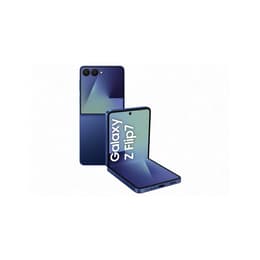
Galaxy Z Flip7 Vs Google Pixel 7A

  • 1-year minimum warranty
  • Free delivery on all orders
  • Free 30-day returns
Galaxy Z Flip7
Starting at

Refurbished price:594.00

Versus €1,328.48 new

See options
Google Pixel 7A
Starting at

Refurbished price:205.00

Versus €509.00 new

See options

Differences at a glance

The Samsung Galaxy Z Flip7 (2025) and the Google Pixel 7A (2023) represent two distinct approaches to modern smartphone design, contrasting a foldable clamshell layout with a traditional candybar form factor. While they target different preferences in hardware design and physical footprint, both run on the Android operating system and deliver capable everyday performance. Deciding between them depends on whether you prioritize innovative pocket-friendly folding mechanics or a standard, structurally solid daily device.

Available Models

Colour

Storage (GB)

Scores

Durability

Durability and hardware longevity differ significantly due to their distinct physical designs, release years, and engineering structures.

  • Release timeline and build: The Galaxy Z Flip7 launched in 2025 as a folding device utilizing flexible display technology and an adjustable hinge, whereas the Google Pixel 7A arrived in 2023 with a rigid unibody frame and traditional glass construction.
  • Software support and updates: Both manufacturers provide long-term operating system updates and security patches, though the newer release year of the Samsung model extends its overall support window further into the future.
  • Expected practical lifespan: While standard rigid phones like the Pixel 7A often show predictable long-term wear on exterior panels, foldable devices require careful handling around the primary screen crease, impacting how each holds up over years of intensive daily use.

Year of Release

2025

2023

Compatible with latest Update

Yes

Yes

OS

Android

Android

Foldable

Yes

No

Performance

System responsiveness and hardware capabilities vary, influencing how each device handles multitasking, storage capacity, and power management.

  • Memory and storage configurations: The Galaxy Z Flip7 offers higher baseline RAM and broader storage tiers up to 512GB, whereas the Pixel 7A provides standard configurations suited for moderate local file storage.
  • Everyday processing and multitasking: Both devices handle daily applications, web browsing, and switching between multiple active tasks smoothly, though heavy gaming or sustained processing runs reveal different thermal thresholds between the two form factors.
  • Battery behavior: Battery endurance varies under heavy load, with the Galaxy Z Flip7 balancing its dual-screen power demands against efficiency updates, while the Pixel 7A delivers reliable daily power for standard communication and media use.

Screen quality

Visual experiences differ notably due to the flexible display panel of the folding model versus the static flat screen of the traditional layout.

  • Display technology: The Galaxy Z Flip7 features a foldable AMOLED primary display paired with an expansive outer cover screen for quick interactions, while the Pixel 7A utilizes a traditional flat OLED screen with a consistent viewing surface.
  • Brightness and outdoor visibility: Both screens reach high peak brightness levels to maintain clarity under direct sunlight, ensuring text and images remain legible outdoors.
  • Refresh rate and smoothness: Both devices support elevated refresh rates that provide fluid scrolling through menus, web pages, and user interfaces during everyday navigation.

Resolution

1080x2520

1080 x 2400

Audiovisual

Optics and media playback capabilities cater to different photography habits and multimedia consumption styles.

  • Camera hardware: The Pixel 7A relies on computational photography software combined with a high-resolution main sensor for consistent point-and-shoot results, whereas the Galaxy Z Flip7 utilizes versatile dual rear lenses that can leverage its folding design for hands-free framing and tripod-free angles.
  • Video and low-light performance: Both models capture stable video clips and handle dim environments effectively using built-in image stabilization and software enhancement tools.
  • Audio output: Stereo speaker setups on both devices deliver clear sound for hands-free calls, casual video viewing, and listening to podcasts without requiring external headphones.

Front camera

10 megapixels

13 megapixels

Miscellaneous

Practical everyday features, connectivity standards, and physical handling characteristics define the day-to-day experience of using these devices.

  • Connectivity and ports: Both models support modern 5G cellular networks, Wi-Fi standards, and Bluetooth pairing, utilizing reversible USB-C ports for charging and data transfer.
  • Security and authentication: The Pixel 7A uses a traditional fingerprint sensor, while the Galaxy Z Flip7 incorporates biometric recognition tailored to its foldable power button and frame layout.
  • Physical dimensions: The Galaxy Z Flip7 folds down into a compact square that slips easily into small pockets, whereas the Pixel 7A maintains a standard, uniform thickness and lightweight rectangular profile for traditional one-handed use.

Weight

188 g

193 g

Screen size (in)

6.9

6.1

Network

5G

5G

SIM card

Physical SIM + eSIM

Physical SIM + eSIM

Carrier compatibility

Unlocked

Unlocked

Connector

USB-C

USB-C

What the community thinks

User feedback highlights distinct preferences for each device across community discussions. Owners of the Galaxy Z Flip7 frequently praise its space-saving folded footprint and the utility of the outer cover screen for checking notifications without opening the phone. Conversely, users of the Google Pixel 7A often commend its straightforward reliability, comfortable ergonomics, and consistent photo output. Common criticisms for the folding model center on the visible crease across the main display, while Pixel 7A users occasionally note warmer operating temperatures during extended gaming sessions.

Users prioritizing compact pocket storage and a novel folding interface may prefer the Galaxy Z Flip7, while users focusing on a traditional candybar layout and straightforward daily reliability will lean toward the Pixel 7A. Exploring a quality-assured refurbished option provides an eco-friendly way to acquire either device while supporting more sustainable technology consumption. Ultimately, the choice rests on whether a flexible dual-screen layout or a conventional rigid form factor better matches your daily routine.