

Compare models
Galaxy Z Fold7 Vs iPhone 17e
- 1-year minimum warranty
- Free delivery on all orders
- Free 30-day returns
Differences at a glance
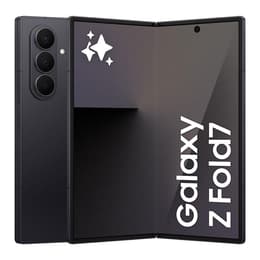
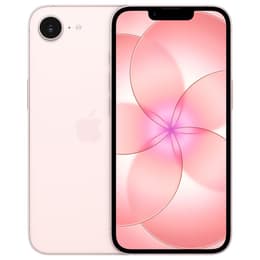
The Samsung Galaxy Z Fold7 (2025) and the Apple iPhone 17e (2026) represent two entirely different approaches to modern mobile design, contrasting a book-style foldable tablet-phone hybrid with a traditional slate smartphone. While the Galaxy Z Fold7 provides an expansive dual-screen layout for enhanced multitasking, the iPhone 17e delivers a streamlined, pocket-friendly form factor running on iOS. These devices cater to distinct hardware philosophies while offering modern core capabilities for daily communication and productivity.
Available Models
Colour
Storage
Scores
Durability
Both models benefit from recent manufacturing timelines and robust software update commitments, though their unique mechanical designs influence long-term physical durability considerations.
- Software Support Longevity: Both manufacturers provide extensive multi-year operating system updates and security patches, ensuring both devices remain current and secure throughout their operational lives.
- Hardware and Mechanical Design: The iPhone 17e utilizes a traditional rigid slate build with high-level water and dust resistance ratings, whereas the Galaxy Z Fold7 features a complex folding hinge mechanism and flexible internal screen that require careful handling over years of daily use.
- Repairability and Maintenance: Traditional slate phones like the iPhone 17e generally present fewer mechanical failure points over time, while foldable devices involve specialized screen components that may require professional servicing if subjected to heavy wear.
Year of Release
2025
2026
OS
Android
iOS
Foldable
Yes
No
Performance
Equipped with high-performance modern processors and generous baseline storage capacities, both devices handle intensive daily tasks, navigation, and streaming smoothly.
- App Loading and Multitasking: Both smartphones launch demanding applications instantly and maintain smooth background process management, though the Galaxy Z Fold7's larger memory allocation excels when running multiple active windows side-by-side.
- Battery Behavior: The iPhone 17e delivers steady energy efficiency that easily clears a full day of typical mixed usage, while the Galaxy Z Fold7's dual-screen configuration draws more power when the main folding display is actively utilized for extended periods.
- Thermal Management and Responsiveness: System fluidity remains high across both models during everyday navigation, media playback, and casual gaming sessions, ensuring responsive touch inputs and stable operating temperatures.
Screen quality
Display architecture is the most striking differentiator between these two devices, balancing expansive foldable workspace against refined single-panel clarity.
- Display Technology and Format: The Galaxy Z Fold7 features a wide 6.5-inch cover screen and an 8.0-inch internal folding OLED panel designed for tablet-style viewing, while the iPhone 17e relies on a crisp 6.1-inch Super Retina XDR OLED screen with vibrant color reproduction.
- Outdoor Visibility and Brightness: Both panels achieve high peak luminance levels, ensuring that text, media, and interface elements remain clearly legible even under direct sunlight.
- Visual Fluidity: High refresh rate support across the displays ensures smooth scrolling through web pages, social media feeds, and system menus on both devices.
Resolution
1968x2184
2532 x 1170
Audiovisual
Imaging capabilities cater to varied user preferences, ranging from versatile multi-lens hardware arrays to streamlined single-lens setups optimized for everyday captures.
- Rear Camera Versatility: The Galaxy Z Fold7 incorporates a flexible triple-lens rear system including a high-resolution main sensor, ultra-wide lens, and optical zoom telephoto option, whereas the iPhone 17e employs a single high-megapixel main camera alongside advanced computational processing.
- Video Recording Quality: Both smartphones capture stable, high-definition video with reliable low-light noise reduction and clear stereo audio recording for home videos and calls.
- Media Consumption and Audio: Built-in stereo speakers on both models deliver clear sound output for casual music listening, video calls, and streaming media without requiring external accessories.
Miscellaneous
Practical everyday features, connectivity standards, and physical dimensions define how easily each device integrates into various lifestyles and travel routines.
- Connectivity and Standards: Both devices support rapid 5G cellular networks, modern Wi-Fi protocols, and reliable Bluetooth pairing for wireless peripherals and accessories.
- Biometrics and Security: The Galaxy Z Fold7 utilizes a side-mounted fingerprint sensor alongside facial recognition, while the iPhone 17e relies on secure Face ID facial authentication.
- Physical Dimensions and Handling: The iPhone 17e offers a lightweight, single-handed slate experience weighing 169 grams, whereas the Galaxy Z Fold7 provides a much larger workspace while maintaining a slim profile that folds down for pocket portability at 215 grams.
Weight
215 g
169 g
Screen size (in)
8.0
6.1
Network
5G
5G
SIM card
Dual Physical SIM + eSIM
eSIM
Carrier compatibility
Unlocked
Unlocked
Connector
USB-C (USB 3)
USB-C (USB 2)
What the community thinks
User feedback highlights distinct preferences for each device across online communities. Owners of the Galaxy Z Fold7 frequently praise the productivity benefits of the expansive inner screen and the convenience of the wider cover display, though some note that foldable care requires extra mindfulness. Conversely, iPhone 17e users appreciate the familiar operating system, reliable battery endurance, and lightweight ergonomics, while noting the absence of an ultra-wide or zoom lens as a limitation for specialized photography.
Users prioritizing multitasking workspace, split-screen productivity, and a tablet-sized canvas will find the Galaxy Z Fold7 well-suited to their needs. Meanwhile, users who prefer a traditional pocket-friendly smartphone, a streamlined single-camera system, and the iOS ecosystem may lean toward the iPhone 17e. For those exploring sustainable hardware choices, a quality-assured refurbished option provides an eco-friendly alternative to purchasing newly manufactured electronics.