

Galaxy S21 5G Vs Google Pixel 8 Pro

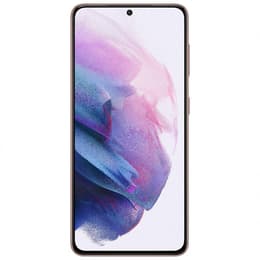
Galaxy S21 5G
Galaxy S21 5G
Starting at

Refurbished price:174.00

Versus €1,026.00 new

See options
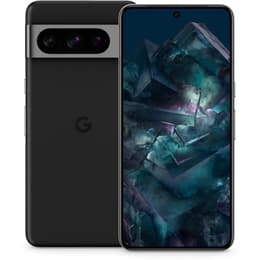
Google Pixel 8 Pro
Google Pixel 8 Pro
Starting at

Refurbished price:293.00

Versus €1,099.00 new

See options

Ratings

The Samsung Galaxy S21 5G, released in January 2021, and the Google Pixel 8 Pro, launched in October 2023, represent different generations of Android flagship smartphones. While both offer premium experiences, the Pixel 8 Pro introduces advancements in camera technology, display quality, and an extended software support timeline, reflecting its more recent release. Both devices operate on the Android platform, but they offer distinct approaches to the user experience and software ecosystem.

Scores

Durability

The practical lifespan of a smartphone is significantly influenced by its software support and physical durability. These two models offer different expectations in terms of longevity and repairability.

  • Software Updates: The Galaxy S21 5G launched with Android 11 and was promised four generations of OS updates and five years of security updates, having received Android 14 (One UI 6) and expected to receive Android 15 (One UI 7) in May 2025. The Pixel 8 Pro, released with Android 14, stands out with an industry-leading commitment of seven years of operating system and security updates, ensuring a longer period of feature and security enhancements.
  • Repairability: The Galaxy S21 5G generally has a moderate repairability score, with some sources indicating around 7.5/10 or 7.75/10 due to an easily removable back plate, though the battery can be challenging to replace due to strong adhesive. Conversely, the Pixel 8 Pro has a moderately lower repairability score, often cited around 4/10, primarily because of glued screens, soldered components, and integrated cameras that complicate repairs, particularly battery replacement.
  • Physical Durability: The Galaxy S21 5G features a Gorilla Glass Victus front, while the Pixel 8 Pro utilizes the newer Gorilla Glass Victus 2 on both its front and back, offering enhanced scratch and drop resistance.

Year of Release

2021

2023

Compatible with latest Update

Yes

Yes

Foldable

No

No

Performance

Performance in daily use is a key differentiator, with the newer Pixel 8 Pro benefiting from more recent hardware advancements compared to the Galaxy S21 5G.

  • Processing Power: The Galaxy S21 5G, powered by an octa-core processor (either Exynos 2100 or Snapdragon 888 depending on the region), provides capable performance for everyday tasks and demanding applications from its release era. The Pixel 8 Pro features Google's Tensor G3 processor, designed with a strong emphasis on artificial intelligence and machine learning tasks, resulting in smooth operation for most users and efficient handling of complex AI-driven features.
  • Multitasking and Storage: The Galaxy S21 5G typically comes with 8GB of RAM and storage options up to 256GB. The Pixel 8 Pro offers 12GB of RAM, contributing to more fluid multitasking, and provides storage options up to 1TB in some regions, catering to users with extensive storage needs.
  • Battery Behavior: The Galaxy S21 5G is equipped with a 4000mAh battery, which many users found sufficient for a full day of moderate use. The Pixel 8 Pro houses a larger 5050mAh battery, and while it generally offers all-day power, some users report varying experiences, with screen-on times typically ranging from 5 to 7 hours under heavy usage.

Memory (GB)

8 GB

12 GB

Screen quality

The visual experience on both devices is vibrant, but the Pixel 8 Pro offers a more advanced display technology.

  • Display Technology and Resolution: The Galaxy S21 5G features a 6.2-inch Dynamic AMOLED 2X display with a resolution of 1080 x 2400 pixels. The Pixel 8 Pro boasts a larger 6.7-inch LTPO OLED display, which Google refers to as 'Super Actua,' offering a higher resolution of 2992 x 1344 pixels. This higher pixel density on the Pixel 8 Pro results in sharper images and finer detail.
  • Brightness and Refresh Rate: Both phones offer a smooth viewing experience with a 120Hz refresh rate. The Galaxy S21 5G can reach a peak brightness of 1300 nits. The Pixel 8 Pro significantly surpasses this with a peak brightness of up to 2400 nits for HDR content and 1600 nits for high-brightness mode, making it exceptionally visible in bright outdoor conditions. The Pixel 8 Pro's LTPO technology also allows for a variable refresh rate, dynamically adjusting from 1Hz to 120Hz to optimize power consumption.
  • Viewing Experience: The larger screen size of the Pixel 8 Pro provides a more expansive canvas for media consumption and productivity. Both displays offer rich colors and deep blacks characteristic of OLED technology, but the Pixel 8 Pro's higher resolution and superior brightness enhance overall clarity and outdoor usability.

Resolution

1080 x 2400

1344 x 2992

Screen type

Dynamic AMOLED 2X

LTPO OLED

Audiovisual

Both smartphones offer capable camera systems, but the Pixel 8 Pro, being a newer device, incorporates more advanced sensors and computational photography features.

  • Rear Camera System: The Galaxy S21 5G features a triple-lens setup with a 12MP wide, 64MP telephoto (with 3x hybrid zoom), and a 12MP ultrawide lens. It is capable of 8K video recording and includes features like Director's View. The Pixel 8 Pro also has a triple rear camera system, consisting of a 50MP wide, a 48MP ultrawide, and a 48MP telephoto lens with 5x optical zoom. The Pixel 8 Pro's higher resolution sensors across the board, particularly for ultrawide and telephoto, contribute to more detailed images.
  • Photography Performance: The Galaxy S21 5G delivers good everyday photos and decent zoom capabilities up to 10x, though quality can degrade beyond that. The Pixel 8 Pro is renowned for its computational photography, offering excellent low-light performance, accurate color reproduction, and advanced AI-driven editing features. Its selfie camera also includes autofocus, a notable improvement.
  • Video Recording and Audio: Both devices offer high-quality video recording. The Galaxy S21 5G supports 8K video at 24fps and 4K at 60fps. The Pixel 8 Pro records up to 4K at 60fps, with improved video quality over its predecessors, though some users note that low-light video stabilization might not always match the very best competitors. Both phones provide good speaker output for media consumption.

Main camera

12 megapixels

50 megapixels

Front camera

10 megapixels

10.5 megapixels

Miscellaneous

Beyond core features, several practical elements contribute to the overall user experience and differentiate these two smartphones.

  • Connectivity and Ports: Both devices support 5G connectivity, ensuring access to faster mobile networks. The Galaxy S21 5G includes Wi-Fi 6 and Bluetooth 5.0 or 5.1. The Pixel 8 Pro features more current connectivity standards, including Wi-Fi 7 (or Wi-Fi 6E, depending on specific market and updates) and Bluetooth 5.3. Both utilize a USB-C port for charging and data transfer and lack a traditional 3.5mm headphone jack.
  • Biometrics and Sensors: Both smartphones incorporate in-display fingerprint sensors for secure unlocking. The Pixel 8 Pro also includes a unique temperature sensor, which can be used for various measurements.
  • Design and Handling: The Galaxy S21 5G has dimensions of 151.7 x 71.2 x 7.9 mm and weighs between 169-171g, offering a more compact and lighter form factor. The Pixel 8 Pro is a larger and heavier device, measuring 162.6 x 76.5 x 8.8 mm and weighing 213g, which might impact one-handed use for some users. The standard Galaxy S21 features a plastic back, while the Pixel 8 Pro uses glass on both the front and back.

Weight

171 g

213 g

Screen size (in)

6.2

6.7

Network

5G

5G

SIM card

Physical SIM + eSIM

Physical SIM + eSIM

Carrier compatibility

Unlocked

Unlocked

User feedback for the Pixel 8 Pro frequently highlights its exceptional camera capabilities, smooth software experience, and the significant commitment to long-term software updates. Common criticisms sometimes point to occasional heating under heavy load, some minor software bugs, and battery life that, while generally good, may not always outperform all competitors. For the Galaxy S21 5G, users often praised its balanced size, capable camera system for its release year, and overall solid performance. As an older model, some criticisms now revolve around its aging hardware compared to newer devices and the plastic back on the base model.

Users prioritizing cutting-edge camera technology, a clean Android experience with extensive AI features, and the longest possible software support will find the Google Pixel 8 Pro well-suited to their needs. Its superior display brightness and higher resolution also cater to those who consume a lot of media or use their phone outdoors frequently. Conversely, users seeking a more compact and lighter device with reliable performance and a capable camera system for everyday photography may lean towards the Samsung Galaxy S21 5G. Choosing a quality-assured refurbished option for either device can provide an eco-friendly alternative, extending the life of these electronics and offering a sustainable choice for consumers.


See all articles

Our recent comparisons