

Galaxy Z Fold6 Vs Google Pixel 7 Pro

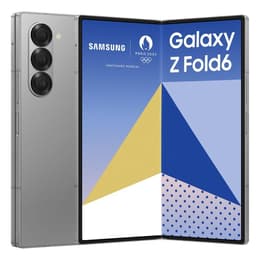
Galaxy Z Fold6
Galaxy Z Fold6
Starting at

Refurbished price:750.00

Versus €1,973.53 new

See options
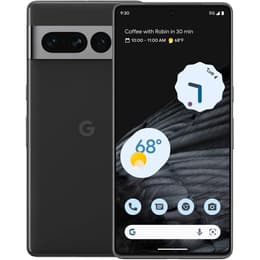
Google Pixel 7 Pro
Google Pixel 7 Pro
Starting at

Refurbished price:201.00

Versus €640.98 new

See options

Ratings

The Samsung Galaxy Z Fold6, released in July 2024, and the Google Pixel 7 Pro, launched in October 2022, represent distinct approaches to premium smartphone design. The primary difference lies in their form factor: the Z Fold6 offers a foldable design that transforms from a compact smartphone into a larger tablet-like display, while the Pixel 7 Pro maintains a traditional, rigid smartphone structure. Both devices operate on the Android platform, but with different user interface philosophies and software update commitments.

Scores

Durability

The expected lifespan of a smartphone is influenced by its release timeline, software support, and physical resilience. These two devices offer different propositions in these areas.

  • Software Longevity: The Galaxy Z Fold6, being a newer device, benefits from Samsung's commitment to providing seven years of software updates, including OS upgrades and security patches. The Google Pixel 7 Pro, released earlier, offers three years of OS updates and five years of security updates from its launch.
  • Physical Durability: The Galaxy Z Fold6 features an IP48 rating, indicating resistance to dust and water submersion. Its construction includes Corning Gorilla Glass Victus 2 on the cover screen and back, along with an Enhanced Armor Aluminum frame. The Pixel 7 Pro carries an IP68 rating, offering a higher degree of water and dust resistance.
  • Repairability Considerations: Foldable devices like the Galaxy Z Fold6 generally present more complex repair challenges due to their intricate hinge mechanisms and dual-display setup. Traditional smartphones like the Pixel 7 Pro typically have a more straightforward internal design, which can sometimes translate to easier repairs.

Year of Release

2024

2022

Compatible with latest Update

Yes

Yes

OS

Android

Android

Foldable

Yes

No

Performance

Performance is a key aspect for users, impacting everything from app responsiveness to demanding tasks. The core components driving these experiences differ between the two models.

  • Processing Power: The Galaxy Z Fold6 is equipped with a current-generation processor, enabling smooth handling of demanding applications, efficient multitasking, and responsive gaming experiences. The Pixel 7 Pro utilizes a previous-generation processor, which still delivers capable performance for everyday use and many intensive tasks, but may show a difference in speed for the most demanding applications compared to newer chipsets.
  • Multitasking and Storage: Both devices offer 12 GB of RAM, contributing to effective multitasking and app management. Storage options for the Galaxy Z Fold6 range up to 1 TB, while the Pixel 7 Pro is available with up to 512 GB of internal storage.
  • Battery Performance: The Galaxy Z Fold6 houses a 4,400 mAh battery, designed to power its dual-screen functionality. The Pixel 7 Pro features a larger 5,000 mAh battery, which typically provides ample power for a full day of use for many users.

Memory (GB)

12 GB

12 GB

Screen quality

The visual experience is central to smartphone interaction, and both devices offer high-quality displays with distinct characteristics.

  • Display Technology and Brightness: The Galaxy Z Fold6 features a 7.6-inch foldable Dynamic AMOLED 2X main display and a 6.3-inch Dynamic AMOLED 2X cover display, both offering an adaptive refresh rate of up to 120Hz and a peak brightness of up to 2,600 nits. The Pixel 7 Pro has a 6.7-inch LTPO AMOLED display with a 120Hz refresh rate and a peak brightness of 1,500 nits.
  • Resolution and Clarity: The Z Fold6's main display has a resolution of 2160 x 1856 pixels, providing a sharp and detailed viewing experience on its larger canvas. The Pixel 7 Pro offers a resolution of 1440 x 3120 pixels, resulting in crisp visuals on its traditional form factor.
  • Viewing Experience: The Z Fold6's foldable design allows for an expansive screen when unfolded, suitable for immersive media consumption and productivity. The Pixel 7 Pro's large, high-resolution display provides a premium viewing experience in a conventional smartphone format.

Resolution

1856 x 2160

1440 x 3120

Audiovisual

Both smartphones offer advanced camera systems, though their strengths and capabilities cater to slightly different photographic preferences.

  • Rear Camera Systems: The Galaxy Z Fold6 features a triple rear camera setup with a 50 MP wide-angle lens, a 12 MP ultra-wide lens, and a 10 MP telephoto lens with 3x optical zoom. The Pixel 7 Pro also has a triple rear camera system, comprising a 50 MP wide-angle lens, a 12 MP ultra-wide lens, and a 48 MP telephoto lens with 5x optical zoom.
  • Low-Light and Zoom Performance: The Pixel 7 Pro is widely recognized for its computational photography, excelling in low-light conditions and offering impressive zoom capabilities, including its 5x optical zoom and Super Res Zoom technology. The Z Fold6's camera system delivers solid performance in various settings, with AI enhancements improving image quality, though some user reviews suggest its low-light performance on the ultra-wide lens can be noisy.
  • Video Recording and Front Cameras: Both devices are capable of high-quality video recording. The Z Fold6 includes a 10 MP camera on its cover screen and a 4 MP under-display camera on the main screen. The Pixel 7 Pro features a 10.8 MP ultra-wide front camera.

Front camera

4 megapixels

10.8 megapixels

Miscellaneous

Beyond the core specifications, several practical features and design elements contribute to the overall user experience of these devices.

  • Connectivity and Ports: Both smartphones support 5G connectivity and modern Wi-Fi standards, with the Z Fold6 featuring Wi-Fi 6E and Bluetooth 5.3, and the Pixel 7 Pro also supporting Wi-Fi 6E and Bluetooth 5.2. Both utilize a USB-C port for charging and data transfer, and neither includes a traditional 3.5mm headphone jack.
  • Biometrics and Sensors: The Galaxy Z Fold6 incorporates a fingerprint sensor for secure unlocking. The Pixel 7 Pro offers both an under-display fingerprint reader and face unlock. Both devices include a range of sensors for various functionalities.
  • Design and Handling: The Galaxy Z Fold6, when folded, measures 153.5 x 68.1 x 12.1 mm and weighs 239 g, offering a more compact form factor for one-handed use. When unfolded, it expands to 153.5 x 132.6 x 5.6 mm. The Pixel 7 Pro has dimensions of 162.9 x 76.6 x 8.9 mm and weighs 212 g, providing a substantial yet comfortable feel in hand. The Z Fold6 also supports S Pen input on its main display, though the stylus is sold separately.

Weight

239 g

212 g

Screen size (in)

7.6

6.7

Network

5G

5G

SIM card

Physical SIM + eSIM

Physical SIM + eSIM

Carrier compatibility

Unlocked

Unlocked

User feedback for the Galaxy Z Fold6 often highlights its innovative foldable design and the versatility of having a large screen in a portable format. Users appreciate the enhanced multitasking capabilities and the immersive viewing experience. Some common criticisms, however, point to the camera system, which, while capable, may not always match the performance of traditional flagship smartphones, particularly in specific low-light scenarios or at higher zoom levels. The Pixel 7 Pro consistently receives praise for its exceptional camera performance, especially its computational photography features that deliver impressive results in various lighting conditions and with its zoom capabilities. Users also value its clean Android experience and consistent software updates. Some feedback has occasionally mentioned battery life as not being class-leading for heavy users, and its processor, while good, is not the absolute newest.

Users prioritizing a cutting-edge, adaptable form factor for productivity and immersive media consumption may find the Galaxy Z Fold6 well-suited to their needs. Its larger, brighter displays and extended software support make it a compelling choice for those seeking a versatile device. Conversely, users who prioritize a top-tier camera experience, consistent software updates, and a streamlined Android interface in a traditional smartphone design will likely lean toward the Google Pixel 7 Pro. Both devices offer robust performance and features, and considering a quality-assured refurbished option for either model can be an eco-friendly alternative for making an informed choice.


See all articles

Our recent comparisons