

Compare models
Galaxy Z Flip7 Vs Xiaomi Redmi Note 13 Pro
- 1-year minimum warranty
- Free delivery on all orders
- Free 30-day returns
Differences at a glance
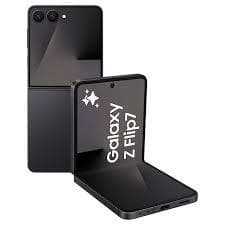
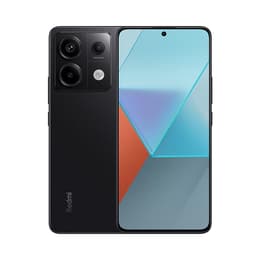
The Samsung Galaxy Z Flip7 (2025) and the Xiaomi Redmi Note 13 Pro (2024) occupy completely different segments of the smartphone market, pitting an innovative folding device against a traditional mid-range slate form factor. While the Galaxy Z Flip7 emphasizes a pocket-friendly clamshell design and modern software capabilities, the Xiaomi Redmi Note 13 Pro focuses on delivering a reliable, large-screen traditional layout. Operating on distinct builds of Android with separate manufacturer interfaces, these devices cater to users seeking entirely different physical interaction styles and daily experiences.
Available Models
Colour
Storage
Scores
Durability
When examining hardware longevity and build durability, these two devices approach physical and software support through vastly different design frameworks and release timelines.
- Software Support Duration: The Galaxy Z Flip7 benefits from a later release window and a multi-year update commitment from its manufacturer, extending its active software lifecycle further into the future compared to its counterpart.
- Structural Resilience: The Xiaomi Redmi Note 13 Pro utilizes a conventional slab body with rigid glass protection, whereas the Galaxy Z Flip7 incorporates a flexible folding screen mechanism that requires distinct hinge maintenance over years of regular use.
- Repairability and Maintenance: Conventional slate designs like the Xiaomi model generally offer straightforward repair processes for standard components, while foldable hardware involves specialized servicing procedures for the folding display assembly.
Year of Release
2025
2023
Compatible with latest Update
Yes
Yes
OS
Android
Android
Foldable
Yes
No
Performance
Under everyday workloads, both smartphones handle daily tasks, communication apps, and media streaming capably, though their internal processing power and memory configurations differ noticeably.
- Multitasking and Responsiveness: The Galaxy Z Flip7 handles heavy application switching and demanding graphical tasks smoothly with ample high-speed memory, while the Xiaomi Redmi Note 13 Pro manages standard productivity apps and routine browsing reliably.
- Battery Behavior: The Xiaomi Redmi Note 13 Pro features a traditional energy capacity that typically sustains standard daily routines comfortably, whereas the compact footprint of the Galaxy Z Flip7 involves distinct power management due to its folding architecture.
- Storage Ecosystem: Both options provide generous internal capacity tiers for media files and applications, though neither features expandable storage slots for physical memory cards.
Screen quality
Visual output represents a major differentiating factor, contrasting a flexible folding panel against a rigid, high-resolution traditional display.
- Display Technology: The Galaxy Z Flip7 deploys a dynamic folding organic light-emitting panel that adjusts its refresh rate fluidly, while the Xiaomi Redmi Note 13 Pro utilizes a vibrant flat screen known for sharp text rendering and consistent color depth.
- Outdoor Visibility: Both models deliver high peak brightness capabilities, ensuring that menus and media remain legible under direct sunlight or bright outdoor conditions.
- Physical Viewing Area: The Xiaomi model offers an uninterrupted wide viewing pane ideal for standard video consumption, whereas the Galaxy Z Flip7 provides a tall aspect ratio alongside a functional outer cover display for quick notifications without unfolding.
Resolution
1080x2520
1220 x 2712
Audiovisual
Photography and media capture capabilities cater to different creative preferences, balancing specialized folding utility with high-resolution traditional sensor output.
- Main Sensor Performance: The Xiaomi Redmi Note 13 Pro relies on a very high-megapixel main sensor designed to capture fine details in daylight, while the Galaxy Z Flip7 balances a dual-camera setup optimized for flexible angles and clever mounting options.
- Low-Light Photography: Both devices incorporate automated processing software to brighten dimly lit scenes, reducing visual grain during evening or indoor snapshots.
- Video and Audio Output: The Galaxy Z Flip7 offers advanced stabilization modes suitable for handheld video creation, while both handsets deliver clear stereo speaker output appropriate for casual media playback and hands-free calling.
Main camera
50 megapixels
200 megapixels
Front camera
10 megapixels
16 megapixels
Miscellaneous
Practical daily usability elements shape how each device integrates into traveling, commuting, and standard mobile routines.
- Connectivity and Ports: Both options support modern mobile network bands and wireless standards, utilizing standard reversible charging ports while omitting legacy analog audio jacks.
- Authentication Sensors: The Xiaomi model features a responsive fingerprint reader embedded beneath the display surface, whereas the Galaxy Z Flip7 integrates its biometric sensor directly into the side power button alongside facial recognition options.
- Physical Handling: The Galaxy Z Flip7 folds down into a compact square that slips easily into smaller pockets, while the Xiaomi Redmi Note 13 Pro offers a traditional, lightweight slab profile that requires standard pocket depth.
Weight
188 g
187 g
Screen size (in)
6.9
6.67
Network
5G
5G
SIM card
Physical SIM + eSIM
Dual Physical SIM
Carrier compatibility
Unlocked
Unlocked
Connector
USB-C
USB-C
What the community thinks
Real-world feedback from community forums highlights distinct preferences for each device. Users frequently praise the Galaxy Z Flip7 for its compact folding novelty, versatile outer screen utility, and modern ecosystem integration, though some note that the folding crease requires minor visual getting used to. Conversely, owners of the Xiaomi Redmi Note 13 Pro frequently commend its reliable daily battery endurance, crisp traditional display, and straightforward everyday reliability without unnecessary complexity.
Users prioritizing pocket convenience, modern form factors, and innovative folding mechanics will find the Samsung Galaxy Z Flip7 well-suited to their needs. Meanwhile, users prioritizing a traditional widescreen layout, straightforward battery dependability, and classic smartphone handling may lean toward the Xiaomi Redmi Note 13 Pro. For those exploring sustainable hardware choices, a quality-assured refurbished option from Back Market provides an eco-friendly alternative that extends device life cycles responsibly.