

iPhone

Compare models
Differences at a glance
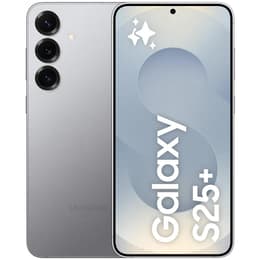
The Samsung Galaxy S25 Plus, released in early 2025, and the Xiaomi Redmi Note 11 Pro 5G, launched in early 2022, are distinct smartphones. The Galaxy S25 Plus operates on Android 15, offering a more recent software experience and extended support, while the Redmi Note 11 Pro 5G launched with Android 11. A primary distinction lies in their processing power and software longevity.
Colour
Storage
The practical lifespan of a smartphone is influenced by its release timeline, software support, and physical resilience. The Samsung Galaxy S25 Plus, released in February 2025, benefits from Samsung's commitment to providing seven years of OS upgrades and security updates, extending its software relevance significantly into the future. The Redmi Note 11 Pro 5G, launched in February 2022, originally ran Android 11 and its security updates concluded around January 2025. This difference means the Galaxy S25 Plus offers considerably longer official software support.
Year of Release
OS
Foldable
The core performance of these two devices varies significantly due to their respective release dates and target segments. The Samsung Galaxy S25 Plus is equipped with a current-generation processor, designed to handle demanding applications and extensive multitasking with ease. The Redmi Note 11 Pro 5G, on the other hand, features a mid-range processor from its release year, suitable for everyday tasks but with limitations for more intensive use.
Both smartphones offer vibrant displays, but with notable differences in technology and resolution that impact the viewing experience. The Samsung Galaxy S25 Plus features a 6.7-inch Dynamic AMOLED 2X display, providing a high-resolution and bright visual experience. The Xiaomi Redmi Note 11 Pro 5G comes with a 6.67-inch Super AMOLED display, known for its vivid colors and smooth refresh rate.
Resolution
Screen type
The camera systems and audio capabilities of these phones cater to different expectations, reflecting their respective market positions. The Samsung Galaxy S25 Plus offers a versatile triple-camera setup with advanced features for photography and video. The Xiaomi Redmi Note 11 Pro 5G also includes a triple-camera array, focusing on a high-megapixel main sensor.
Beyond the core features, several practical elements differentiate these two smartphones, impacting daily usability and convenience.
Weight
Screen size (in)
Network
SIM card
Carrier compatibility
User feedback for the Samsung Galaxy S25 Plus often highlights its smooth performance, vibrant display, and long software support as significant advantages. Users appreciate its premium feel and robust battery life, often lasting more than a full day even with heavy use. Some criticisms occasionally point to the camera's consistency in certain low-light conditions or the perceived lack of significant camera hardware upgrades compared to previous generations.
For the Xiaomi Redmi Note 11 Pro 5G, common praise centers on its bright AMOLED display, excellent battery life, and fast wired charging. Users also value the inclusion of a headphone jack and expandable storage. However, frequent criticisms include its limited video recording capabilities (no 4K), the older Android version it launched with, and a shorter software update commitment.
Users prioritizing long-term software support, cutting-edge performance for demanding applications, and high-resolution video recording will find the Samsung Galaxy S25 Plus well-suited to their needs. Its advanced display and overall system responsiveness cater to those seeking a premium smartphone experience. Conversely, users who value extended battery life, very fast wired charging, expandable storage, and a traditional headphone jack may lean towards the Xiaomi Redmi Note 11 Pro 5G. This device is practical for everyday tasks and media consumption. Both devices are available as quality-assured refurbished options, providing an eco-friendly choice.