


Compare models
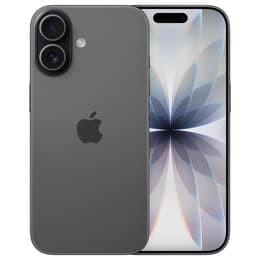
Galaxy Z Flip7 Vs iPhone 17
- 1-year minimum warranty
- Free delivery on all orders
- Free 30-day returns
Differences at a glance
The Samsung Galaxy Z Flip7 (2025) and the iPhone 17 (2025) represent two distinct approaches to modern mobile technology, combining a foldable clamshell design with a traditional slate form factor. While both devices launched in 2025 as flagship offerings, they diverge significantly in physical construction, operating system ecosystems, and daily user interaction styles. The Samsung Galaxy Z Flip7 runs on Android with custom software features optimized for dual-screen folding use, whereas the iPhone 17 operates on Apple's iOS platform. Choosing between them depends largely on whether physical versatility or standard slab reliability aligns better with your daily routine.
Available Models
Colour
Storage
Scores
Durability
Both smartphones arrive from the 2025 generation, ensuring modern hardware longevity, though their physical designs introduce different structural considerations for long-term ownership.
- Software longevity: Both manufacturers provide extensive multi-year software and security update commitments, keeping each device functional and secure for years of regular use.
- Repairability and durability: The iPhone 17 features a rigid glass-and-aluminum slab construction with high water resistance ratings, while the Galaxy Z Flip7 incorporates a flexible folding display mechanism that requires careful handling over extended periods.
- Expected lifespan: Users who prioritize traditional drop resistance will find the standard slate format robust, whereas those who carefully manage folding hardware can expect a multi-year service life from both models.
Year of Release
2025
2025
Compatible with latest Update
Yes
Yes
OS
Android
iOS
Foldable
Yes
No
Performance
Daily execution relies on high-tier mobile hardware configurations designed to handle demanding applications, intensive multitasking, and quick app transitions effortlessly.
- Multitasking and memory: Both models include generous baseline RAM configurations that allow seamless background app switching, split-screen workflows, and smooth navigation through resource-heavy software.
- Battery behavior: The iPhone 17 manages power efficiently for all-day usage under standard conditions, while the Galaxy Z Flip7 features a split battery architecture tailored to power its folding display and external cover screen during typical daily tasks.
- System responsiveness: Current-generation internal processors in both devices ensure rapid app loading times, fluid gaming performance, and consistent thermal management during extended use sessions.
Screen quality
Visual output differs fundamentally through display technology, offering either a continuous single-pane viewing area or an innovative folding dual-screen layout.
- Display technology: The iPhone 17 utilizes a bright OLED panel with high pixel density and smooth high-refresh-rate capabilities, while the Galaxy Z Flip7 features a folding internal OLED screen paired with a large, functional external cover display.
- Outdoor visibility: High peak brightness levels on both devices ensure clear readability and vibrant text contrast even under direct sunlight or bright outdoor environments.
- Viewing experience: The iPhone 17 provides an uninterrupted widescreen canvas for media consumption, whereas the Galaxy Z Flip7 allows unique folding angles for hands-free video viewing and quick notifications via its outer panel.
Resolution
1080x2520
2622x1206
Audiovisual
Imaging hardware on both smartphones covers everyday photography and video recording needs reliably through multi-lens rear configurations and advanced processing software.
- Camera systems: Both devices feature high-resolution primary and ultra-wide lenses that capture sharp daytime detail, balanced colors, and effective low-light imagery through automatic computational adjustments.
- Video and audio recording: Video stabilization features produce smooth handheld footage across varying motion conditions, complemented by clear microphone arrays that isolate voice input effectively during calls and video messages.
- Media output: Built-in stereo speakers deliver balanced sound reproduction for casual media listening, hands-free calling, and video playback without requiring external accessories.
Front camera
10 megapixels
18 megapixels
Miscellaneous
Physical dimensions and connectivity standards shape how each smartphone integrates into everyday travel, accessorizing, and communication setups.
- Connectivity and ports: Both models support current wireless standards including fifth-generation cellular data and fast Wi-Fi protocols, utilizing modern universal connection ports for charging and data transfer.
- Handling and ergonomics: The iPhone 17 maintains a standard pocket-friendly rectangular profile, whereas the Galaxy Z Flip7 folds in half to occupy significantly less pocket space while adding slight thickness when closed.
- Authentication and sensors: Fast facial recognition or secure biometric fingerprint sensors provide quick device unlocking and safe authorization for mobile payments and protected applications.
Weight
188 g
177 g
Screen size (in)
6.9
6.3
Network
5G
5G
SIM card
Physical SIM + eSIM
eSIM
Carrier compatibility
Unlocked
Unlocked
Connector
USB-C
USB-C
What the community thinks
User discussions across online communities highlight distinct preferences for each device based on lifestyle and hardware priorities. Owners of the Galaxy Z Flip7 frequently praise its compact folded footprint, flexible multi-angle viewing capabilities, and the convenience of checking information on the expansive outer screen without opening the phone. Conversely, iPhone 17 users emphasize the reliability of its traditional slate form factor, long battery endurance, and seamless integration within the broader Apple software ecosystem.
Users who prioritize pocket convenience, creative angles for media creation, and versatile folding hardware will find the Galaxy Z Flip7 well-suited to their preferences. Meanwhile, users who value a sturdy traditional display, straightforward single-screen ergonomics, and iOS software continuity will lean toward the iPhone 17. For consumers seeking sustainable choices, exploring a quality-assured refurbished option provides an eco-friendly alternative to purchasing brand-new hardware.









