

Galaxy Z Flip5 Vs iPhone 12

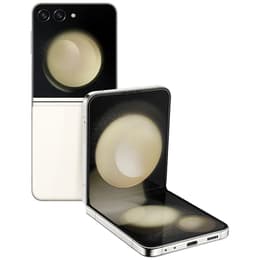
Galaxy Z Flip5
Galaxy Z Flip5
Starting at

Refurbished price:357.00

Versus €1,470.83 new

See options
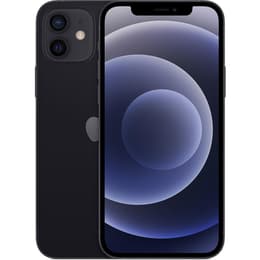
iPhone 12
iPhone 12
Starting at

Refurbished price:174.00

Versus €829.00 new

See options

Ratings

The Samsung Galaxy Z Flip5, a foldable smartphone released in August 2023, and the Apple iPhone 12, a traditional slab smartphone launched in October 2020, offer distinct mobile experiences. Their primary differences lie in their innovative form factor versus a classic design, their respective operating systems (Android for the Z Flip5 and iOS for the iPhone 12), and the generational gap in their release dates.

Scores

Durability

When considering the practical lifespan of these devices, their release timelines and software support policies are key factors. The Galaxy Z Flip5, being a newer device from 2023, benefits from Samsung's commitment to four major Android OS updates and five years of security updates from its release date. The iPhone 12, released in 2020, typically receives iOS updates for approximately five to six years from its launch, offering a robust software longevity.

  • Physical Durability: The iPhone 12 features a Ceramic Shield front cover and an aluminum frame, contributing to its notable drop resistance and IP68 water resistance. The Galaxy Z Flip5 incorporates an Armor Aluminum frame and IPX8 water resistance, with Gorilla Glass Victus 2 protecting its cover screen and back. However, its foldable design introduces considerations regarding the longevity of the inner screen and hinge mechanism, which some users have noted as potential points of concern over time.
  • Software Longevity: The Z Flip5 is expected to receive major Android updates for a substantial period, ensuring access to new features and security enhancements. The iPhone 12, while older, continues to receive regular iOS updates, maintaining its functionality and security for an extended duration.
  • Repairability: Both devices are designed with specific repair considerations. The iPhone 12's construction, while durable, can involve complex repairs for screen or back glass damage. The Z Flip5's foldable nature means that screen and hinge repairs can be more intricate due to its specialized components.

Year of Release

2023

2020

Compatible with latest Update

Yes

Yes

OS

Android

iOS

Foldable

Yes

No

Performance

The performance of a smartphone significantly impacts daily usage, from app responsiveness to handling demanding tasks. The Galaxy Z Flip5, with its more recent processor, delivers excellent performance for multitasking, graphic-intensive games, and demanding applications. The iPhone 12, while older, still provides a smooth and responsive experience for everyday tasks, gaming, and general multitasking.

  • Processing Power: The Galaxy Z Flip5 is equipped with a current-generation processor that ensures swift app loading, seamless transitions between applications, and efficient handling of intensive computational tasks. The iPhone 12 features a capable processor that continues to offer strong performance for most users, maintaining fluidity across the iOS ecosystem.
  • Multitasking Capabilities: The Galaxy Z Flip5 typically includes 8GB of RAM, which supports robust multitasking and allows users to keep numerous applications open simultaneously without significant slowdowns. The iPhone 12 comes with 4GB of RAM, providing sufficient capacity for smooth app switching and general usage within the iOS environment.
  • Storage and Battery: The Galaxy Z Flip5 offers a starting storage capacity of 256GB, providing ample space for apps, photos, and media. The iPhone 12 typically starts with 64GB of storage, with higher options available. User experiences with the Z Flip5's battery life vary, with some finding it sufficient for average use, while heavy users may experience faster drainage. The iPhone 12 generally offers decent battery life for typical daily use, though intensive usage may require more frequent charging.

Memory (GB)

8 GB

4 GB

Screen quality

The display is a primary interface for smartphone interaction, and both the Galaxy Z Flip5 and iPhone 12 offer high-quality viewing experiences, albeit with distinct characteristics due to their design and technology.

  • Display Technology and Clarity: The Galaxy Z Flip5 features a 6.7-inch Foldable Dynamic AMOLED 2X main display with a 120Hz refresh rate, offering vibrant colors, deep blacks, and smooth scrolling. It also boasts a larger 3.4-inch Super AMOLED cover screen, enhancing external interactions. The iPhone 12 sports a 6.1-inch Super Retina XDR OLED display, known for its excellent color accuracy, contrast, and sharp resolution.
  • Brightness and Refresh Rate: The Z Flip5's main screen can reach a peak brightness of 1750 nits, ensuring good visibility even in bright outdoor conditions. Its 120Hz refresh rate provides a fluid visual experience. The iPhone 12 offers a typical brightness of 625 nits and a peak of 1200 nits for HDR content, with a standard 60Hz refresh rate.
  • Viewing Experience: The Z Flip5's foldable design allows for a compact form factor when closed and a large, immersive screen when unfolded, with the cover screen providing quick access to information and functions. The iPhone 12 delivers a consistent and high-quality viewing experience on its traditional flat display, well-suited for media consumption and daily tasks.

Resolution

1080 x 2640

1170 x 2532

Screen type

Foldable Dynamic AMOLED 2X

Super Retina XDR OLED

Audiovisual

Both the Galaxy Z Flip5 and the iPhone 12 are equipped with capable camera systems designed to capture moments with clarity and detail, though they approach image processing and feature sets from different perspectives.

  • Camera System Configuration: The Galaxy Z Flip5 features a dual-camera setup on the rear, consisting of a 12MP wide-angle lens with optical image stabilization (OIS) and a 12MP ultra-wide lens. The iPhone 12 also comes with a dual 12MP camera system, including a wide-angle lens with OIS and an ultra-wide lens.
  • Photography Performance: The Z Flip5 leverages computational photography to enhance image quality, producing vibrant and detailed photos in good lighting conditions. Its low-light performance has seen improvements, though some users note it may not always match the top-tier flagship devices. The iPhone 12 is recognized for its consistent image quality, particularly its strong low-light performance thanks to Night mode across all cameras.
  • Video and Audio: The Z Flip5 is capable of recording high-quality video, with improvements in stabilization and detail, especially in its ultra-wide video capture. The iPhone 12 excels in video recording, offering 4K Dolby Vision HDR video capture, which provides enhanced color depth and dynamic range. Both devices offer good microphone quality for calls and recordings, and their speakers provide clear audio for media consumption.

Main camera

12 megapixels

12 megapixels

Front camera

10 megapixels

12 megapixels

Miscellaneous

Beyond core features, several practical elements contribute to the overall user experience, including connectivity, physical design, and integrated sensors. These aspects can influence how each device integrates into a user's daily routine.

  • Connectivity and Ports: Both smartphones support 5G connectivity, enabling faster mobile data speeds where available. The Galaxy Z Flip5 features Wi-Fi 6E and Bluetooth 5.3 for advanced wireless connections, and it uses a USB-C port for charging and data transfer. The iPhone 12 includes Wi-Fi 6 and Bluetooth 5.0, utilizing Apple's proprietary Lightning port. Neither device includes a traditional 3.5mm headphone jack.
  • Biometric Security: The Galaxy Z Flip5 incorporates a side-mounted fingerprint sensor for secure and convenient unlocking. The iPhone 12 relies on Face ID, Apple's facial recognition system, for biometric authentication.
  • Design and Handling: The Galaxy Z Flip5's defining characteristic is its foldable design, allowing it to be significantly more compact when closed (71.9 x 85.1 x 15.1mm, 187g), making it highly portable. When unfolded, it presents a larger screen (165.1 x 71.9 x 6.9mm). The iPhone 12 maintains a traditional smartphone form factor (146.7 x 71.5 x 7.4 mm, 164g), offering a familiar and consistent handling experience. The Z Flip5's build materials include an Armor Aluminum frame, while the iPhone 12 features an aluminum frame.

Weight

187 g

164 g

Screen size (in)

6.7

6.1

Network

5G

5G

SIM card

Physical SIM + eSIM

Physical SIM + eSIM

Carrier compatibility

Unlocked

Unlocked

User feedback for the Galaxy Z Flip5 often highlights its innovative foldable design and the utility of its large cover screen as significant advantages, offering a fresh take on smartphone interaction. Its strong performance is also frequently praised. However, some users express concerns about its battery life, especially under heavy usage, and note that its camera system, while capable, may not always compete with the very best in its class. Durability of the foldable screen and hinge has also been a point of discussion among users.

The iPhone 12 consistently receives praise for its reliable performance, the robust iOS ecosystem, and its dependable camera capabilities, particularly in low-light conditions. Its Ceramic Shield front cover is often cited for its enhanced durability. Criticisms sometimes revolve around its 60Hz display, which some users find less fluid compared to higher refresh rate screens, and its battery life for very heavy users.

Users prioritizing a compact, innovative form factor with a unique interactive experience and strong performance may find the Galaxy Z Flip5 well-suited to their needs. Those who value a consistently reliable, durable device with a proven camera system and a long-standing software support ecosystem might lean towards the iPhone 12. Both devices are available as quality-assured refurbished options, providing an eco-friendly alternative for consumers.

See all articles

Our recent comparisons