

Galaxy Z Flip5 Vs Google Pixel 8 Pro

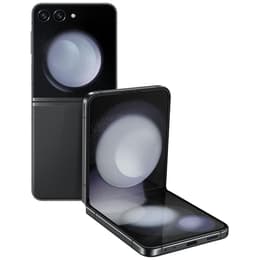
Galaxy Z Flip5
Galaxy Z Flip5
Starting at

Refurbished price:357.00

Versus €1,470.83 new

See options
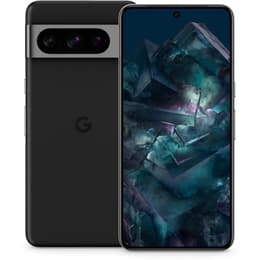
Google Pixel 8 Pro
Google Pixel 8 Pro
Starting at

Refurbished price:293.00

Versus €1,099.00 new

See options

Ratings

The Samsung Galaxy Z Flip5, released in August 2023, and the Google Pixel 8 Pro, launched in October 2023, represent distinct approaches to modern smartphone design. The Z Flip5 offers a unique foldable clamshell form factor, prioritizing portability and a compact experience, while the Pixel 8 Pro is a traditional slab-style flagship known for its advanced camera system and AI-driven features. Both devices run on the Android operating system, but they offer different user experiences through their respective software interfaces and hardware specializations.

Scores

Durability

When considering the long-term usability of these devices, their release timelines and software support are key factors.

  • Release and Software Support: The Galaxy Z Flip5, released in August 2023, is committed to four generations of Android OS upgrades (up to Android 17) and five years of security updates (through 2028). The Google Pixel 8 Pro, launched in October 2023, offers an extended commitment of seven years of operating system and security updates, which is a notable difference for users prioritizing software longevity.
  • Repairability: The Galaxy Z Flip5 has a moderate repairability score of 6.5 out of 10, with some components like the battery being relatively accessible due to pull tabs. The Pixel 8 Pro's repairability is considered lower, with a score of around 4.0 out of 10, primarily due to the difficulty in accessing and replacing components like the battery and screen, which often require specialized tools and processes.
  • Practical Lifespan: Both devices are built with durable materials, including Gorilla Glass Victus 2, offering protection against everyday wear. However, the Pixel 8 Pro's longer software support commitment suggests a potentially longer period of receiving new features and security patches, which can extend its practical lifespan for users who value up-to-date software.

Year of Release

2023

2023

Compatible with latest Update

Yes

Yes

Foldable

Yes

No

Performance

The performance of the Galaxy Z Flip5 and the Google Pixel 8 Pro is influenced by their respective processors and system optimizations, leading to different strengths in real-world usage.

  • Processor Capabilities: The Galaxy Z Flip5 is equipped with a current-generation processor optimized for its foldable form factor, providing smooth operation for daily tasks and multitasking. The Pixel 8 Pro features a current-generation processor designed with a strong emphasis on AI and machine learning tasks, which enhances features like computational photography and voice processing.
  • System Responsiveness and Multitasking: Both devices offer responsive performance for general use, app loading, and navigation. The Pixel 8 Pro, with its 12GB of RAM, generally handles extensive multitasking and demanding applications with ease. The Z Flip5, typically with 8GB of RAM, also provides a fluid experience, though the Pixel 8 Pro may offer a slight edge in managing a very large number of open applications simultaneously.
  • Battery Behavior: The Galaxy Z Flip5 has a 3700 mAh battery, which for heavy users may require more frequent charging. The Pixel 8 Pro features a larger 5050 mAh battery, generally providing all-day power for most users, even under heavy use.

Memory (GB)

8 GB

12 GB

Screen quality

The display experience on the Galaxy Z Flip5 and the Google Pixel 8 Pro differs significantly due to their distinct form factors and display technologies.

  • Display Technology and Size: The Galaxy Z Flip5 features a 6.7-inch foldable Dynamic AMOLED 2X main display with a 1080 x 2640 pixel resolution, and a 3.4-inch Super AMOLED cover display. The Pixel 8 Pro has a 6.7-inch LTPO OLED display with a higher resolution of 1344 x 2992 pixels.
  • Brightness and Clarity: The Pixel 8 Pro's display offers impressive brightness levels, with a peak brightness of up to 2400 nits, making it highly visible in various lighting conditions, including bright sunlight. The Z Flip5's main display also offers vibrant colors and clarity, with its cover screen providing quick access to information and camera functions without unfolding the device.
  • Refresh Rate and Smoothness: Both devices feature a 120Hz refresh rate on their main displays, contributing to smooth scrolling and fluid animations. The Pixel 8 Pro's LTPO technology allows its refresh rate to adapt dynamically from 1Hz to 120Hz, which can contribute to power efficiency.

Resolution

1080 x 2640

1344 x 2992

Screen type

Foldable Dynamic AMOLED 2X

LTPO OLED

Audiovisual

Both the Galaxy Z Flip5 and the Google Pixel 8 Pro offer capable camera systems, but they are optimized for different photographic priorities and user experiences.

  • Camera System Configuration: The Galaxy Z Flip5 features a dual 12 MP camera system on the rear, consisting of a wide-angle and an ultra-wide-angle lens, along with a 10 MP front-facing camera. The Pixel 8 Pro boasts a more comprehensive triple camera setup, including a 50 MP main wide lens, a 48 MP ultrawide lens with autofocus, and a 48 MP telephoto lens with 5x optical zoom.
  • Photography Performance: The Z Flip5's cameras are noted for capturing lively photos with pleasing colors and good dynamic range in daylight, and decent low-light performance. The Pixel 8 Pro is recognized for its advanced computational photography, delivering excellent image quality, particularly in low-light conditions, and offering detailed shots even at a distance with its telephoto lens.
  • Video Recording and Features: Both devices support 4K video recording. The Z Flip5 leverages its foldable design for unique shooting angles with 'Flex Mode' and allows for high-quality selfies using the main cameras via the cover screen. The Pixel 8 Pro offers enhanced video recording capabilities and features, benefiting from its powerful processor and AI optimizations for stabilization and clarity.

Main camera

12 megapixels

50 megapixels

Front camera

10 megapixels

10.5 megapixels

Miscellaneous

Beyond their core functionalities, several practical elements differentiate the Galaxy Z Flip5 and the Google Pixel 8 Pro, impacting daily convenience and user interaction.

  • Connectivity and Ports: Both devices support 5G connectivity and modern Wi-Fi standards. The Pixel 8 Pro supports Wi-Fi 7, while the Z Flip5 supports Wi-Fi 6E. Both utilize a USB-C port for charging and data transfer, and neither includes a traditional 3.5mm headphone jack.
  • Biometric Security: The Galaxy Z Flip5 features a side-mounted fingerprint sensor for secure unlocking. The Pixel 8 Pro offers both an under-display optical fingerprint sensor and face unlock capabilities.
  • Design and Handling: The Z Flip5's primary differentiator is its foldable design, allowing it to fold into a compact form factor, making it highly portable. When unfolded, it measures 165.1 x 71.9 x 6.9 mm and weighs 187g. The Pixel 8 Pro is a larger, traditional smartphone, measuring 162.9 x 76.5 x 8.8 mm and weighing 213g, offering a more expansive screen experience.

Weight

187 g

213 g

Screen size (in)

6.7

6.7

Network

5G

5G

SIM card

Physical SIM + eSIM

Physical SIM + eSIM

Carrier compatibility

Unlocked

Unlocked

Users often praise the Galaxy Z Flip5 for its unique foldable design, which offers exceptional portability and a sense of novelty. The large cover screen is frequently highlighted as a significant improvement, enhancing quick interactions and selfie capabilities. Criticisms sometimes point to its battery life, which, while improved, may not match traditional slab phones for heavy users. The camera system, while capable, is generally seen as good but not class-leading compared to some other flagships.

The Google Pixel 8 Pro receives consistent praise for its outstanding camera performance, particularly its AI-driven features and low-light capabilities. Its long software support commitment is also a major draw for many users. Some common criticisms include its battery life, which users describe as average compared to some competitors, and occasional connectivity issues. The processor, while optimized for AI, may not offer the absolute highest raw performance in benchmarks compared to some other flagship chipsets.

Users prioritizing a compact, stylish device that fits easily into small pockets and offers unique interactive experiences through its foldable screen may prefer the Galaxy Z Flip5. It suits individuals who value portability and a distinctive form factor. Conversely, users who prioritize a top-tier camera system, long-term software support, and a robust, traditional smartphone experience with a focus on AI-enhanced features will find the Google Pixel 8 Pro well-suited to their needs. Both devices are available as quality-assured refurbished options, providing an eco-friendly alternative for consumers.


See all articles

Our recent comparisons