

Galaxy A14 5G Vs iPhone 12

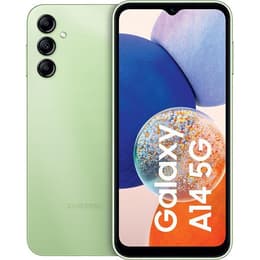
Galaxy A14 5G
Galaxy A14 5G
Starting at

Refurbished price:102.00

Versus €289.00 new

See options
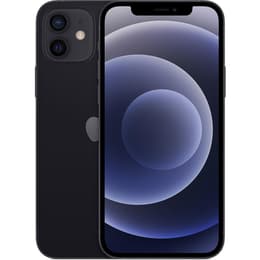
iPhone 12
iPhone 12
Starting at

Refurbished price:174.00

Versus €829.00 new

See options

Ratings

The Samsung Galaxy A14 5G (released January 2023) and the Apple iPhone 12 (released October 2020) are smartphones from different ecosystems, offering distinct user experiences. While the Galaxy A14 5G runs on Android with Samsung's One UI, the iPhone 12 operates on Apple's iOS. Key differentiators include their display technology, camera capabilities, and overall performance profiles, catering to varying user priorities.

Scores

Durability

The practical lifespan of a smartphone is influenced by its release date, software support, and physical durability.

  • Release Timeline: The iPhone 12, launched in October 2020, has been on the market longer than the Galaxy A14 5G, which debuted in January 2023. This difference in release year impacts their respective software support windows.
  • Software Longevity: The iPhone 12 typically receives iOS updates for approximately 5-6 years from its release, offering a long period of software relevance. The Galaxy A14 5G is expected to receive two major Android version updates and four years of security updates from its launch, providing a solid, though generally shorter, support cycle compared to the iPhone 12. [33]
  • Repairability and Durability: The Galaxy A14 5G has a notable repairability score of 8 out of 10, partly due to its user-friendly design that includes an adhesive pull tab for easier battery replacement. [11, 18, 24, 39] In contrast, the iPhone 12 received a repairability score of 6 out of 10, with some parts requiring proprietary software for full functionality after replacement. [4, 9, 23] The iPhone 12 features a Ceramic Shield front cover and an IP68 rating for water and dust resistance, contributing to its physical resilience. [17, 29] The Galaxy A14 5G does not carry an official IP rating. [21]

Year of Release

2023

2020

Compatible with latest Update

Yes

Yes

OS

Android

iOS

Foldable

No

No

Performance

Performance in smartphones is a blend of processing power, battery endurance, and system responsiveness, all contributing to the user's daily interaction.

  • Processing Capabilities: The iPhone 12, with its advanced internal processor, delivers a highly fluid and responsive experience, handling demanding applications and multitasking with ease. [29] The Galaxy A14 5G provides solid performance for everyday tasks, though some users have noted occasional lags and stutters with animations or when opening and closing apps. [19]
  • Battery Behavior: The Galaxy A14 5G is equipped with a larger 5000mAh battery, often providing up to two days of use for moderate users and around 8 hours of screen-on time. [19, 21] The iPhone 12 has a 2815mAh battery, which, while optimized for efficiency, offers average battery life, particularly when utilizing 5G connectivity. [15, 29, 35]
  • Storage and Responsiveness: Both devices offer various internal storage options, with the Galaxy A14 5G also supporting expandable storage via a microSD card, a feature not present on the iPhone 12. [5, 6, 7, 17, 33] The iPhone 12's system responsiveness is consistently smooth, while the Galaxy A14 5G offers a satisfactory experience for its category, though it may not match the iPhone's consistent fluidity.

Memory (GB)

4 GB

4 GB

Screen quality

The display is a primary interface for smartphone interaction, with differences in technology and specifications impacting visual quality and user experience.

  • Display Technology and Clarity: The iPhone 12 features a 6.1-inch Super Retina XDR OLED display, known for its deep blacks, vibrant colors, and high contrast. [3, 20, 28] This results in a sharp and clear viewing experience with a resolution of 2532 x 1170 pixels. [3, 29] The Galaxy A14 5G sports a larger 6.6-inch PLS LCD display with a resolution of 2408 x 1080 pixels, offering good detail and vibrant colors for its class. [1, 2, 6, 19]
  • Brightness and Outdoor Visibility: The iPhone 12's OLED panel can reach up to 625 nits typical brightness and 1200 nits peak brightness for HDR content, ensuring good visibility even in bright outdoor conditions. [17, 28] The Galaxy A14 5G has a peak brightness of around 500-520 nits, which can make it challenging to view in direct sunlight. [1, 22]
  • Refresh Rate and Smoothness: The Galaxy A14 5G offers a 90Hz refresh rate, providing a smoother scrolling experience compared to the iPhone 12's standard 60Hz refresh rate. [1, 2, 8, 21, 22] While the iPhone 12's 60Hz OLED panel is well-optimized for fluid animations, the higher refresh rate on the A14 5G can offer a perceptibly smoother feel during navigation. [31]

Resolution

1080 x 2408

1170 x 2532

Screen type

PLS LCD

Super Retina XDR OLED

Audiovisual

Camera systems are crucial for capturing moments, and both devices offer distinct approaches to photography and videography.

  • Rear Camera Capabilities: The iPhone 12 features a dual 12MP camera system, including a wide and an ultrawide lens, both benefiting from improved low-light performance and Night Mode across all cameras. [17, 27, 29, 30] It excels in capturing sharp images with good color accuracy and dynamic range. [13, 25] The Galaxy A14 5G comes with a triple camera setup, featuring a 50MP main sensor, a 2MP macro lens, and a 2MP depth sensor. [1, 2, 6, 19] It performs well in good lighting conditions, producing detailed and vibrant photos, but lacks an ultrawide lens. [2, 19, 22]
  • Low-Light and Portrait Photography: The iPhone 12 demonstrates strong low-light performance, capturing more detail and less noise in challenging conditions, and offers effective portrait mode with good edge detection. [13, 14, 25, 27] The Galaxy A14 5G's main camera can take decent night-time shots, with Night Mode improving results, but it generally struggles more in very dark environments compared to the iPhone 12. [19, 34] Its portrait mode also provides good edge detection. [19]
  • Video Recording and Audio: The iPhone 12 supports 4K video recording at up to 60 frames per second and can record Dolby Vision HDR video, offering high-quality video capture. [17, 27] The Galaxy A14 5G records video at 1080p at 30 frames per second from both its rear and front cameras, without optical image stabilization. [1, 19, 34] For audio, the iPhone 12 provides a more robust stereo speaker experience, while the Galaxy A14 5G features a single, mono audio speaker. [21]

Main camera

50 megapixels

12 megapixels

Front camera

13 megapixels

12 megapixels

Miscellaneous

Beyond core features, several practical elements contribute to the overall usability and daily convenience of a smartphone.

  • Connectivity and Ports: Both devices support 5G connectivity, enabling faster mobile data speeds. [17, 21, 33] The iPhone 12 uses Apple's proprietary Lightning port for charging and data transfer, while the Galaxy A14 5G features a more universal USB-C port. [5, 12, 17, 21] The Galaxy A14 5G also includes a 3.5mm headphone jack, which is absent on the iPhone 12. [6, 21, 33]
  • Biometric Security: The iPhone 12 relies on Face ID for secure facial recognition. The Galaxy A14 5G incorporates a side-mounted fingerprint sensor for biometric authentication. [2, 33]
  • Build Materials and Handling: The iPhone 12 features an aluminum frame and a Ceramic Shield front, contributing to a premium feel and enhanced drop protection. [17, 29] It is also lighter and thinner, measuring 146.7 x 71.5 x 7.4mm and weighing 162g. [17, 29] The Galaxy A14 5G has a plastic back and frame, measuring 167.7 x 78 x 9.1mm and weighing around 202-204g, making it a larger and heavier device. [1, 6, 19, 21]
  • Additional Features: The Galaxy A14 5G offers expandable storage via a microSD card slot, a feature not available on the iPhone 12. [6, 33] Both devices support NFC for mobile payments. [6, 21]

Weight

201 g

164 g

Screen size (in)

6.6

6.1

Network

5G

5G

SIM card

Dual Physical SIM

Physical SIM + eSIM

Carrier compatibility

Unlocked

Unlocked

Connector

USB-C + Jack 3.5mm

Lightning

The Samsung Galaxy A14 5G and iPhone 12 cater to different user expectations and budgets, each with its own set of strengths and considerations. Users often praise the iPhone 12 for its premium design, vibrant OLED display, consistently strong performance, and high-quality camera system, particularly for video recording and low-light photography. [20, 27, 29, 31] However, common criticisms include its 60Hz display, average battery life when using 5G, and the absence of a headphone jack or expandable storage. [15, 20, 27]

The Galaxy A14 5G is frequently lauded for its impressive battery life, large and sharp display for its category, and the inclusion of a 3.5mm headphone jack and expandable storage. [19, 21, 33] On the other hand, some users note its performance can be less fluid than higher-end devices, the screen can be dim in bright sunlight, and it lacks an ultrawide camera. [1, 2, 19, 22]

Users prioritizing a highly fluid user interface, advanced camera features, and a compact, premium build might find the iPhone 12 well-suited to their needs. Conversely, individuals who value extended battery life, a larger screen, expandable storage, and a headphone jack, and who perform less demanding tasks, may lean towards the Galaxy A14 5G. Both devices are available as quality-assured refurbished options, providing an eco-friendly alternative for consumers seeking reliable technology.


See all articles

Our recent comparisons