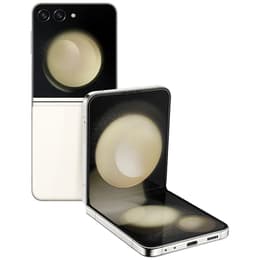



Galaxy Z Flip5 Vs Google Pixel 7

Galaxy Z Flip5
Galaxy Z Flip5
Starting at

Refurbished price:357.00

Versus €1,340.00 new

See options
Google Pixel 7
Google Pixel 7
Starting at

Refurbished price:160.00

Versus €756.00 new

See options

Ratings

The Samsung Galaxy Z Flip5 (2023) and the Google Pixel 7 (2022) represent distinct approaches to modern smartphone design and functionality. While the Z Flip5 offers a unique foldable form factor that prioritizes portability, the Pixel 7 delivers a traditional smartphone experience with a strong emphasis on camera performance and software integration. Both devices run on the Android operating system, but they cater to different user preferences through their core design and feature sets.

Scores

Durability

When considering the long-term usability of these devices, several factors come into play, including their release timelines, software support, and physical resilience.

  • Release Timeline and Software Support: The Galaxy Z Flip5, released in August 2023, benefits from a slightly newer launch date compared to the Pixel 7, which debuted in October 2022. This difference means the Z Flip5 is expected to receive software updates for a longer period, with Samsung promising updates until 2027. The Pixel 7, while still receiving regular updates, will likely see its official software support conclude sooner due to its earlier release.
  • Physical Durability: The Pixel 7 features a traditional slab design with Gorilla Glass Victus on the front and back, offering a robust build and IP68 water and dust resistance. The Galaxy Z Flip5, as a foldable device, introduces a hinge mechanism and a flexible inner display. While it boasts IPX8 water resistance, it is not officially dustproof, and the inner foldable screen requires more careful handling than a traditional glass display. The Z Flip5 does feature a gapless design when folded, which contributes to its overall solid construction.
  • Expected Practical Lifespan: Both phones are built to last, but their form factors influence their practical longevity. The Pixel 7's conventional design may offer a more straightforward long-term experience for users who prefer a solid, non-moving display. The Z Flip5's foldable nature, while innovative, introduces additional mechanical components that users might consider when evaluating its lifespan, though Samsung has refined its hinge design for improved durability.

Year of Release

2023

2022

Compatible with latest Update

Yes

Yes

OS

Android

Android

Foldable

Yes

No

Performance

The performance of a smartphone is crucial for daily tasks, app responsiveness, and overall user experience. Both the Galaxy Z Flip5 and the Pixel 7 offer capable performance, though they are powered by different internal components.

  • Processor Capabilities: The Galaxy Z Flip5 is equipped with a current-generation processor designed for high-end performance, allowing it to handle demanding applications and multitasking with ease. The Pixel 7 features Google's custom-designed processor, which is optimized for the device's software and AI features, ensuring smooth operation for everyday use and efficient handling of computational photography tasks.
  • Multitasking and Responsiveness: Both devices come with 8GB of RAM, providing sufficient memory for running multiple applications simultaneously and switching between them fluidly. Users of both phones generally report a responsive and fluid interface, with apps loading quickly and navigation feeling smooth. The Z Flip5's processor, being a slightly newer generation, may offer a marginal edge in raw processing power for the most intensive tasks, while the Pixel 7's integrated hardware and software optimization ensure a consistently smooth experience.
  • Battery Behavior: The Galaxy Z Flip5 houses a 3700 mAh battery, which, combined with its efficient processor, can provide around a full day of moderate use. Heavy users may find themselves needing to recharge before the end of the day. The Pixel 7 has a larger 4355 mAh battery, and users often report it lasting beyond 24 hours with typical usage, with some achieving 6-8 hours of screen-on time. Both support fast wired and wireless charging, with the Pixel 7 also offering reverse wireless charging.

Memory (GB)

8 GB

8 GB

Screen quality

The display is a primary interaction point for any smartphone, and both the Galaxy Z Flip5 and the Pixel 7 offer distinct visual experiences.

  • Display Technology and Clarity: The Galaxy Z Flip5 features a 6.7-inch Foldable Dynamic AMOLED 2X main display, offering vibrant colors, deep blacks, and excellent contrast. Its resolution is FHD+ (1080 x 2640 pixels), providing a sharp viewing experience for everyday content. The Pixel 7 comes with a 6.3-inch OLED display with FHD+ resolution (2400 x 1080 pixels), also delivering clear and colorful visuals.
  • Refresh Rate and Brightness: The Z Flip5's main display boasts a 120Hz refresh rate, contributing to smoother scrolling and more fluid animations. It can reach a peak brightness of 1750 nits, ensuring good visibility even in bright outdoor conditions. The Pixel 7 has a 90Hz refresh rate, which provides a smooth experience for most users, though it is not as fluid as a 120Hz panel. Its brightness levels are also sufficient for outdoor use.
  • Unique Display Features: A key differentiator for the Z Flip5 is its 3.4-inch Super AMOLED cover display, which is significantly larger than its predecessor's. This external screen allows users to view notifications, widgets, and even run some applications without unfolding the phone, enhancing convenience and quick interactions. The Pixel 7, with its traditional design, offers a single, uninterrupted display.

Resolution

1080 x 2640

1080 x 2400

Screen type

Foldable Dynamic AMOLED 2X

AMOLED

Audiovisual

Both the Galaxy Z Flip5 and the Google Pixel 7 are capable photography tools, but they approach imaging with different strengths and hardware configurations.

  • Rear Camera Systems: The Galaxy Z Flip5 features a dual-camera setup on the rear, consisting of a 12MP wide-angle lens with optical image stabilization (OIS) and a 12MP ultrawide lens. It excels in good lighting conditions, producing images with bold colors and good dynamic range. The Pixel 7 also has a dual-camera system, featuring a 50MP wide-angle main sensor with OIS and a 12MP ultrawide lens. The Pixel 7 is widely praised for its exceptional computational photography, delivering detailed and natural-looking photos across various lighting scenarios, particularly in low light with its Night Sight feature.
  • Photography Performance: The Pixel 7's strength lies in its consistent image quality and advanced software processing, making it a reliable choice for capturing moments without extensive manual adjustments. While the Z Flip5 takes good photos, especially with its main sensor, some users note that its ultrawide camera can show distortion or lack detail in challenging conditions, and it lacks a dedicated telephoto lens. The Z Flip5's foldable design allows for unique shooting angles, including using the main cameras for high-quality selfies via the cover screen.
  • Video and Audio: Both phones are capable of recording video at 4K resolution at up to 60 frames per second. The Pixel 7 is noted for its strong video stabilization and good audio recording quality. The Z Flip5 also offers respectable video quality, with good stabilization, though low-light video can be a challenge. Both devices feature stereo speakers, providing a good audio experience for media consumption.

Main camera

12 megapixels

50 megapixels

Front camera

10 megapixels

10.8 megapixels

Miscellaneous

Beyond the core features, several practical elements contribute to the overall user experience of these smartphones.

  • Connectivity and Ports: Both the Galaxy Z Flip5 and the Pixel 7 support 5G connectivity, ensuring fast mobile data speeds. The Z Flip5 supports Wi-Fi 6 and Bluetooth 5.3, while the Pixel 7 supports Wi-Fi 6E and Bluetooth 5.2. Both devices utilize a USB-C port for charging and data transfer and neither includes a 3.5mm headphone jack.
  • Biometric Security: The Galaxy Z Flip5 features a side-mounted fingerprint sensor for secure unlocking. The Pixel 7 offers an under-display optical fingerprint scanner and also includes face unlock for convenient access.
  • Design and Handling: The Z Flip5's defining characteristic is its foldable design, allowing it to become significantly more compact when closed, making it highly portable and easy to fit into smaller pockets or bags. When unfolded, it presents a standard smartphone size. It weighs 187g. The Pixel 7 is a traditional slab phone, weighing 197g, and its dimensions are 155.6 x 73.2 x 8.7 mm. Its flat display and overall form factor are familiar to users accustomed to non-foldable smartphones.
  • Build Materials: The Z Flip5 features a glass and metal construction, contributing to a premium feel. The Pixel 7 also uses Gorilla Glass Victus for its front and back panels, with an aluminum frame, providing a durable and quality build.

Weight

187 g

197 g

Screen size (in)

6.7 /3.4

6.3

Network

5G

5G

SIM card

Physical SIM + eSIM

Physical SIM + eSIM

Carrier compatibility

Unlocked

Unlocked

The Samsung Galaxy Z Flip5 and the Google Pixel 7 cater to different user priorities, each excelling in its own right. User sentiment often highlights the Z Flip5's innovative foldable design and its enhanced cover screen as major draws, offering a unique blend of portability and functionality. Its ability to stand on its own for hands-free use and its quality main camera for selfies are frequently praised. However, some users express a desire for a telephoto lens and note that its battery life, while improved, might not match that of larger, non-foldable devices for heavy usage.

The Google Pixel 7 consistently receives high marks for its exceptional camera system, particularly its computational photography capabilities and low-light performance, making it a favorite among those who prioritize photography. Users also appreciate its clean Android experience, timely software updates, and smooth overall performance. Common criticisms sometimes revolve around its battery life not always being class-leading for heavy users, and the absence of a dedicated telephoto or macro lens.

Users prioritizing a compact, stylish device with a unique form factor and a versatile cover screen for quick interactions may prefer the Galaxy Z Flip5. Its foldable nature makes it an excellent choice for those seeking maximum portability without sacrificing a large main display. Conversely, users who value a traditional smartphone experience with a top-tier camera, consistent software performance, and a focus on AI-driven features will likely find the Google Pixel 7 to be a more suitable option. Both devices offer a quality experience, and choosing between them often comes down to whether the innovative foldable design or the refined traditional smartphone experience aligns better with individual needs. For those considering either device, exploring quality-assured refurbished options can provide an eco-friendly alternative.

See all articles

Our recent comparisons