

Galaxy Z Flip3 5G Vs iPhone 12

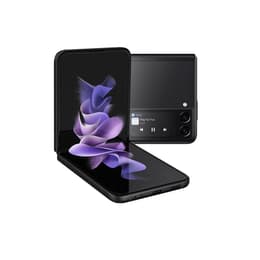
Galaxy Z Flip3 5G
Galaxy Z Flip3 5G
Starting at

Refurbished price:154.00

Versus €999.00 new

See options
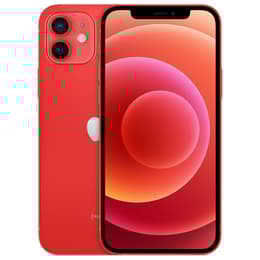
iPhone 12
iPhone 12
Starting at

Refurbished price:174.00

Versus €829.00 new

See options

Ratings

The Samsung Galaxy Z Flip3 5G, released in August 2021, and the Apple iPhone 12, launched in October 2020, represent distinct approaches to smartphone design and functionality. While both offer modern smartphone experiences, the Z Flip3 5G stands out with its unique foldable form factor and Android operating system, contrasting with the iPhone 12's traditional slate design and iOS platform. These core differences lead to varied user experiences in terms of portability, display interaction, and software ecosystem.

Scores

Durability

When considering the practical lifespan of these devices, several factors come into play, including their release timelines, software support, and physical resilience.

  • Release Timeline and Software Support: The iPhone 12, released in late 2020, typically receives major iOS updates for approximately five to seven years from its launch, with security updates potentially extending longer. This suggests software support could continue until around 2027-2030. The Galaxy Z Flip3 5G, launched in mid-2021, generally receives Android OS updates for a shorter period, typically around four to five years, with security updates extending further. This means the iPhone 12 may offer a slightly longer period of major software updates.
  • Physical Durability: The iPhone 12 features a Ceramic Shield front cover and an IP68 rating for water and dust resistance, allowing submersion up to 6 meters for 30 minutes. The Galaxy Z Flip3 5G boasts an IPX8 water resistance rating, protecting against submersion up to 1.5 meters for 30 minutes, and uses Gorilla Glass Victus on its exterior, along with an Armor Frame for enhanced structural integrity. However, it lacks official dust resistance, which is a consideration for its folding mechanism.
  • Repairability: The iPhone 12 received an iFixit repairability score of 6 out of 10, indicating that many parts are replaceable, though some repairs may require proprietary tools or software for full functionality. Information on the specific repairability score for the Galaxy Z Flip3 5G is less standardized, but the folding screen design can present unique challenges for repairs compared to traditional smartphones.

Year of Release

2021

2020

Compatible with latest Update

Yes

Yes

OS

Android

iOS

Foldable

Yes

No

Performance

Both devices offer robust performance for daily tasks, but their underlying architectures and user experiences differ.

  • Processing Power and Responsiveness: The iPhone 12 is equipped with a powerful processor designed for efficient handling of demanding applications, smooth multitasking, and responsive gaming. The Galaxy Z Flip3 5G features a high-end processor that also delivers strong performance for complex apps and multitasking, ensuring a fluid user experience. Both devices are capable of running current applications and games without significant slowdowns.
  • Battery Behavior: The iPhone 12's battery capacity provides average endurance, with usage patterns, particularly 5G connectivity, influencing how long it lasts through a day. Users often report needing to manage 5G usage to extend battery life. The Galaxy Z Flip3 5G, with its smaller battery capacity, is frequently noted by users to require more frequent charging, especially with heavy use or when utilizing its 120Hz display refresh rate.
  • Storage and Multitasking: The iPhone 12 is available with 64GB, 128GB, or 256GB of internal storage and 4GB of RAM, which supports efficient app switching and background processes within the iOS ecosystem. The Galaxy Z Flip3 5G offers 128GB or 256GB storage options and comes with 8GB of RAM, providing ample space for files and robust capabilities for running multiple applications simultaneously on its Android platform.

Memory (GB)

8 GB

4 GB

Screen quality

The display experience is a key differentiator, with the Z Flip3 5G offering a unique foldable design and the iPhone 12 providing a traditional, high-quality flat screen.

  • Display Technology and Clarity: The iPhone 12 features a 6.1-inch Super Retina XDR OLED display, known for its deep blacks, vibrant colors, and sharp 2532 x 1170 pixel resolution (460 ppi). The Galaxy Z Flip3 5G's main screen is a 6.7-inch Foldable Dynamic AMOLED 2X display with a 2640 x 1080 pixel resolution (FHD+), also delivering rich colors and good clarity. The Z Flip3 5G also includes a 1.9-inch Super AMOLED cover display for quick notifications and interactions when folded.
  • Brightness and Refresh Rate: Both devices offer high peak brightness levels, with the iPhone 12 reaching up to 1200 nits for HDR content and the Z Flip3 5G also achieving up to 1200 nits. The iPhone 12 has a standard 60Hz refresh rate, providing a smooth but conventional scrolling experience. The Galaxy Z Flip3 5G features an adaptive 120Hz refresh rate on its main display, which contributes to a noticeably smoother visual experience, particularly during scrolling and gaming.
  • Screen Size and Viewing Experience: The iPhone 12's 6.1-inch display offers a comfortable viewing area for most content. The Galaxy Z Flip3 5G's larger 6.7-inch main display provides an expansive viewing experience when unfolded, suitable for media consumption and multitasking. Its foldable nature allows it to become significantly more compact when closed, enhancing portability.

Resolution

1080 x 2640

1170 x 2532

Screen type

Foldable Dynamic AMOLED 2X

Super Retina XDR OLED

Audiovisual

Both smartphones provide capable camera systems for capturing photos and videos, with some differences in their configurations and performance characteristics.

  • Camera System Configuration: The iPhone 12 features a dual 12MP rear camera system, comprising a wide-angle lens with optical image stabilization (OIS) and an ultra-wide-angle lens. The Galaxy Z Flip3 5G also has a dual 12MP rear camera setup, including a wide-angle lens with OIS and an ultra-wide-angle lens. Neither device includes a dedicated telephoto lens.
  • Photography Performance: The iPhone 12's camera system is known for its consistent image quality, good detail, and effective low-light performance, particularly with its Night Mode. The Galaxy Z Flip3 5G's cameras produce good photos with balanced colors in daylight, and its low-light performance is considered acceptable, though some users note it may not match the best in its class. The Z Flip3 5G also allows for using the main cameras for selfies when folded, utilizing the cover screen as a viewfinder.
  • Video Recording and Front Camera: Both devices support 4K video recording at various frame rates. The iPhone 12 offers HDR video recording with Dolby Vision. The Galaxy Z Flip3 5G records 4K video and includes features like HDR10+. For front-facing cameras, the iPhone 12 has a 12MP sensor, while the Galaxy Z Flip3 5G features a 10MP sensor. Both are capable of capturing detailed selfies and supporting video calls.

Main camera

12 megapixels

12 megapixels

Front camera

10 megapixels

12 megapixels

Miscellaneous

Beyond the core features, several practical elements contribute to the overall user experience of each device.

  • Connectivity and Ports: Both the Galaxy Z Flip3 5G and the iPhone 12 support 5G connectivity for faster mobile data speeds, along with Wi-Fi 6 for improved wireless networking. The Z Flip3 5G uses a USB-C port for charging and data transfer, while the iPhone 12 utilizes Apple's proprietary Lightning port. Neither device includes a 3.5mm headphone jack.
  • Biometric Security: The iPhone 12 relies on Face ID for secure facial recognition. The Galaxy Z Flip3 5G incorporates a side-mounted fingerprint sensor for biometric authentication, alongside 2D face recognition.
  • Design and Handling: The iPhone 12 features a flat-edged design with dimensions of 146.7 x 71.5 x 7.4 mm and a weight of 164g, offering a comfortable grip for many users. The Galaxy Z Flip3 5G's defining characteristic is its foldable design; when unfolded, it measures 166 x 72.2 x 6.9 mm and weighs 183g. When folded, its compact size (72.2 x 86.4 x 17.1~15.9 mm) makes it highly portable and easy to fit into smaller pockets.
  • Build Materials: The iPhone 12 combines an aluminum frame with a Ceramic Shield front and glass back. The Galaxy Z Flip3 5G uses an Armor Aluminum frame and Gorilla Glass Victus for its exterior, with its foldable screen protected by a flexible glass layer.

Weight

183 g

164 g

Screen size (in)

6.7

6.1

Network

5G

5G

SIM card

Physical SIM + eSIM

Physical SIM + eSIM

Carrier compatibility

Unlocked

Unlocked

The Samsung Galaxy Z Flip3 5G and the iPhone 12 cater to different user preferences, each excelling in distinct areas. User feedback for the Galaxy Z Flip3 5G often praises its innovative foldable design, which offers a large screen experience in a compact form factor, and its vibrant 120Hz main display. The ability to use the cover screen for quick interactions and the main cameras for high-quality selfies are also frequently highlighted as positive aspects. However, common criticisms revolve around its battery life, which many users find to be less than a full day with typical usage, and the durability concerns associated with a folding screen, particularly regarding dust ingress.

For the iPhone 12, users generally appreciate its consistent performance, reliable camera system with strong low-light capabilities, and the long-term software support provided by Apple. Its durable Ceramic Shield front and IP68 water resistance are also often cited as benefits. Some users, however, note that its battery life can be average, especially when utilizing 5G connectivity, and that the 60Hz display refresh rate feels less fluid compared to devices with higher refresh rates.

Users prioritizing a unique, highly portable design with a large, smooth display for media and multitasking may find the Galaxy Z Flip3 5G well-suited to their needs, provided they are comfortable with more frequent charging. Conversely, individuals who value consistent performance, a robust camera for everyday photography, and extended software longevity in a traditional smartphone form factor will likely lean towards the iPhone 12. Both devices offer compelling features, and for those looking for an eco-friendly and quality-assured alternative, refurbished options provide a sustainable choice for either model.


See all articles

Our recent comparisons