

Galaxy Z Flip3 5G Vs Huawei P30 Pro

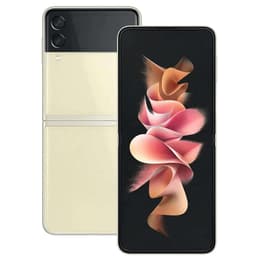
Galaxy Z Flip3 5G
Galaxy Z Flip3 5G
Starting at

Refurbished price:290.88

Versus €1,299.00 new

See options
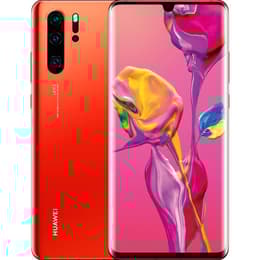
Huawei P30 Pro
Huawei P30 Pro
Starting at

Refurbished price:186.00

Versus €849.00 new

See options

Ratings

The Samsung Galaxy Z Flip3 5G, released in August 2021, and the Huawei P30 Pro, launched in March 2019, represent distinct approaches to smartphone design and functionality. The Z Flip3 introduces a foldable form factor, offering a compact experience when closed, while the P30 Pro is a traditional slab phone renowned for its advanced camera system. Both devices run on the Android operating system, though their software experiences and update trajectories differ significantly due to their release timelines and manufacturer policies.

Scores

Durability

The longevity of a smartphone is influenced by its physical durability and ongoing software support. These two devices, separated by over two years in their release, present different expectations in this regard.

  • Release Timeline: The Huawei P30 Pro, released in March 2019, is an older device compared to the Samsung Galaxy Z Flip3 5G, which launched in August 2021. This age difference directly impacts their remaining software support and potential lifespan.
  • Software Support: The Galaxy Z Flip3 5G launched with Android 11 and was promised four major Android updates, receiving its final update as Android 15-based One UI 7 earlier in 2025. It will no longer receive regular software or security updates as of September 2025. The Huawei P30 Pro, initially on Android 9, received updates up to EMUI 12 globally, which is based on Android 11. While Chinese models received HarmonyOS updates, global models have seen less consistent major OS upgrades, though security patches were still being issued as of June 2023.
  • Physical Durability: The Z Flip3 5G features an IPX8 water resistance rating, meaning it can withstand submersion in water, but lacks official dust resistance. Its foldable display, while innovative, introduces a crease and a screen protector that some users report needing replacement over time. The P30 Pro carries an IP68 rating for both dust and water resistance, offering robust protection against environmental elements.

Year of Release

2021

2019

Compatible with latest Update

Yes

No

OS

Android

Android

Foldable

Yes

No

Performance

Performance in smartphones is crucial for smooth daily operation, from app usage to demanding tasks like gaming. Both devices offered strong performance at their respective times of release, but their capabilities reflect different generations of hardware.

  • Processing Power: The Galaxy Z Flip3 5G is equipped with a processor that handles demanding applications and multitasking smoothly, providing a responsive user experience. The Huawei P30 Pro, while powerful for its release year, features an older generation processor that still offers snappy and smooth performance for everyday tasks and gaming.
  • Multitasking and Responsiveness: The Z Flip3 5G, with 8GB of RAM, is well-suited for extensive multitasking and quickly switching between applications without noticeable slowdowns. The P30 Pro typically comes with 6GB or 8GB of RAM, allowing for efficient handling of multiple applications simultaneously, though the older processor might show limitations with the most intensive modern applications.
  • Battery Behavior: The Galaxy Z Flip3 5G has a 3300 mAh battery, which some users report as providing average battery life, often requiring a charge before the end of a full day with moderate to heavy use. The Huawei P30 Pro, with its larger 4200 mAh battery, is noted for its excellent battery life, often lasting through a full day of heavy usage and potentially up to two days with conservative use.

Memory (GB)

8 GB

8 GB

Screen quality

The display is a primary interface for smartphone interaction, and these two models offer distinct visual experiences, particularly concerning their form factor and display technology.

  • Display Technology and Clarity: The Galaxy Z Flip3 5G features a 6.7-inch Foldable Dynamic AMOLED 2X main display, offering vibrant colors, deep blacks, and a high resolution of 1080x2640 pixels. The Huawei P30 Pro has a 6.47-inch OLED display with a resolution of 1080 x 2340 pixels, also providing rich colors and good clarity.
  • Refresh Rate and Smoothness: The Z Flip3 5G's main display boasts a 120Hz refresh rate, contributing to smoother scrolling and a more fluid visual experience. The P30 Pro features a standard 60Hz refresh rate, which is still smooth for general use but does not offer the same level of fluidity as higher refresh rate displays.
  • Unique Display Features: A key differentiator for the Z Flip3 5G is its secondary 1.9-inch Super AMOLED cover display, which allows users to view notifications, control media, and take selfies without unfolding the phone. The P30 Pro offers a traditional, non-folding display experience.

Resolution

1080 x 2640

1080 x 2340

Screen type

Foldable Dynamic AMOLED 2X

OLED

Audiovisual

Camera capabilities are a significant factor for many users, and both devices offer distinct strengths in their photographic and videographic performance.

  • Rear Camera Systems: The Huawei P30 Pro was highly acclaimed for its Leica Quad Camera system, featuring a 40 MP main sensor, a 20 MP ultrawide, and an 8 MP periscope telephoto lens capable of 5x optical zoom. It was particularly noted for its exceptional low-light performance and zoom capabilities. The Galaxy Z Flip3 5G includes a dual-camera setup with a 12 MP wide-angle and a 12 MP ultrawide lens. While capable of producing good photos in adequate lighting, it does not include a dedicated telephoto lens and its overall camera performance is considered solid but not class-leading compared to other flagships of its time.
  • Low-Light and Zoom: The P30 Pro excels in low-light conditions, capturing significant detail and color where other phones struggle, and its 5x optical zoom provides considerable versatility. The Z Flip3 5G offers a night mode, which improves low-light shots, but its performance in very dim conditions and its digital zoom capabilities are more limited.
  • Front Camera and Video: The P30 Pro features a 32 MP front camera, capable of capturing detailed selfies. The Z Flip3 5G has a 10 MP front camera, which performs well, especially in low light. A unique feature of the Z Flip3 is the ability to use its main rear cameras for high-quality selfies, utilizing the cover screen as a viewfinder. Both phones are capable of 4K video recording.

Main camera

12 megapixels

40 megapixels

Front camera

10 megapixels

32 megapixels

Miscellaneous

Beyond core features, several practical elements contribute to the overall user experience, including connectivity, physical design, and additional functionalities.

  • Connectivity and Ports: Both devices support 5G connectivity, offering fast mobile data speeds where available. The Galaxy Z Flip3 5G uses a USB-C port for charging and data transfer. The Huawei P30 Pro also features a USB-C port. Neither device includes a traditional 3.5mm headphone jack.
  • Biometric Security: The Z Flip3 5G integrates a fingerprint sensor into its side power button for convenient unlocking. The P30 Pro features an in-display fingerprint sensor, which was noted for its speed at the time of its release.
  • Design and Handling: The Z Flip3 5G's defining characteristic is its foldable design, allowing it to become significantly more compact when closed, enhancing portability. It weighs 183 grams. The P30 Pro is a traditional smartphone with a glass and aluminum build, weighing 192 grams. Its curved edges contribute to a comfortable in-hand feel.

Weight

183 g

192 g

Screen size (in)

6.7

6.47

Network

5G

4G

SIM card

Physical SIM + eSIM

Dual Physical SIM

Carrier compatibility

Unlocked

Unlocked

The Samsung Galaxy Z Flip3 5G and the Huawei P30 Pro cater to different user preferences, largely due to their distinct form factors and release eras. User sentiment for the Z Flip3 often praises its unique foldable design, which makes it a conversation starter and highly portable. Many appreciate the ability to use the main cameras for selfies via the cover screen and the overall smooth performance. However, common criticisms revolve around its battery life, which some users find insufficient for a full day of heavy use, and the camera system, while good, is not considered top-tier compared to other flagships.

The Huawei P30 Pro, on the other hand, is frequently lauded for its exceptional camera capabilities, particularly its low-light performance and impressive optical zoom. Users also consistently highlight its long-lasting battery life as a major advantage. Its performance was considered flagship-grade at launch, and many users still find it capable for daily tasks. Criticisms, while fewer, sometimes mention the lack of stereo speakers and the fixed-focus selfie camera.

Users prioritizing a compact, stylish device with a modern, high-refresh-rate display and the novelty of a foldable design may prefer the Galaxy Z Flip3 5G. Its unique form factor offers a different way to interact with a smartphone. Conversely, users who prioritize an outstanding camera system, especially for zoom and low-light photography, and require extended battery life from a traditional smartphone, may find the Huawei P30 Pro better suited to their needs. Both devices, particularly the P30 Pro due to its age, are available as quality-assured refurbished options, providing an eco-friendly alternative for those seeking these specific features.


See all articles

Our recent comparisons