

Galaxy Tab S9 Ultra (14.6", 2023) Vs Xiaomi Pad 6 (11.0", 2023)

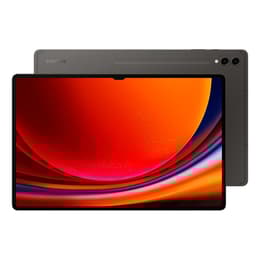
Galaxy Tab S9 Ultra (14.6", 2023)
Starting at

Refurbished price:754.00

Versus €1,800.00 new

See options
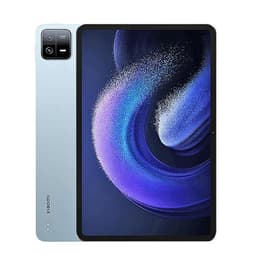
Xiaomi Pad 6 (11.0", 2023)
Starting at

Refurbished price:235.39

Versus €699.00 new

See options

Ratings

The Samsung Galaxy Tab S9 Ultra and the Xiaomi Pad 6, both released in 2023, offer distinct tablet experiences within the Android ecosystem. The Galaxy Tab S9 Ultra positions itself as a large-format device with a premium display and robust performance, while the Xiaomi Pad 6 provides a capable and more compact option. Both run on the Android operating system, though with different custom interfaces, catering to varied user needs and preferences.

Scores

Durability

When considering the long-term usability of these tablets, several factors contribute to their expected lifespan, including software support and physical durability.

  • Software Longevity: The Galaxy Tab S9 Ultra, as a flagship Samsung device, typically receives a longer period of major Android operating system updates and security patches compared to the Xiaomi Pad 6. This extended support means the Tab S9 Ultra is likely to remain current with the latest software features and security enhancements for a longer duration. Users of the Xiaomi Pad 6 have noted concerns regarding the consistency and long-term availability of software updates, particularly with the transition to HyperOS, which some users reported as buggy.
  • Physical Durability: The Galaxy Tab S9 Ultra features an Armor Aluminum frame and boasts an IP68 rating for water and dust resistance, indicating a high level of protection against environmental elements. This makes it more resilient to accidental spills or exposure to dust. The Xiaomi Pad 6, while featuring an aluminum unibody and Gorilla Glass 3 for screen protection, does not carry an official IP rating, though it is considered splash-tolerant.
  • Expected Practical Lifespan: Both tablets are built with quality materials, suggesting a solid physical lifespan. However, the Galaxy Tab S9 Ultra's superior water and dust resistance, combined with Samsung's commitment to longer software support, may offer a slightly extended practical lifespan for users who prioritize these aspects.

Year of Release

2023

2023

Compatible with latest Update

Yes

No

OS

Android

Android

Performance

The performance capabilities of these two tablets cater to different usage intensities, primarily influenced by their internal components and optimization.

  • Processing Power: The Galaxy Tab S9 Ultra is equipped with a current-generation processor designed for demanding tasks, allowing it to handle intensive applications, advanced multitasking, and high-fidelity gaming with ease. Users report smooth operation even when editing 4K video or running multiple applications simultaneously. The Xiaomi Pad 6 features a capable processor that delivers very good performance for everyday use, including gaming and media consumption. It handles most games well, though some highly demanding titles might require adjusted settings for optimal performance.
  • Multitasking and Responsiveness: With higher available RAM configurations, the Galaxy Tab S9 Ultra excels in multitasking, allowing users to run several applications in split-screen or pop-up views without significant slowdowns. Its system responsiveness is consistently fluid. The Xiaomi Pad 6 also offers a smooth user experience for multitasking, with its MIUI for Pad software optimized for features like split-screen and floating windows.
  • Battery Behavior: The Galaxy Tab S9 Ultra houses a large 11,200 mAh battery, providing substantial endurance, with users often reporting 9 to 12 hours of mixed use or 7-10 hours of screen-on time for web browsing and video playback. The Xiaomi Pad 6, with its 8840 mAh battery, also offers good battery life, typically lasting 10-15 hours of mixed use, with some users experiencing multiple days of use on a single charge with lighter usage.

Memory (GB)

12 GB

6 GB

Processor

Qualcomm SM8550-AC Snapdragon 8 Gen 2

Qualcomm SM8250-AC Snapdragon 870 5G

Screen quality

The visual experience on both tablets is a key differentiator, with each employing distinct display technologies and characteristics.

  • Display Technology and Clarity: The Galaxy Tab S9 Ultra features a Dynamic AMOLED 2X display, known for its deep blacks, vibrant colors, and excellent contrast, which enhances the viewing of HDR content. Its resolution of 2960 x 1848 pixels on a 14.6-inch screen provides sharp and detailed visuals. The Xiaomi Pad 6 utilizes an IPS LCD panel with a resolution of 2880 x 1800 pixels on an 11-inch screen, offering clear and crisp images.
  • Brightness and Outdoor Use: The Galaxy Tab S9 Ultra offers high brightness levels, making it suitable for use in various lighting conditions, including outdoors. The Xiaomi Pad 6's display also provides good brightness, with up to 550 nits, which is generally sufficient for indoor and some outdoor viewing.
  • Refresh Rate and Smoothness: Both tablets offer high refresh rates for a fluid visual experience. The Galaxy Tab S9 Ultra has a 120Hz refresh rate, contributing to smooth scrolling and responsive interactions. The Xiaomi Pad 6 goes a step further with a 144Hz refresh rate, providing an exceptionally smooth experience, particularly noticeable during fast-paced content or gaming.
  • Screen Size and Viewing Experience: The Galaxy Tab S9 Ultra's expansive 14.6-inch display offers an immersive viewing experience, ideal for media consumption, professional work, and digital art. The Xiaomi Pad 6, with its 11-inch screen, provides a more portable and manageable form factor, suitable for users who prefer a smaller tablet for reading, browsing, and casual use.

Resolution

1848 x 2960

1800 x 2880

Screen type

Dynamic AMOLED 2X

IPS LCD

Pixel density

240ppp

310ppp

Audiovisual

While tablets are not typically primary photography devices, both the Galaxy Tab S9 Ultra and Xiaomi Pad 6 offer camera systems capable of handling common tasks like video calls and document scanning.

  • Camera System Configuration: The Galaxy Tab S9 Ultra features a more comprehensive camera setup, including dual rear cameras (13MP main and 8MP ultrawide) and dual front cameras (12MP wide and 12MP ultrawide). This dual front camera system is particularly beneficial for video conferencing, offering wider angles. The Xiaomi Pad 6 has a single 13MP rear camera and an 8MP front camera.
  • Photography and Video Quality: In good lighting, the Galaxy Tab S9 Ultra's main rear camera produces detailed photos with balanced colors, and its front cameras deliver sharp images for video calls, capable of 4K 30fps video recording. The Xiaomi Pad 6's rear camera performs acceptably in daylight for casual shots and document scanning, with 4K 30fps video recording. Its front camera is well-suited for video calls, positioned for landscape use, and records at 1080p.
  • Audio for Media and Calls: Both tablets offer good audio experiences. The Galaxy Tab S9 Ultra features quad speakers with Dolby Atmos, providing loud and clear sound with decent bass. The Xiaomi Pad 6 also comes with a quad speaker setup tuned for Dolby Atmos, delivering impressive volume and clear audio for media consumption and calls.

Miscellaneous

Beyond core performance and display, several practical features and design elements distinguish these two tablets.

  • Connectivity and Ports: The Galaxy Tab S9 Ultra supports Wi-Fi 6E and Bluetooth 5.3, offering fast and reliable wireless connections. It includes a USB-C 3.2 port for data transfer and charging. The Xiaomi Pad 6 supports Wi-Fi 6 and Bluetooth 5.2, providing modern wireless capabilities, and features a USB-C port.
  • Biometric Security: The Galaxy Tab S9 Ultra incorporates an under-display fingerprint scanner and face recognition for secure unlocking. The Xiaomi Pad 6, however, does not include a fingerprint sensor, relying primarily on face unlock and traditional PIN/pattern methods.
  • Stylus Support and Accessories: The Galaxy Tab S9 Ultra comes with the S Pen included, which is also IP68 water and dust resistant, enhancing its utility for note-taking and drawing. The Xiaomi Pad 6 supports an optional Xiaomi Smart Pen (2nd Gen) and a magnetic keyboard accessory, transforming it into a versatile tool for productivity.
  • Dimensions and Handling: The Galaxy Tab S9 Ultra is a large device, measuring 326.4 x 208.6 x 5.5 mm and weighing 732g. Its size makes it ideal for desk-based work and immersive media, though some users find it unwieldy for extended handheld use. The Xiaomi Pad 6 is more compact and lighter at 253.9 x 166.2 x 6.5 mm and 490g, making it more comfortable for portable use.

Weight

732 g

490 g

Screen size (in)

14.6

11.0

Network

Wi-Fi

Wi-Fi

Carrier compatibility

Without SIM Port

Without SIM Port

Connector

USB Type-C

USB Type-C

The choice between the Galaxy Tab S9 Ultra and the Xiaomi Pad 6 largely depends on individual priorities and intended use cases. Both tablets, released in 2023, offer compelling Android experiences but cater to different segments of the market.

Users frequently praise the Galaxy Tab S9 Ultra for its expansive and vibrant OLED display, which provides an unparalleled immersive experience for media consumption, digital art, and professional tasks requiring significant screen real estate. Its powerful performance is consistently highlighted for handling demanding applications and extensive multitasking without compromise. The included, water-resistant S Pen and the tablet's overall robust build with an IP68 rating are also strong points for many users. However, some users find its large size to be a drawback for portability and comfortable handheld use, suggesting it's better suited for a desk or propped up.

The Xiaomi Pad 6 receives commendation for its excellent 144Hz LCD display, offering smooth visuals and good clarity, especially considering its more compact form factor. Its capable performance is well-regarded for gaming and general media consumption, providing a fluid user experience. Users appreciate its solid build quality and good battery life. Common criticisms include the absence of a fingerprint sensor and some concerns about the long-term consistency of software updates, with some users reporting issues after updating to HyperOS.

Users prioritizing a large, top-tier display, maximum performance for intensive applications, and a comprehensive feature set including an integrated stylus and high durability, may find the Galaxy Tab S9 Ultra well-suited to their needs. Conversely, users seeking a more portable tablet with a high-refresh-rate screen, strong performance for everyday tasks and gaming, and a generally positive user experience in a more compact design, may lean toward the Xiaomi Pad 6. Both devices are available as quality-assured refurbished options, providing an eco-friendly alternative for consumers.


See all articles

Our recent comparisons